

The most productive hour on the water is not always the one anglers have been taught to trust. As more fishermen crowd the traditional dawn and dusk bite, I am finding that the overlooked windows between them are becoming some of the most reliable times to catch bass.
That shift matters now because fishing pressure has changed the rhythm of many lakes and ponds. Bass are still feeding, still moving, and still vulnerable, but increasingly they are doing it outside the hours that draw the most boats, casts, and noise.
The Conventional Wisdom Is Losing Its Edge
For decades, the standard advice has been almost automatic: get on the water at first light or stay until sunset. Those low-light periods still produce, and they remain central to the culture of bass fishing. The problem is that nearly everyone is operating from the same script.
When large numbers of anglers target the same windows, the fish feel it. Boat traffic increases. Shoreline pressure builds. Familiar lure profiles pass repeatedly through the same productive-looking water. In heavily fished areas, bass adapt. They do not stop feeding, but they often shift how and when they do it.
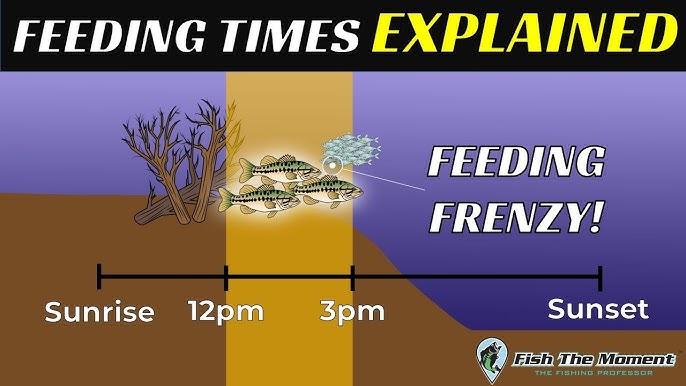
That is why I see bass fishing off-time windows as more than a scheduling adjustment. They represent a tactical response to modern fishing pressure. Late morning, particularly from 9 to 11 a.m., and mid-afternoon, roughly 1 to 3 p.m., can offer a noticeably different environment. The water often settles. The noise declines. The most aggressive early flurry has already passed, and bass begin repositioning in ways many anglers never stay long enough to see.
For readers looking to refine their broader understanding of bass fishing off-time windows, the bigger lesson is simple: fish behavior does not follow tradition nearly as closely as anglers do.
Why Bass Reposition After The Rush
The first thing many anglers miss is that bass are not static. They move in response to light, temperature, pressure, forage, and disturbance. Early in the morning, fish may slide shallow to feed. Once the sun rises higher and boats begin working visible cover, those same fish often pull back, suspend, or settle into adjacent holding areas.
This is where late morning becomes especially interesting. By then, bass have had time to reset after the initial burst of activity. They are no longer reacting to the frenzy of the first casts hitting the water. Instead, they often ease into a more stable pattern. In my experience, that can mean fish setting up along subtle break lines, edges of shade, deeper weed transitions, or secondary cover just outside the obvious target zone.
Mid-afternoon presents a different but equally useful opportunity. By that point, many anglers have already left the water, gone in for lunch, or mentally written off the day. Bass, meanwhile, are not necessarily inactive. Short feeding windows can reopen as conditions stabilize and fish relax. What looks like the quietest part of the day can produce some of the least pressured bites.
Less Pressure Changes Everything
Fishing pressure is not an abstract concept. It changes the way fish react to sound, lure presentation, boat positioning, and repeated casts. During peak hours, especially on popular waters, bass may see the same areas pounded from multiple angles. They become cautious, hesitant, and selective.
Off-time windows reduce that pressure in practical terms. Fewer boats mean less trolling motor noise and fewer shadow passes across shallow water. Fewer casts mean fish are less likely to be irritated or conditioned by repetitive presentations. Even a modest drop in human activity can create a more natural setting, and bass often respond by behaving less defensively.
That does not mean the bite suddenly turns reckless. It means opportunity improves for anglers willing to slow down and fish methodically. In late morning and mid-afternoon, I often think less about covering maximum water and more about reading subtle fish positioning. A bass that ignored a lure at sunrise may commit at 10:15 because the environment around it feels calmer.
The real advantage is not magic timing. It is reduced competition for the fish’s attention.
Comparing Peak Vs Off-Time Fishing Windows
| Factor | Peak Times (Sunrise/Sunset) | Off-Time Windows (9–11 AM, 1–3 PM) |
|---|---|---|
| Fishing Pressure | High | Low |
| Fish Behavior | Aggressive but cautious quickly | Relaxed and repositioning |
| Competition | Many anglers targeting same areas | Minimal competition |
| Bite Duration | Longer but inconsistent | Short but often more reliable |
| Presentation Effectiveness | Common lures less effective | Subtle approaches more effective |
This comparison highlights a key shift: off-time fishing is not about replacing peak hours, but about exploiting conditions when fish are less pressured and more predictable in smaller windows.
The Overlooked Nature Of Short Feeding Bursts
One of the biggest mistakes anglers make is assuming a productive bite must be long, obvious, and easy to identify. Off-time feeding windows are often shorter and quieter than the classic morning flurry. They may last 20 minutes, or even less, but they can be highly productive when an angler is present and dialed in.
This matters because many fishermen leave too soon. They fish the first light bite, fail to get the result they want, and head home before the lake settles into a secondary rhythm. Others arrive in the evening expecting a predictable sunset pattern and miss the midday repositioning entirely.
The better approach is to think in terms of micro-opportunities. Bass may feed again once the shoreline commotion fades. They may turn on as bait shifts locations or as light changes alter a patch of shade. The key is to stay alert for these brief windows rather than waiting for a broad, obvious pattern to announce itself.
A Smarter Way To Think About Timing
I no longer see time of day as a fixed rule. I see it as a pressure-management variable. Sunrise and sunset still matter, but they are no longer the only windows worth building a strategy around. In many waters, especially those that receive steady angling pressure, the smarter play is to fish when others are absent and the fish have room to settle into a more natural cadence.
That requires patience and confidence. It also requires abandoning the idea that midday is automatically dead water. In reality, late morning and mid-afternoon can be productive because they sit outside the crowd’s routine. They give anglers access to fish that are no longer reacting to the chaos of peak hours and are instead feeding in shorter, less contested bursts.
Why This Matters Right Now
Bass fishing is becoming more competitive, not less. More anglers, better electronics, more precise gear, and more shared advice have made the traditional playbook widely accessible. That is exactly why the overlooked windows matter so much right now.
The edge in modern bass fishing often comes from doing something slightly different, not dramatically unconventional. Fishing from 9 to 11 a.m. or 1 to 3 p.m. may sound simple, but simplicity is often where real advantages hide. As pressure continues to redefine fish behavior, the anglers who rethink timing will have a better chance of finding bass that are calmer, less conditioned, and more willing to bite.