

Fall Fishing Techniques are best judged by what the water has done, not by what the calendar says. As a guide, I want anglers and small-club tournament teams to start with measured change: water temperature, wind direction, water color, bait position, and fishing pressure. Fall can reward aggressive decisions, but the better pattern is usually built by checking one clue at a time and refusing to force last week’s bite onto today’s lake, river, creek, or marsh.
Fall Fishing Techniques Start With Temperature
Fall Fishing Techniques After A Five-Degree Drop
On September 24, 2026, Coastal Carolina reports from Cape Fear, Topsail, and Wrightsville Beach noted that even a 5°F drop in water temperature can change fish location, with cooling shallow creeks and flats becoming more productive and fish moving back toward marsh edges and creek mouths after cooler water arrived. That is the kind of change local anglers can act on without pretending every fish in the system moves at once.
The practical lesson is simple: do not treat a cool front as a magic switch. Treat it as a reason to recheck water that may have been too warm, too shallow, or too quiet during late summer. A creek that looked empty before the drop may now have enough comfort and forage movement to be worth a short, disciplined pass.
Use Temperature As A Starting Clue
A thermometer will not catch the fish for you, but it keeps you honest. I like anglers to record the temperature at the ramp, inside the first creek arm, near the mouth, and across one shallow flat. If the numbers show a meaningful difference, the day has already given you a map. These Fall Fishing Techniques work best when the angler compares places instead of making one reading and building the whole day around it.
For tournament practice, that means spreading effort before committing. If a club event is held soon after a cooling trend, a team should check old summer water only long enough to prove whether fish stayed. Then the smarter play is testing transition zones: mouths, edges, flats near deeper water, and places where bait can slide shallow without getting trapped.
Productive Water After The First Cooldown
Creeks, Flats And Mouths
The Coastal Carolina example gives freshwater and inshore anglers the same broader reminder: first-cooldown fish often use access points. Creek mouths, flat edges, and marsh or shoreline seams give fish a way to feed shallow and fall back if conditions change. In a lake setting, that may be the mouth of a pocket. In tidal water, it may be a drain, grass edge, or creek turn. The exact feature changes by region, but the decision process is the same.
I would not burn a full tournament morning on every shallow place that looks good from the console. Pick the areas with a temperature change, visible bait, or clean water edge, then fish them with purpose. A few casts down a bare bank may be enough. A flat with bait dimpling, birds working, or a defined ditch deserves more time.
Weed Edges, Points And Depth Changes
Fall movement is not only shallow. Local anglers often get in trouble by assuming every fish pushes tight to the bank after the first cold night. A better plan is to work from the edge outward. Start where shallow water connects to a point, ditch, channel swing, rock, brush, or remaining grass. If the first hour produces only short strikes or follows, slide slightly deeper before changing the whole pattern.
For anglers who want a related seasonal checklist, our notes on changing fall conditions fit this same decision tree: cool water, oxygen changes, forage shifts, and tournament timing should all affect the first stop of the day.
Tournament Gear Choices Without Guesswork
Sonar As A Check, Not A Crutch
Forward-facing sonar is now part of many tournament discussions, but it should not replace basic water reading. The Associated Press reported that, in a Minnesota lake sample, up to 63% of anglers said they used forward-facing sonar last fall to locate suspended schools of walleyes or other predators, while the same reporting described the wider debate over whether high-tech fishing changes the experience on the water as sonar use increased.
Used well, sonar can confirm whether bait or fish are present. Used poorly, it can turn a good angler into a screen watcher who ignores wind, bank angle, current, and lure speed. In tournaments, the best practice is to set a limit: use electronics to confirm a zone, then make casts that match the cover and fish position. If the screen shows life but the fish will not bite, change angle, depth, or retrieve before assuming the whole area is dead.
Lures That Match The Zone
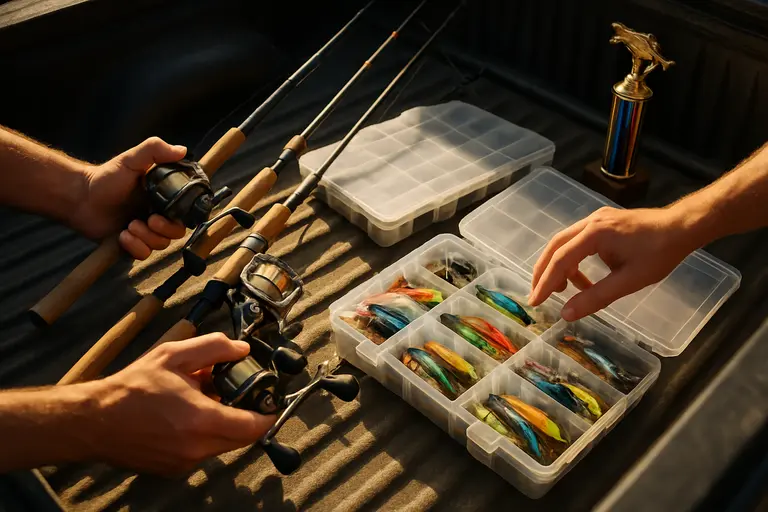
Fall lure selection should follow water position. If fish are using shallow flats after a temperature drop, moving baits can help cover water. If fish are set on edges, jigs, soft plastics, and slower presentations can keep the bait in the strike zone longer. If bait is suspended, mid-depth presentations deserve a fair test before dragging the bottom all day.
- Shallow flats: cover water first, then slow down where bait or bites repeat.
- Creek mouths: fish both the lip and the first inside turn before leaving.
- Edges and points: change casting angle before changing lures.
- Stained water: keep the bait easy to track with vibration, profile, or contrast.
These choices are not tricks. They are ways to avoid guessing. A tournament angler has limited time, and every lure change should answer a question: are the fish shallow, on the edge, suspended, or unwilling to chase?
Local Fall Fishing Techniques For Shared Water
Fish Care And Courtesy
Fall tournaments can bring more boats to the same productive creeks and ramps. That affects more than the scoreboard. Poor ramp manners, crowding on small stretches, and careless fish handling all hit the local fishing community. If an event uses live release, anglers should keep fish wet, limit air exposure, manage livewell conditions, and follow the rules set by the organizer and state agency.
Community impact also reaches local businesses and shared recreation groups. Fishing clubs often depend on sponsors, volunteers, restaurants, lodging, and local outdoor networks; related community sites such as Copeland Hills Golf demonstrate the impact of recreational activities on boosting local economies throughout the year, not just during tournaments.
Pressure Management For Local Anglers
Local anglers should also account for pressure after a publicized bite. If several boats are stacked on the same creek mouth, it may be better to fish a similar feature nearby than to join the line. Tournament ethics are not only about rules. They are about protecting access, reducing conflict, and leaving enough room for non-tournament anglers who use the same water.
The best Fall Fishing Techniques stay flexible. Check temperature changes, test access points, use sonar with restraint, match lures to fish position, and handle fish as if the next club event depends on it. In many local waters, it does.