

The 2026 Redfish Cup Championship was scheduled for November 6-8, 2026, in Port Aransas, Texas, giving the Yamaha Bassmaster event a late-fall stage shaped by wind, tide, shallow structure and team decision-making. As of October 27, 2026, the tournament had not yet been contested, so the most useful preview is not a winner pick. It is an examination of the variables that can be verified before competition begins.
Bassmaster’s event page lists the Port Aransas championship dates and frames the event within its redfish series, including a field structure that brings together all-redfish teams and hybrid teams pairing Bassmaster Elite Series experience with redfish specialists Bassmaster Redfish Cup. That mix matters because tournament redfishing is not simply bass fishing moved to saltwater. The flats, drains, shell, grass and tide windows ask different questions of boat control and bait placement.
Redfish Cup Championship Format And Pressure
Redfish Cup Championship Field Mix
The field described in the research notes included six all-redfish teams and four hybrid teams. That format creates a practical contrast. Redfish specialists tend to bring local-style reading of wakes, bait, drains and pressured flats. Bassmaster Elite anglers bring tournament search discipline, rapid pattern testing and a habit of covering water until a repeatable clue appears.
The Redfish Cup Championship format therefore puts a premium on communication inside the boat. One angler may see the tournament through grass lines, shell beds and tide seams. The other may think first about high-percentage water, lure efficiency and how quickly an area can be eliminated. The best teams are not likely to treat those viewpoints as separate. They need to merge them into one plan that saves time in shallow water.
Why The Hybrid Teams Change The Tactical Read
Hybrid teams also affect how observers should read the event. A bass-style approach can help on scattered fish because it values search baits, repeated casts to likely edges and a willingness to abandon unproductive water. Redfish specialists can temper that approach with stealth. In clear, shallow water, a team that runs too close, poles too loudly or makes rushed casts may lose fish before a lure ever reaches them.
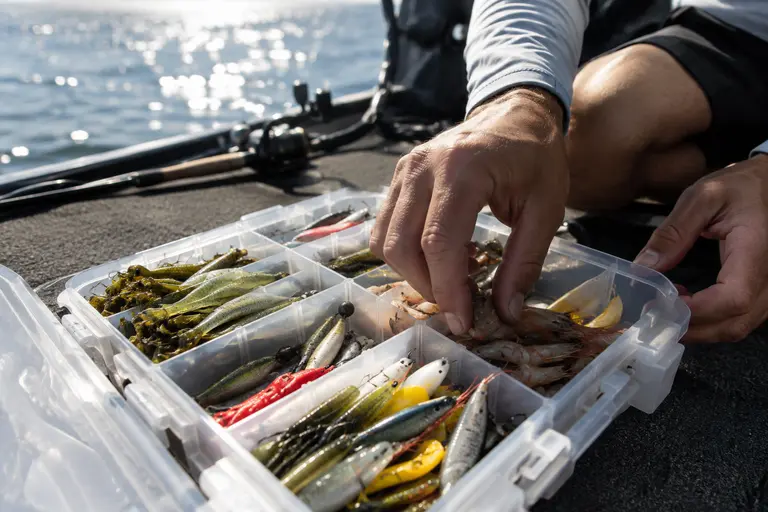
That balance is one reason crossover bait talk fits this event. Weedless spoons, paddletail soft plastics, topwaters that suggest mullet and artificial shrimp all appeared in the research notes as relevant tools. The point is not that one lure category should dominate. The point is that lure choice has to match water clarity, floating grass, wind, fish mood and the need to keep a bait moving naturally near bottom or over shell.
Wind, Tide And Water Clarity In Port Aransas
Tide Timing Is Not Only A Tide Chart
Port Aransas rewards teams that understand that a posted tide is only part of the story. The Coastal Bend can be affected by wind setup and setdown, with water levels and movement shaped by wind direction and strength as well as astronomical tide. Baycast’s coastal guidance explains how wind and tides interact before a Coastal Bend fishing trip wind and tide reading.
That detail is central to a redfish event because water movement positions bait. Incoming water can open up shallow feeding opportunities. Outgoing water can concentrate bait around drains, cuts and shoreline funnels. If wind stacks water into a bay, the visual clues may not match what an angler expected from a tide table. If wind pulls water out, a flat that looked right in practice can become too thin or too dirty to fish efficiently.
Clarity Changes The Casting Plan
The research notes identify clear, calm conditions as favorable for sight casting and lighter presentations. That is consistent with the basic demands of shallow redfish work: see the fish or the push, place the bait without alarming it, and keep the presentation in the strike zone long enough to trigger a response.
Wind changes that equation. It can create surface disturbance, reduce visibility, push a skiff off line and muddy otherwise useful water. Under those conditions, anglers may need shorter casting angles, more protected banks, heavier weedless rigs or more compact profiles. The tournament may be decided less by who found fish in practice than by who could still make clean presentations after the weather altered the playing field.
Structure Choices Will Separate Similar Teams
Shell, Grass And Drains Set The Starting Points
The key structure identified in the research notes fits the Port Aransas pattern: oyster bars, grass-sand potholes, shallow flats with shell, shoreline edges and marsh drains. Each type of cover gives redfish something different. Oyster bars can hold food and create edges. Grass potholes can act as visual targets on otherwise broad flats. Drains can condense movement when water begins to fall.
For teams, the problem is sequence. Starting on a visible flat may be the right call if the light and wind allow sight fishing. Starting near drains may be better if bait is moving and water is pulling. Shell out of the wind may become a safer option after a front or during sustained wind. None of those choices can be evaluated in isolation. They have to be tied to water level, clarity and pressure from other boats.
Local Knowledge Has A Community Dimension
Port Aransas is not just a map point for the schedule. It is a coastal fishing community where guides, recreational anglers and tournament teams all read the same wind, boat lanes and flats. A national championship puts more attention on the local fishery, but the best competitive analysis should avoid treating the bay system as a stage prop. Local water knowledge is part of the event’s competitive fabric.
That is also why caution matters in preview coverage. Without verified daily weather at launch time, confirmed water clarity on each flat or official practice reports from every team, it would be unsound to rank areas too precisely. A more defensible read is to track the structure groups that are supported by prior patterns and then watch how teams adjust once the first competition day exposes which water still has active bait and catchable redfish.
Bait Selection And Equipment Readiness
Subtle Versus Flashy Is Condition-Based
The research notes point to a condition-based bait split. Clear water and mild wind can let anglers use more visible offerings, including flashy spoons or topwaters that resemble mullet. Rougher, windier conditions may push teams toward smaller profiles and subtler presentations. That is not a contradiction. It is tournament fishing at its most practical: the bait has to fit the fish’s mood and the angler’s ability to place it.
Grass and bottom contact add another layer. Light jig heads with exposed hooks can be efficient when the path is clean. Floating grass or snag-prone bottom can make weedless rigs more valuable. Bellied-weight soft plastics can help keep a bait near bottom while reducing hang-ups. These choices look small on paper, but each one affects casting distance, fall rate, hook exposure and the number of clean presentations a team can make in a short feeding window.
Breakdowns Can Change A Tournament Day
Equipment readiness belongs in the same conversation as lure selection. The research notes mention spare props and repair tools because shallow shell and hard structure can punish lower units and props. In a redfish event, lost time is not abstract. A prop issue can cost a tide window, a protected shoreline rotation or the chance to return to fish seen during practice.
For readers who follow freshwater tournament technique, the crossover is familiar: preparation often decides whether a pattern survives contact with the event day. The same principle appears in bass events where anglers balance practice clues, equipment and local water changes, as discussed in this site’s look at bass tournament techniques. In Port Aransas, the saltwater version adds shell, tide and skiff positioning to that checklist.
- Wind: Watch whether teams can hold position and maintain casting angles.
- Tide: Track whether bites line up with incoming water, outgoing drains or wind-driven water shifts.
- Structure: Compare open flats, shell, grass potholes and protected shorelines.
- Baits: Note whether fish respond better to flash, vibration, subtle profiles or topwater movement.
- Durability: Pay attention to teams that avoid lost time around shallow hard cover.
Port Aransas Redfish Cup Championship Read
The most grounded way to view this preview is through controllable decisions. Teams cannot control the wind direction, the timing of a front or whether water clarity holds across several days. They can control how they scout, how quietly they approach fish, how fast they abandon dead water and how well their equipment is prepared for shallow structure.
The Redfish Cup Championship should be judged by those adjustments rather than by a single favored tactic before launch. Port Aransas can reward sight casting, but only if clarity and light cooperate. It can reward oyster-bar fishing, but only if water movement and bait keep fish nearby. It can reward bass-style search patterns, but only if those patterns are filtered through the caution required on pressured redfish flats.
For related outdoor coverage in the same publishing network, you can explore diverse sporting and recreational topics at Banat Zayed, a site offering another reference point for regional sport and recreation enthusiasts. For this event, the evidence points to a championship likely shaped by wind, tide, structure and disciplined team decisions from November 6-8, 2026.