

As winter slowly fades and spring begins to warm lakes and reservoirs, bass anglers across many regions eagerly anticipate one of the most productive fishing periods of the year the pre-spawn season. During March, Largemouth Bass become increasingly active as they transition from deeper winter habitats toward shallow spawning areas.
This seasonal shift triggers more aggressive feeding behavior as bass prepare for the spawning period ahead. Because of this heightened activity, anglers often experience some of the best fishing opportunities of the year.
Choosing the right lure during this transition is essential. Certain baits consistently perform well during the pre-spawn period because they imitate natural prey and allow anglers to cover water efficiently. From crankbaits to soft plastics, these lure styles are among the most effective tools anglers are using during the March 2026 bass fishing season.
Understanding the Pre-Spawn Bass Behavior
Before discussing the most productive lures, it is important to understand how bass behave during the pre-spawn phase. As water temperatures gradually climb, bass begin moving from deep winter holding areas toward shallow flats and protected coves where spawning will eventually occur.
During this transition, bass often stop at “staging areas.” These locations commonly include submerged points, creek channels, rocky banks, and areas with submerged vegetation. Such spots provide both food and protection while the fish wait for optimal spawning conditions.
Because bass are actively feeding during this time, they become more willing to strike moving lures that resemble baitfish or crawfish. This feeding behavior makes pre-spawn one of the most exciting times for anglers targeting trophy-sized bass.
Understanding these movement patterns helps anglers choose the right lure and presentation for the conditions.
Why Lure Selection Matters in Early Spring
Fishing success during the pre-spawn period often depends on selecting a lure that matches both the environment and the bass’s feeding habits. In early spring, bass diets commonly consist of small baitfish, crawfish, and other aquatic organisms that become more active as temperatures rise.
Effective lures typically imitate these prey species while allowing anglers to cover different depths and structures. Some lures excel in shallow water near vegetation, while others work better along deeper staging areas.
Using a variety of lures allows anglers to adjust their approach depending on water clarity, temperature, and fish activity levels. This adaptability is key to consistently catching bass during the changing conditions of March.
Crankbaits for Covering Water Quickly
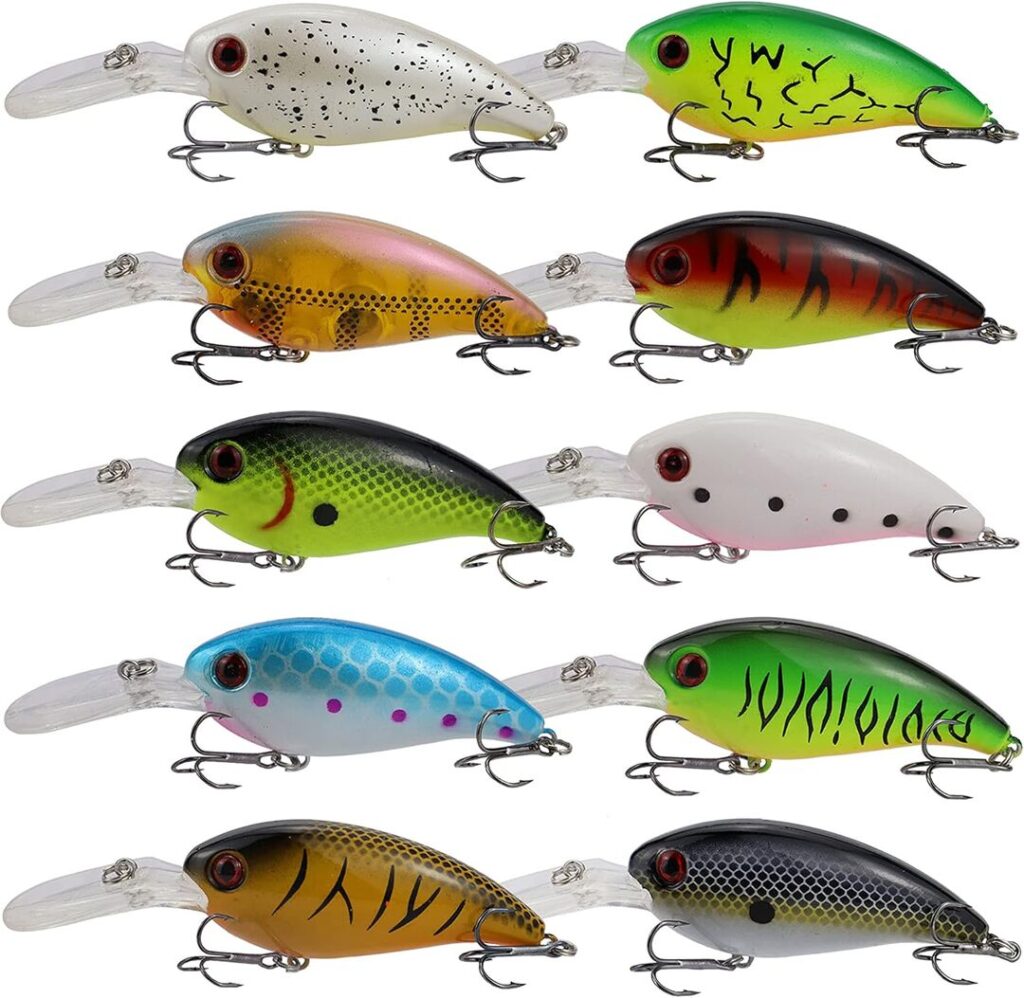
Among the most popular lure choices during the pre-spawn period are crankbaits. These hard-bodied lures are designed to mimic baitfish and create vibrations that attract bass from a distance.
Crankbaits are particularly effective along rocky banks, submerged timber, and points where bass often stage before moving into shallow spawning areas. By adjusting the retrieve speed and depth, anglers can target fish holding at different levels in the water column.
In colder early-spring water, slower retrieves often produce better results. The steady wobbling motion of a crankbait can trigger reaction strikes from bass that are actively feeding.
Because crankbaits allow anglers to cover large areas efficiently, they are often used as search baits when locating fish during the pre-spawn period.
Spinnerbaits for Murky Water Conditions
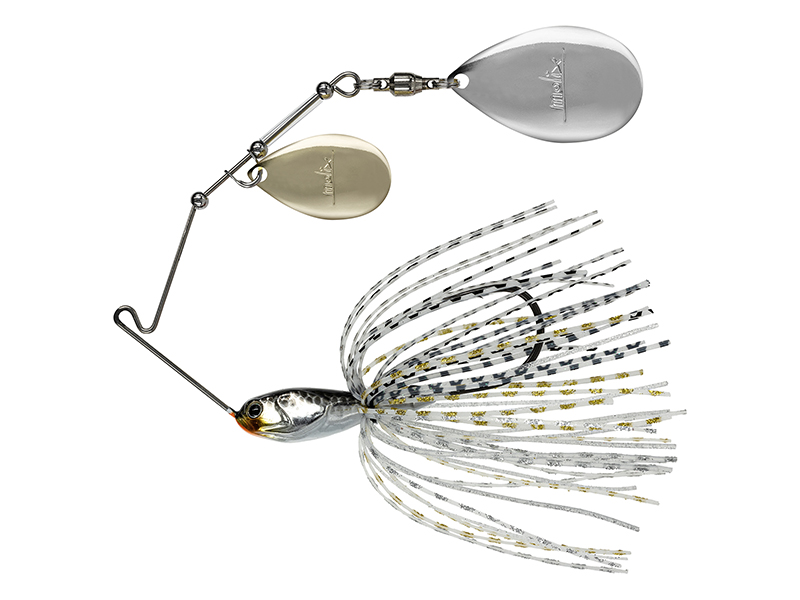
Another lure that performs exceptionally well during early spring is the spinnerbait. These lures feature spinning metal blades that produce flash and vibration, making them highly visible in stained or muddy water.
During March, spring rains and runoff frequently reduce water clarity in many lakes. Spinnerbaits excel under these conditions because the vibration helps bass locate the lure even when visibility is limited.
Anglers often use spinnerbaits around submerged vegetation, docks, and shallow cover where bass move during the pre-spawn transition. The lure’s design also allows it to move through cover without snagging easily.
A slow, steady retrieve often works best in cooler water, allowing bass time to react and strike.
Soft Plastic Creature Baits and Craw Imitations
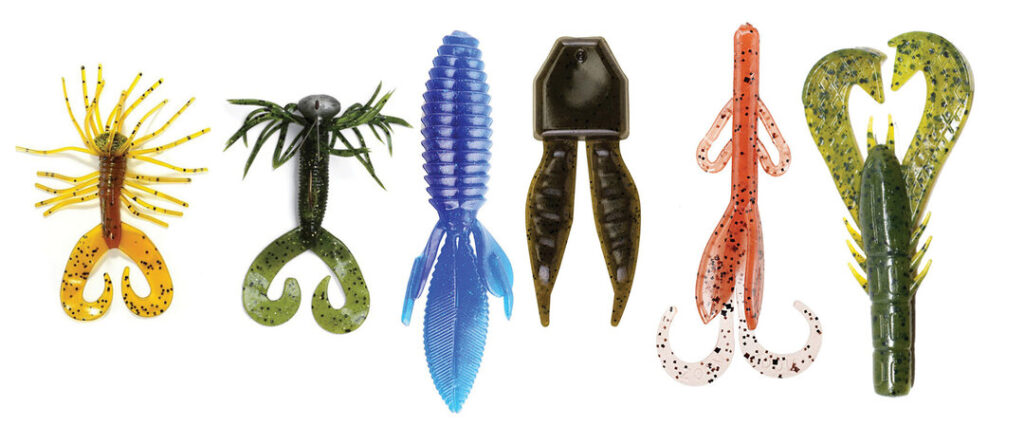
Soft plastic lures are another essential part of any pre-spawn bass fishing strategy. Creature baits and crawfish imitations are especially effective because they closely resemble one of the bass’s primary food sources.
During early spring, crawfish become more active along rocky bottoms and shallow areas. Bass frequently feed on them as they prepare for spawning.
Soft plastics can be rigged in various ways depending on the fishing conditions. Anglers often use Texas rigs or jig combinations to present these lures near the bottom where crawfish typically move.
This slower presentation can be particularly effective when bass are less aggressive or holding close to structure.
Swimbaits for Targeting Larger Bass
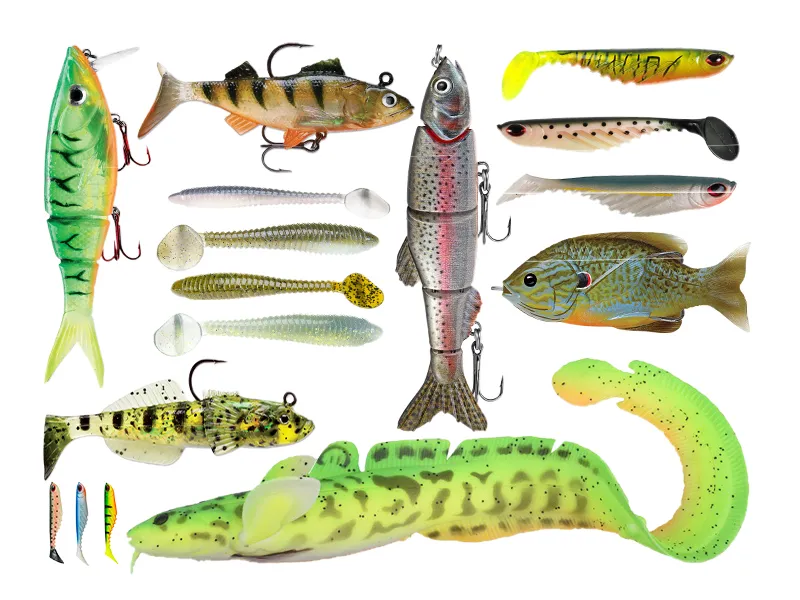
Swimbaits have gained popularity among anglers targeting bigger bass during the pre-spawn season. These lures imitate larger baitfish and produce a realistic swimming motion that attracts predatory fish.
During March, female bass preparing for spawning often feed heavily in order to build energy reserves. This makes them more likely to pursue larger prey.
Swimbaits are commonly used around deeper staging areas such as submerged points or channel edges. Their lifelike movement can entice strikes from bass that might ignore smaller lures.
Because swimbaits often target larger fish, many anglers consider them one of the best options for catching trophy bass during the pre-spawn period.
Key Locations for Pre-Spawn Bass Fishing
Selecting the right lure is only part of the equation. Knowing where to fish is equally important during the pre-spawn season.
Anglers often focus on transitional areas between deep water and shallow spawning grounds. These staging locations provide bass with easy access to food while they wait for water temperatures to reach optimal spawning levels.
Common pre-spawn hotspots include rocky banks, creek channel bends, submerged vegetation lines, and points leading into shallow coves. These areas act as natural travel routes for bass moving toward spawning areas.
By combining effective lure choices with these productive locations, anglers greatly improve their chances of success.
The Influence of Weather and Water Temperature
Weather conditions play a significant role in pre-spawn bass fishing. Sudden temperature changes, cold fronts, and rainfall can all influence fish behavior.
Gradual warming trends typically encourage bass to move shallower and become more aggressive. Conversely, sudden drops in temperature may push fish slightly deeper or reduce their feeding activity.
Monitoring water temperature is particularly helpful when planning a fishing trip. Many anglers consider the range between 50 and 60 degrees Fahrenheit ideal for early pre-spawn activity.
Adjusting lure selection and fishing depth according to these conditions can make a significant difference in results.
Spring Bass Fishing Continues to Build Momentum
The March pre-spawn period offers some of the most exciting bass fishing opportunities of the year. As Largemouth Bass become more active and begin moving toward spawning areas, anglers can take advantage of their increased feeding behavior.
Lures such as crankbaits, spinnerbaits, soft plastic craws, and swimbaits consistently produce results during this time of year. By understanding bass movement patterns and adjusting lure presentations accordingly, anglers can significantly increase their chances of landing quality fish.
As spring continues to warm lakes and reservoirs throughout the coming weeks, bass activity will likely continue to rise. For anglers eager to get back on the water, the March 2026 pre-spawn bite offers the perfect opportunity to enjoy productive and memorable fishing trips.