

As bass fishing tournaments ramp up across North America, one lure has emerged as a clear standout in early-season competition: the ChatterBait. Known for its distinctive vibration and flashy action in the water, this lure has quickly become a favorite among both professional anglers and weekend fishermen looking to improve their success rate.
In several recent tournament events, many of the top competitors have relied on variations of the ChatterBait to catch large limits of bass. The lure’s ability to imitate baitfish movement while creating noticeable vibration in the water has made it especially effective during the early months of the fishing season.
The increasing presence of ChatterBaits in competitive fishing circles reflects how rapidly techniques and tackle continue to evolve in the sport. As anglers experiment with new presentations and combinations, certain lures rise to prominence because they consistently produce results and the ChatterBait is currently leading that trend.
Understanding What Makes the ChatterBait Unique
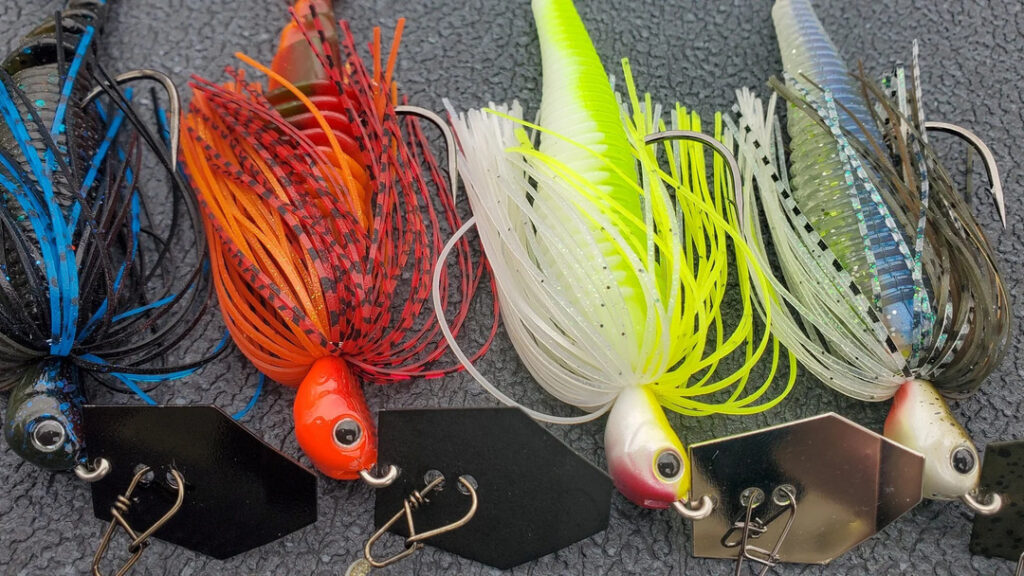
The ChatterBait is often described as a vibrating jig, combining features of several traditional lures into a single design. The lure includes a jig head attached to a metal blade at the front, which creates strong vibration as it moves through the water. This vibration mimics the erratic movement of injured baitfish, a signal that predatory fish like bass instinctively respond to.
The lure also typically includes a soft plastic trailer attached to the hook, which enhances its profile and creates additional motion as it swims through the water. When retrieved at varying speeds, the blade oscillates rapidly, producing a distinctive “chattering” action that gives the lure its name.
One of the most popular versions used by tournament anglers is the Z‑Man ChatterBait JackHammer, a premium model designed to deliver consistent vibration and strong hook-setting performance.
Because of its unique design, the ChatterBait offers anglers a combination of flash, vibration, and realistic movement three elements that make it particularly appealing to bass.
Early-Season Conditions Favor Vibrating Jigs
One reason the ChatterBait has become so effective during early-season tournaments is the environmental conditions anglers encounter during this period.
During late winter and early spring, water temperatures often remain cool, and bass behavior tends to change as the fish transition toward spawning areas. Instead of chasing fast-moving prey across open water, bass frequently position themselves near structure, vegetation, or shallow staging areas.
The ChatterBait performs exceptionally well under these conditions because it can be retrieved slowly while still producing noticeable vibration. This allows anglers to present the lure in a way that appears natural to bass that may be less aggressive due to cooler temperatures.
Additionally, early-season waters are often slightly stained from rainfall or runoff. In murkier conditions, the vibration created by the ChatterBait helps bass locate the lure even when visibility is limited.
Tournament Success Driving the Trend
The growing popularity of ChatterBaits is not just anecdotal it is backed by consistent tournament results. In several recent competitions, anglers using vibrating jigs have recorded some of the heaviest catches of the events.
Professional fisherman Takahiro Omori recently secured a major victory using a ChatterBait setup, highlighting the lure’s effectiveness against some of the most skilled competitors in the sport.
In that tournament, multiple anglers in the top rankings also relied on similar vibrating jigs, demonstrating that the technique is not limited to one individual’s strategy. Instead, it reflects a broader shift among professional anglers who recognize how versatile and productive the lure can be.
As tournament coverage spreads through fishing media and social platforms, more anglers are experimenting with the same lure setups used by professionals.
Where the ChatterBait Works Best
Although the ChatterBait can catch bass in a wide variety of environments, certain locations tend to produce especially strong results.
Areas with submerged vegetation are among the most productive places to fish this lure. The vibrating jig can be retrieved through grass beds or along the edges of aquatic plants, where bass often wait to ambush prey.
The lure is also highly effective around shallow cover such as docks, fallen trees, and rocky shorelines. These locations provide shelter for baitfish and create natural feeding opportunities for bass.
Anglers fishing large lakes and reservoirs such as Lake Hartwell and Sam Rayburn Reservoir frequently rely on ChatterBaits to target bass during early-season tournaments.
Because the lure can be retrieved at different depths and speeds, it adapts easily to various fishing environments.
Pairing the Right Trailer with the Lure
Another factor contributing to the lure’s success is the wide range of trailer options anglers can attach to it. The soft plastic trailer plays a major role in determining how the lure behaves in the water.
Many anglers prefer trailers that imitate baitfish, such as soft plastic minnows or swimbaits. These additions enhance the natural swimming motion of the lure and increase its appeal to predatory fish.
Some of the most effective trailer options include:
- Paddle-tail swimbaits
- Soft plastic minnows
- Crawfish-style trailers
Each type creates slightly different movement patterns, allowing anglers to adjust their presentation depending on water clarity, fish activity, and available forage.
While the trailer selection is important, the key principle remains the same: creating a realistic profile that bass recognize as prey.
Why Bass React Strongly to Vibrating Lures
Bass are highly sensitive to vibrations in the water. Their lateral line system allows them to detect subtle movement patterns created by nearby prey.
The ChatterBait’s metal blade produces continuous vibration that mimics the erratic motion of distressed baitfish. This sensory signal triggers the predatory instincts of bass, often prompting them to strike aggressively.
Unlike some lures that rely primarily on visual appeal, vibrating jigs stimulate both sight and vibration detection. This dual attraction makes them especially effective in conditions where bass might otherwise struggle to locate food.
The result is a lure that can provoke strikes even when fish are not actively feeding.
The Influence on Recreational Fishing
While professional tournaments often showcase the latest trends in bass fishing, recreational anglers are quickly adopting the same techniques.
Fishing enthusiasts who watch tournament coverage frequently experiment with the lures used by top competitors. As a result, tackle shops have seen growing demand for ChatterBaits and related vibrating jigs.
For many anglers, the lure offers a simple yet effective way to improve their chances of catching bass. Its versatility allows it to be used by beginners while still providing the precision and performance required by experienced fishermen.
This widespread adoption illustrates how innovations in professional fishing eventually influence everyday anglers.
Looking Ahead to the Rest of the Season
Although the ChatterBait is currently dominating early-season tournaments, its effectiveness is not limited to spring. Many anglers continue using vibrating jigs throughout the year, particularly when bass are feeding on baitfish.
However, early spring conditions often provide the perfect combination of water temperature, bass behavior, and forage patterns that allow the lure to truly shine.
As more tournaments take place in the coming months, it will be interesting to see whether the ChatterBait continues its winning streak or if new techniques emerge to challenge its dominance.
For now, the vibrating jig has firmly established itself as one of the most influential tools in modern bass fishing. With professional anglers demonstrating its effectiveness in high-pressure tournaments, the ChatterBait appears set to remain a key component of competitive fishing strategies for the foreseeable future.