

Professional bass fishing does not often get a same-day announcement that feels like both a scheduling update and a strategic signal. But that is exactly what happened with the unveiling of the Major League Fishing 2026 Fishing Clash Team Series, a move that sharpens the competitive edge of team-format bass fishing at a moment when the sport is increasingly built around visibility, personality, and broadcast value.
I see this as more than a calendar release. It is an early indicator of how top-tier bass fishing intends to grow in 2026: by leaning harder into partnerships, live storytelling, and a format that asks elite anglers to share not just water, but pressure, timing, and decision-making in real time.
Why The 2026 Team Series Matters Now
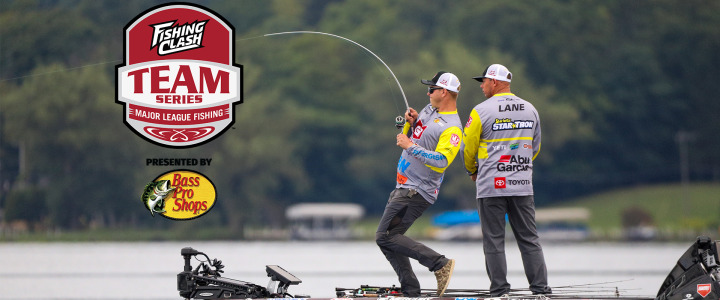
The headline details are straightforward but important. The 2026 Fishing Clash Team Series will feature four Cup events, a season purse of $560,000, and daily livestream coverage. The format once again centers on two-man Bass Pro Tour teams competing from the same boat, a setup that immediately changes the rhythm of competition and the viewer experience.
That matters because bass fishing is no longer just competing with itself. It is competing for attention in a crowded sports and outdoor media environment where watchability matters almost as much as the outcome. Team events create something solo formats cannot always provide: visible collaboration, strategic tension, and the kind of on-the-water conversation that pulls fans deeper into the event.
This is where the series has real value. It gives the sport a product that is inherently more interactive, more unpredictable, and easier for casual viewers to follow without losing the technical credibility that serious fishing audiences expect.
A Format Built For Drama And Strategy
I have long believed that team bass fishing reveals a different kind of angler. In solo competition, every decision is internal. In a paired format, every adjustment becomes a negotiation. Anglers must decide when to press, when to yield, when to change presentations, and how to manage shared momentum through changing conditions.
Fishing from the same boat may sound like a small detail, but it is central to the appeal. It compresses the competitive environment. Space becomes limited. Timing becomes crucial. Lure selection, casting angles, and fish management all become part of a shared tactical equation rather than a private game plan.
That dynamic raises the entertainment value, but it also raises the level of difficulty. Elite anglers are not simply being asked to catch bass. They are being asked to perform in sync under tournament pressure. The best teams are rarely just the most talented pairings on paper. They are the ones that process water quickly, communicate clearly, and avoid the emotional drift that can sink a day when conditions tighten.
What The Structure Says About The Business
The four-event structure is lean enough to feel curated and substantial enough to carry a season narrative. That balance is smart. Too many events can dilute urgency. Too few can make the product feel secondary. Four Cups create a framework that gives each stop weight while preserving anticipation.
The $560,000 purse also sends a clear message. This is not an exhibition side project. It is a serious competitive property with meaningful financial stakes. In an era when every major fishing organization is under pressure to deepen fan engagement and strengthen sponsor value, prize structure becomes part of the branding. A strong purse tells anglers the events matter and tells viewers they should pay attention.
Here is how the series is positioned at a glance:
| 2026 Team Series Snapshot | Details |
|---|---|
| Format | Two-man Bass Pro Tour teams |
| On-The-Water Setup | Both anglers compete from the same boat |
| Number Of Cup Events | Four |
| Total Season Purse | $560,000 |
| Broadcast Model | Daily livestream coverage |
That combination of money, format, and media access is not accidental. It reflects a modern sports model in which the competition must work both on the water and on screen.
Livestreaming Is No Longer Optional
The daily livestream element may be the most consequential part of the announcement. Competitive fishing has spent years evolving from delayed television packages into a more immediate, digital-first product. Fans now expect to follow momentum swings as they happen, not hours or days later.
Livestreaming gives the Team Series an advantage because the format naturally generates moments that play well live. Viewers can watch teammates talk through missed opportunities, adjust to fish behavior, or react instantly to another team’s surge. That kind of emotional texture is hard to fake and even harder to replicate in edited highlights.
From a newsroom perspective, it also makes the series more relevant beyond the core fishing audience. Live sports travel faster. Clips circulate more widely. Personalities become more visible. Storylines form in public rather than after the fact. For a league trying to keep pace with changing consumption habits, daily livestreams are not simply a nice feature. They are foundational.
What Fans And Anglers Should Watch
There are several reasons this season could carry more significance than the schedule release alone suggests.
First, chemistry will matter as much as pedigree. Fans should resist the temptation to assume that the biggest names automatically make the strongest teams. In this format, compatibility can outweigh individual dominance.
Second, the four-event season creates very little room for recovery. A bad decision, a difficult day, or a poor read on conditions can become season-shaping almost immediately. That compression should make every event feel sharper from the first cast.
Third, the series gives the league another way to expand its identity beyond conventional tournament structures. Team events offer narrative clarity: alliances, pressure points, momentum swings, and visible reactions. Those are the ingredients that make sports feel alive to audiences who may not know every pattern, bait, or seasonal movement.
For anglers, the challenge is equally clear:
- Perform individually without losing team cohesion
- Adapt quickly in a shared competitive space
- Handle the visibility that comes with live coverage
The Broader Direction Of Professional Bass Fishing
What stands out to me most is that this announcement feels aligned with where the sport is already heading. Professional bass fishing is becoming more experience-driven, more media-conscious, and more deliberate about packaging competition in ways that reward both technical excellence and audience attention.
That does not mean abandoning tradition. It means translating it. The essential skills remain the same: reading water, locating fish, adjusting to pressure, and executing under stress. What changes is the frame around those skills. In the Team Series, the frame is tighter, louder, and more collaborative.
That is why this matters right now. The 2026 Fishing Clash Team Series is not just filling dates on a calendar. It is reinforcing the idea that the future of pro bass fishing belongs to formats that can hold up competitively and connect immediately with viewers. In a sport where relevance increasingly depends on what fans can see, feel, and follow in real time, this series arrives as a sharp statement of intent.