

The Kinkaid Lake tournament scheduled for Saturday, November 7, 2026, has the kind of short-format pressure that rewards clean decisions more than a full box of average keepers. From a community angler’s view, this IL-22 Fall Division stop is not just another date on a calendar. It is a points event, a marina gathering, and a late-fall test of whether teams can match legal fish care, efficient boat management, and a three-fish strategy under a defined tournament window.
Kinkaid Lake tournament Format And Stakes
Kinkaid Lake tournament Timeline
USA Bassin lists the IL-22 Kinkaid Lake Fall Division event for Saturday, November 7, 2026, with take-off at 6:00 AM, weigh-in at 2:00 PM, and the meeting at the Marina. The event page also lists a $75.00 entry fee per boat, a required 2026-27 USA Bassin membership, pre-registration boat numbers assigned by order of entry, and a three-fish limit per team through the official USA Bassin event page.
That 6:00 AM to 2:00 PM frame matters. It gives teams enough time to run a primary plan and make one serious adjustment, but it does not leave room for casual searching after the first few hours are gone. On a lake event with a three-fish limit, a team can recover from a slow start with one quality bite. It is harder to recover from lost time, missed check-in discipline, or a pattern that never gets tested against a second area.
Points, Membership, And Boat Order
The event is listed as a points-format tournament, with $5 of each entry fee marked for end-of-season divisional champions. USA Bassin also notes plaques for divisional champions and big bass champions at season’s end. That changes the way some teams may treat risk. A boat chasing a divisional position may value a dependable three-fish bag more than a long run built around one heavier bite. A team outside the points race may accept more variance, especially if big bass recognition is part of its season target.
Pre-registration also has a practical effect because boat numbers are assigned by order of entry. That does not guarantee better fishing, but it can affect early access to preferred starting water. For organizers, clear pre-registration rules help the morning move faster. For sponsors and local supporters, the same structure creates a more orderly contact point for anglers, families, and volunteers.
Fall Strategy Starts With The Three-Fish Limit
Quality Over Volume
The three-fish limit is the central strategy filter. A five-fish tournament often rewards steady keeper production. A three-fish event places more weight on each individual decision: which dock or point gets a second pass, whether a team stays with a reaction bait after one miss, and how quickly it leaves water that is producing only smaller fish.
For teams treating the Kinkaid Lake tournament as a points stop, the first goal should be a legal, weighable limit. After that, the day becomes a replacement game. The difference between a mid-pack bag and a strong finish can come from upgrading one fish, not rebuilding the full catch. That makes fish care, livewell checks, culling discipline, and calm partner communication part of the competitive plan rather than background tasks.
Fall strategy should be framed with caution because no approved source in the research provides a verified water temperature reading for November 7, 2026. The better approach is scenario planning. If practice shows bait and bass using shallow edges early, a team can start with moving baits and visible cover. If the first hours show few signs of active fish, the adjustment should move toward structure, slower presentations, and areas where bass can shift between feeding lanes and nearby depth.
Reading Conditions Without Guessing
The supplied research points toward classic late-fall transition targets such as main-lake points, creek-arm mouths, channel bends, rocky points, bluff edges, timber near channel swings, and creek mouths. Because those notes are not supported by the two approved source links, they should be used as planning prompts, not hard claims about what the lake will do on November 7. The field test still has to happen on the water.
A practical way to handle that uncertainty is to build a short rotation before take-off. One area can test shallow activity. One can test the first break off the bank. One can test a deeper or steeper transition. If none of those areas produces, the team has learned something useful without burning the whole morning. The mistake is not missing on a starting spot. The mistake is staying after the spot has stopped giving evidence.
| Decision Point | What It Tests | Why It Matters In A Three-Fish Event |
|---|---|---|
| Early shallow pass | Active feeding fish | Can produce quick weight before pressure builds |
| First break check | Transition fish near depth | Can stabilize the day if shallow water is slow |
| Steeper structure pass | Less visible, possibly less pressured fish | Can create one key upgrade |
| Midday reset | Pattern strength | Prevents chasing old practice memories |
None of that requires a team to overcomplicate the day. It asks for a simple standard: keep fishing where the lake is giving answers. Late fall can tempt anglers into forcing a favorite bait or a favorite bank. A better tournament plan is to let each stop either confirm or reject the pattern.
Community And Sponsor Value Around Kinkaid
Marina Meeting Creates Local Contact Point
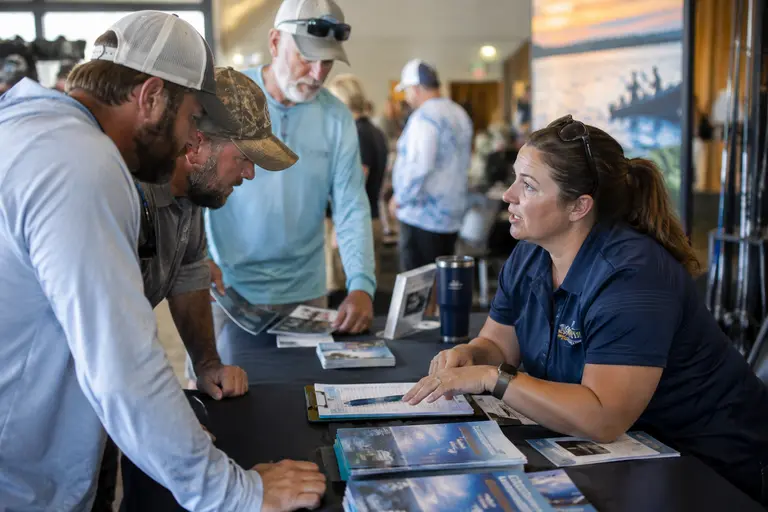
The Marina meeting point is a small but meaningful detail. It gives anglers a shared staging area, gives organizers a defined place to communicate, and gives local businesses a realistic window for contact. In a division event, the value is not only the entry fee. It is fuel, food, tackle, lodging where applicable, and the repeat presence of anglers who may return for practice or future events.
That community effect should be discussed carefully because the research does not provide attendance totals, visitor spending, or local economic data. Still, the structure of the event supports a modest and grounded claim: a scheduled tournament brings concentrated angler traffic to the host area during a specific date and time. For small sponsors, that is often more useful than broad exposure. They can support weigh-in materials, angler meals, youth fishing outreach, or conservation-minded raffle items without needing a large campaign.
Sponsor Fit Should Stay Practical
The best sponsor fit for an event like this is practical and local. A tackle shop can support items anglers use on Kinkaid. A marina partner can help with launch communication. A food business can support morning or weigh-in traffic. A community group can attach its name to fish care, trash pickup, or youth participation. None of those ideas require invented attendance claims.
For readers who follow broader sports-event business coverage, check out the insights provided by Sports Wire News where related coverage is shared across the same network. The fishing-specific lesson here is narrower: sponsors should match what the tournament actually needs on November 7, not what a generic sports package promises.
A useful comparison is the way another tournament preview can connect logistics with local impact, as seen in this site’s Lake Athens team championship preview. Different lake, different event, but the same organizing principle applies: clear launch details and weigh-in planning help both competitors and nearby businesses understand the day.
Rules, Fish Care, And Event Planning
Regulations Shape The Conversation
Illinois’ 2026 fishing regulations list Kinkaid Lake black bass rules as three large or smallmouth bass daily, with no more than one fish 15 inches or longer, in the state’s official Illinois fishing regulations. Tournament participants still need to follow the event’s posted rules and any instructions from tournament officials. Recreational rules and tournament weigh-in procedures are connected, but they are not always applied in the same way during organized catch-and-release events.
That distinction is worth slowing down on. A tournament can create excitement around bigger fish, but the local fishery is the shared asset. Good livewell management, short weigh-in handling, and clear release procedures help protect the lake that supports the division. For a community event organizer, those steps are not extras. They are part of earning trust with anglers, agencies, and non-tournament lake users.
Angler Checklist For November 7
- Confirm USA Bassin membership status before the event date.
- Review boat number, meeting time, take-off time, and weigh-in time.
- Prepare for a three-fish limit by organizing culling tags and livewell care.
- Build a short rotation that tests shallow, transition, and steeper water.
- Separate practice notes from verified tournament-day conditions.
- Keep local rules and event rules available for reference.
The checklist is plain because plain systems win tournament mornings. A team that knows its paperwork, boat order, livewell setup, and first three stops can spend less time reacting to stress and more time reading the lake. The Kinkaid Lake tournament should reward that kind of discipline.
November 7 Kinkaid Lake tournament
The November 7 event is best viewed as a compact fall test: three fish, eight scheduled competition hours, points implications, and a marina-centered gathering that matters to the local fishing community. The official facts are limited but useful. We know the date, take-off, weigh-in, fee, membership requirement, limit, and points structure. We also know the state bass regulation context for Kinkaid Lake.
What we do not know from approved sources is the exact water temperature, water clarity, bait location, or winning pattern for November 7, 2026. That uncertainty should shape the preview. Teams should not lock into a single fall script. They should carry a plan that can be tested quickly and changed without panic.
For anglers, the cleanest path is to fish for three quality bass, protect every legal fish, and make decisions from evidence on the water. For organizers and sponsors, the strongest play is to keep the event clear, local, and useful. That is how a division stop becomes more than a weigh-in line. It becomes a repeatable community fishing day with rules, respect, and competition all pointed in the same direction.