

Imagine you have the best gear, a top-notch boat, and all the latest tech. But when things get tough, your mind freezes. I’ve seen anglers with expensive equipment lose it on the water.
This isn’t just about feeling good. It’s about making smart choices, not panicking when things get crowded. It’s like having mental armor against fishing’s ups and downs.
Top anglers take their mental game as seriously as their gear. Knowing where fish are isn’t enough if your mind fails when you catch one. True success comes from mental toughness that matches your skills.
Stay flexible. Keep stress in check. Build your resilience. Your mind might be the most critical piece of your tackle box.
Visualization
I plan my tournament day like Scorsese plans a film. Every detail, from casting to hooking, is mapped out in my mind. It’s not just daydreaming; it’s science.
Visualization builds mental paths that mimic real actions. Rehearsing in my mind, I prepare for the perfect cast or the first bite. My brain can’t tell the difference between fantasy and reality.
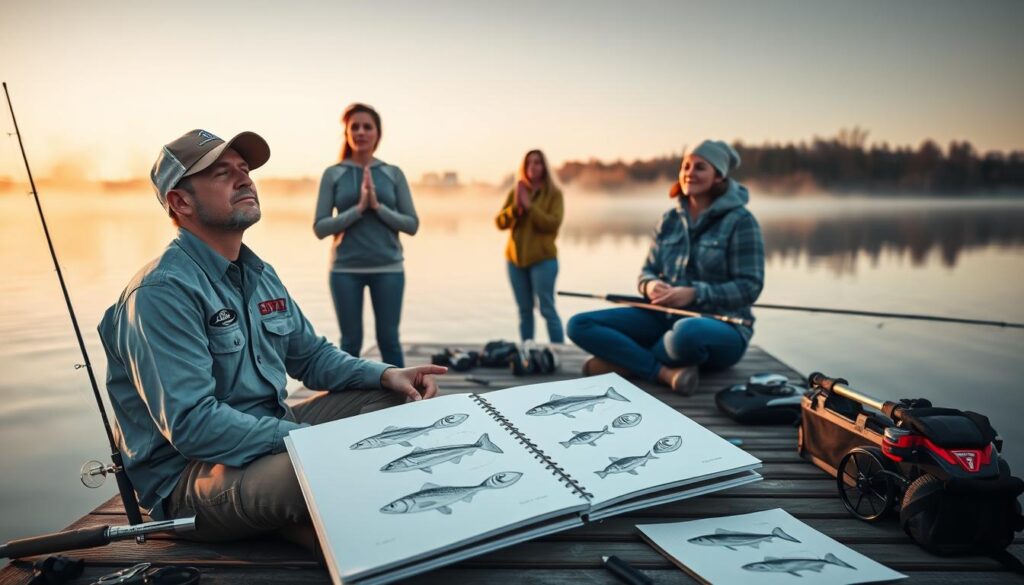
But there’s a key part many miss: thinking about the worst-case scenarios. Visualize your line breaking or another boat crashing into your spot. When you’ve mentally faced these challenges, they no longer scare you.
This approach changes your fishing tournament mindset from wishful thinking to a solid plan. You’re ready for anything, not just hoping for the best. It’s the difference between a guess and a strategy.
When you mix mental practice with the right attitude, magic happens. Treat each tournament like a casual day of fishing. Create a mental space where stress and worries can’t reach you.
This fishing tournament mindset change isn’t just about being positive. It’s about preparing your mind for anything. You’ve already mentally gone through every scenario, so when real-life chaos hits, you’re ready.
Controlling Nerves
Tournament anxiety is like a bad timing in a sitcom – everyone sees it, but nobody likes it. Yet, it keeps showing up at the worst times. But here’s the catch: that nervous feeling is actually fuel for focus, waiting to be lit.
I’ve come up with the “James Bond protocol” for those tournament moments. When things go wrong – tangled lines, missed strikes, or that one fish that got away – you pause, breathe, and think: “What would 007 do?” The answer is calm and composure, not panic.
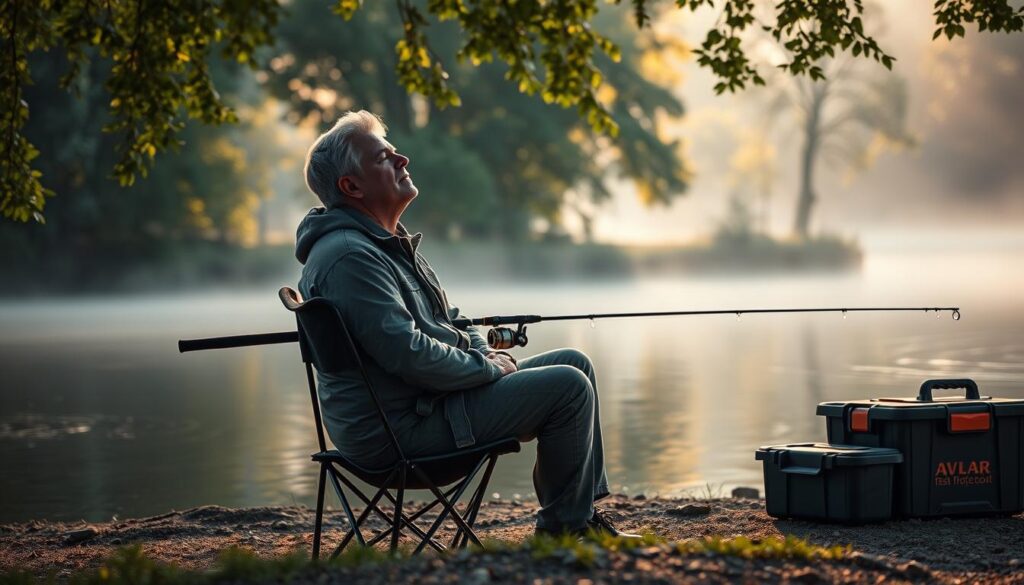
- Box breathing: Inhale for four seconds, hold for four, exhale for four, hold for four. It’s like rebooting your nerves
- Grounding exercise: Notice five things you see, four things you touch, three sounds you hear, two smells, and one taste. It might sound weird, but it can save you from a meltdown
- Progressive muscle relaxation: Tense and then release each muscle group from your toes to your forehead. Your fishing rod needs the right tension too
The secret isn’t to get rid of nerves – it’s to use them. That adrenaline makes you quicker, more aware, and turns you into a champion. Think of nervous energy as power waiting for direction.
Here’s how different techniques compare for managing nerves:
| Technique | Execution Time | Effectiveness Rating | Best For Situation |
|---|---|---|---|
| Box Breathing | 60 seconds | 9/10 | Pre-cast jitters |
| 5-4-3-2-1 Grounding | 90 seconds | 8/10 | Mid-tournament frustration |
| Progressive Relaxation | 3 minutes | 7/10 | Between spot changes |
| Visualization Reset | 2 minutes | 9/10 | After missed opportunities |
Tournament fishing is like high-stakes poker – the best players aren’t those who never feel pressure. They master their nerves. Your mental prep should include embracing the jitters, not fighting them.
When your hands shake while tying a knot, it’s not anxiety – it’s your body getting ready for top performance. The trick is to acknowledge the feeling without letting it control you. Use that energy for focused action, not frantic reactions.
What sets champions apart from others is how they use their nerves. The water doesn’t care about your feelings – it only responds to skill, patience, and calm. Master those, and you’ve won the game.
Pre-Tourney Rituals
My morning routine for tournaments is as detailed as a NASA launch plan. It’s not just about being organized; it’s for my mental health. Casual anglers might see it as superstition, but for us, it’s a way to stay focused.
Having a consistent routine helps us feel more at ease. When everything else is unpredictable, our rituals remind us we’ve done this before. It’s like having a safety net in a storm.
I always have the same breakfast and listen to the same music on my way. One angler even tied the same knot on his shoelaces for 15 years. It didn’t catch more fish, but it boosted his confidence.
Good rituals prepare you both physically and mentally. They should calm you down, not add stress. Believing in yourself is the key to success.
| Effective Rituals | Psychological Benefit | Ineffective Superstitions |
|---|---|---|
| Listening to focused music | Creates optimal arousal state | Bananas on board (seriously, it’s weird) |
| Systematic gear check | Builds confidence in equipment | Lucky clothing that’s weather-inappropriate |
| Visualization exercises | Prepares neural pathways | Rituals that delay launch time |
| Controlled breathing patterns | Manages competition anxiety | Compulsive behaviors that waste energy |
The right fishing tournament mindset is all about psychology, not magic. Stick to what you know best and carry something meaningful. Just make sure it helps you perform, not just calm your nerves.
Your pre-tournament routine should feel like wearing your favorite jacket. It should be comfortable and ready for anything. That’s the secret to success that few talk about.
Focusing Under Pressure
Pressure in tournament fishing is like an unexpected relative. You can’t ignore them, but you can choose how to handle them. The difference between a weekend angler and a pro isn’t just skill. It’s how they deal with pressure.
Think of pressure as a telephoto lens. It can zoom in too much, making you miss the big picture. Or, it can help you focus on what really matters. When time’s running out, your mind might wander.
Check the time, watch other boats, and worry about weigh-in. This is where mental prep fishing makes a difference. Train your mind to focus on one thing. See only your line, feel only the rod, and hear only the water.
This isn’t just fishing advice. It’s about getting into a flow state. The fish don’t care about your stress. They only care about how you present yourself. Staying calm is your secret weapon, as explained here.
The best anglers see pressure as a chance to improve. Instead of “I must win,” they say “I get to execute my strategy today.” This mindset turns pressure into an ally.
| Pressure Response | Weekend Angler | Tournament Pro |
|---|---|---|
| Time Management | Panics & rushes | Stays methodical |
| Adaptability | Sticks rigidly to plan | Adjusts strategically |
| Focus Duration | Minutes at a time | Hours of concentration |
| Self-Talk | “I might lose” | “I will execute” |
Notice how pros treat pressure like a dance partner? They lead and adapt when needed. This is the essence of mental prep fishing – staying focused while being ready to adapt.
Disconnect from the world for critical hours on the water. This digital detox isn’t about being antisocial. It’s about focusing fully and enjoying the moment. Your Instagram followers can wait – the bass won’t.
Good things happen when you stay calm, focused, and composed. Pressure isn’t something to avoid; it’s something to harness. Like a good bourbon, it only improves with proper handling.
Recovery Tips
The tournament doesn’t end when you weigh your fish. It ends when you’ve learned everything from it. Think of it like a fighter pilot’s debrief—no emotion, just cold, hard data. What worked? What failed? What surprised you? This fishing tournament mindset turns every event into a masterclass.
I keep a journal that’s part confession, part strategy guide, part therapy session. After the tournament, take time to reflect. Whether successful or not, it is always important to have a post-championship debriefing. Celebrate the small victories—that perfect cast, the pattern you cracked—regardless of the standings.
Then, physically: hydrate like you’re trying to refill the lake. Eat something that didn’t come from a gas station. Get some sleep. Your brain consolidates learning during rest; skipping recovery is like throwing away free coaching. Every tournament, win or lose, is just data collection for your next victory. Embrace that fishing tournament mindset, and you’re always ahead.