

As winter gradually fades across the southern United States, anglers are beginning to notice a familiar and exciting pattern returning to lakes and reservoirs. Spring bass fishing is heating up, with largemouth bass becoming increasingly active as the pre-spawn phase begins. Rising water temperatures, longer daylight hours, and improving weather conditions are combining to create one of the most productive times of the year for bass anglers.
Throughout the South, lakes that slowed during colder months are now showing signs of life again. From expansive reservoirs in Texas and Alabama to the well-known fisheries of Florida and Georgia, anglers are reporting improved catch rates and more aggressive feeding behavior among bass populations. This seasonal transition signals the beginning of the pre-spawn period a time when bass begin preparing for reproduction and feed heavily to build energy reserves.
For fishing enthusiasts, this window presents a prime opportunity to target larger fish as bass move from deeper winter habitats into shallower zones closer to shore.
Understanding the Pre-Spawn Phase in Bass Behavior
The pre-spawn period is one of the most significant stages in the annual life cycle of largemouth bass. It occurs in the weeks leading up to spawning season, when bass gradually move from deeper wintering areas toward shallow waters where they will eventually reproduce.
During this stage, bass become more active and begin roaming greater portions of the lake in search of food. Female bass, in particular, feed aggressively in order to build energy for the spawning process. As a result, anglers often encounter some of the largest bass of the year during the pre-spawn window.
Water temperature is one of the primary triggers for this behavior. When temperatures begin climbing into the upper 50s and low 60s Fahrenheit, bass typically start their migration toward staging areas. These staging zones are transitional locations between deep water and shallow spawning flats.
Anglers who can identify these staging areas often experience some of the most productive fishing of the entire season.
Warming Water Temperatures Drive Increased Feeding Activity
One of the most noticeable changes during early spring is the shift in water temperature across southern lakes. Even a small increase in temperature can significantly influence bass behavior.
During colder winter months, bass metabolism slows and fish often remain inactive for extended periods. However, as water temperatures rise in early spring, bass begin feeding more frequently. Their bodies require additional energy for the upcoming spawning cycle, and this demand leads to increased hunting activity.
Because of this heightened feeding behavior, bass are more willing to chase baitfish and strike artificial lures. Anglers frequently report stronger and more aggressive bites during the pre-spawn phase compared with other times of the year.
In addition to temperature changes, factors such as stable weather patterns and increasing sunlight contribute to this surge in activity. Together, these environmental conditions create ideal circumstances for bass fishing across many southern fisheries.
Southern Lakes Provide Ideal Habitat for Pre-Spawn Bass
The southern United States is home to some of the most productive bass fisheries in the country, and early spring often brings exceptional fishing opportunities to these waters.
Large reservoirs and natural lakes across the region provide the diverse structure that bass rely on during the pre-spawn migration. Submerged vegetation, creek channels, rocky points, and underwater ledges all serve as important transition zones where bass pause during their movement toward spawning grounds.
In many cases, bass gather near these structures while waiting for water temperatures to reach ideal spawning levels. This staging behavior makes them easier for anglers to locate and target.
Several well-known southern fisheries consistently produce strong early spring bass action, including large impoundments and river-fed lakes where nutrient-rich environments support healthy bass populations. These waters often attract anglers from across the region during the pre-spawn period.
Key Areas Where Anglers Are Finding Success
As bass begin shifting from deeper winter areas toward shallower water, anglers often focus their attention on specific parts of a lake that naturally funnel fish movement.
Points extending from the shoreline into deeper water frequently serve as staging locations. Bass often pause in these areas while transitioning toward nearby spawning flats. Similarly, creek channels and underwater drop-offs can act as travel routes during the migration.
Shallow coves and protected bays also become increasingly productive as the season progresses. These areas tend to warm faster than the main lake, making them attractive early-season locations for bass preparing to spawn.
Anglers who carefully observe water temperature changes and seasonal patterns often discover that bass concentrate in predictable areas during this time of year.
Lure Selection and Techniques for Pre-Spawn Bass
While bass can be caught using a wide range of presentations, certain lures tend to perform particularly well during the pre-spawn period.
Moving baits that imitate baitfish often trigger reaction strikes from actively feeding bass. Crankbaits, spinnerbaits, and swimbaits are commonly used to cover water quickly and locate aggressive fish. These lures mimic the movement of prey species that bass are actively hunting during early spring.
Soft plastic lures also remain a popular option, especially when fish become more cautious or when anglers are targeting specific structures. Slow presentations near staging areas can often entice strikes from larger bass that are holding close to cover.
Successful anglers frequently experiment with different lure styles until they find the presentation that best matches local conditions.
Weather Conditions Play an Important Role
Spring weather patterns can have a noticeable impact on bass fishing success. Sudden cold fronts occasionally move through southern states during early spring, temporarily slowing bass activity and pushing fish slightly deeper.
However, once stable weather returns and temperatures begin climbing again, bass often resume their pre-spawn movements. Sunny days can warm shallow water more quickly, attracting baitfish and creating ideal feeding conditions for bass.
Wind can also influence fishing patterns by pushing baitfish toward specific areas of a lake. When baitfish gather in these locations, bass frequently follow, creating productive opportunities for anglers.
Understanding how weather influences bass behavior allows anglers to adjust their strategies and maintain consistent success during the early spring season.
A Prime Window for Catching Trophy Bass
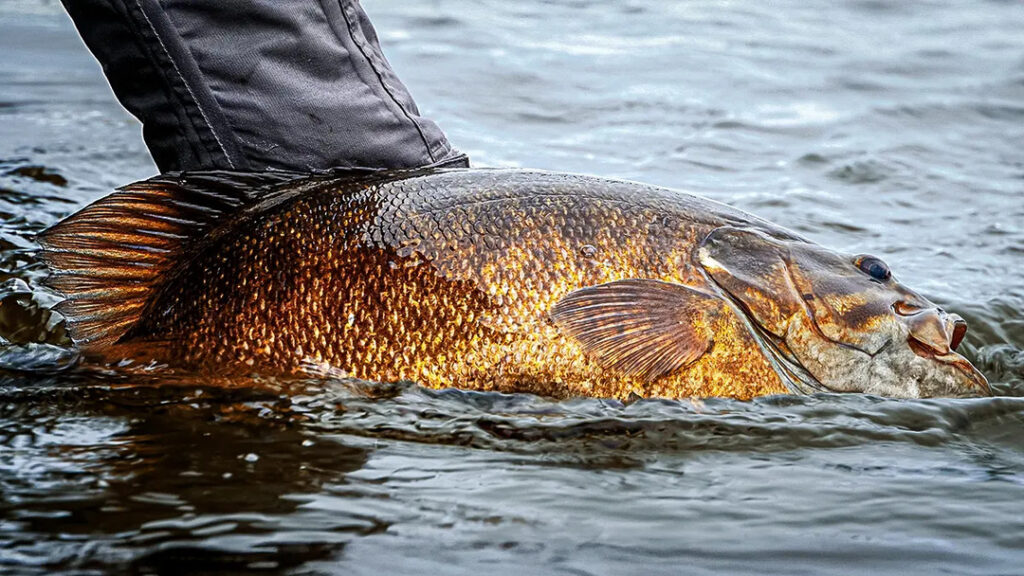
For many anglers, the pre-spawn period represents the best opportunity of the year to catch trophy-sized largemouth bass. Female bass are often at their heaviest weight during this stage, carrying eggs and feeding aggressively.
Because of this combination of size and activity, many of the largest bass caught each year are landed during the weeks leading up to the spawn.
Anglers who spend time studying seasonal movement patterns and identifying staging locations frequently find themselves rewarded with impressive catches during early spring.
Spring Signals the Start of a Productive Bass Fishing Season
As March progresses across the southern United States, bass fishing activity is continuing to build momentum. Rising water temperatures, longer days, and improving weather conditions are creating ideal circumstances for anglers eager to return to the water.
The pre-spawn phase offers a unique combination of opportunity and excitement. Bass are active, feeding heavily, and beginning their seasonal migration toward shallow spawning grounds. These conditions allow anglers to target fish in predictable areas while experimenting with a variety of techniques.
For fishing enthusiasts across the South, the arrival of spring marks the beginning of one of the most productive stretches of the freshwater fishing calendar. With favorable conditions continuing to develop, bass anglers can expect the action to remain strong in the weeks ahead as spawning season approaches.