

The Lake Murray fluke bite did not just hand anglers another soft-plastic talking point. It reminded bass fishermen that even in an electronics-heavy tournament era, herring lakes still punish anyone who cannot read timing, surface movement, wind, distance, and fish mood fast enough.
The Phoenix Bass Fishing League All-American at Lake Murray became a showcase for classic herring-lake instincts, with soft jerkbaits, topwater looks, schooling fish, points, brush, cane, and offshore groups shaping the tournament conversation. Bass Lake Roadhouse readers have already seen why soft jerkbait tricks still matter on herring lakes, but this event made the lesson sharper: the fluke is not a beginner bait. It is a decision-making bait.
The Fluke Was Simple, But The Read Was Not
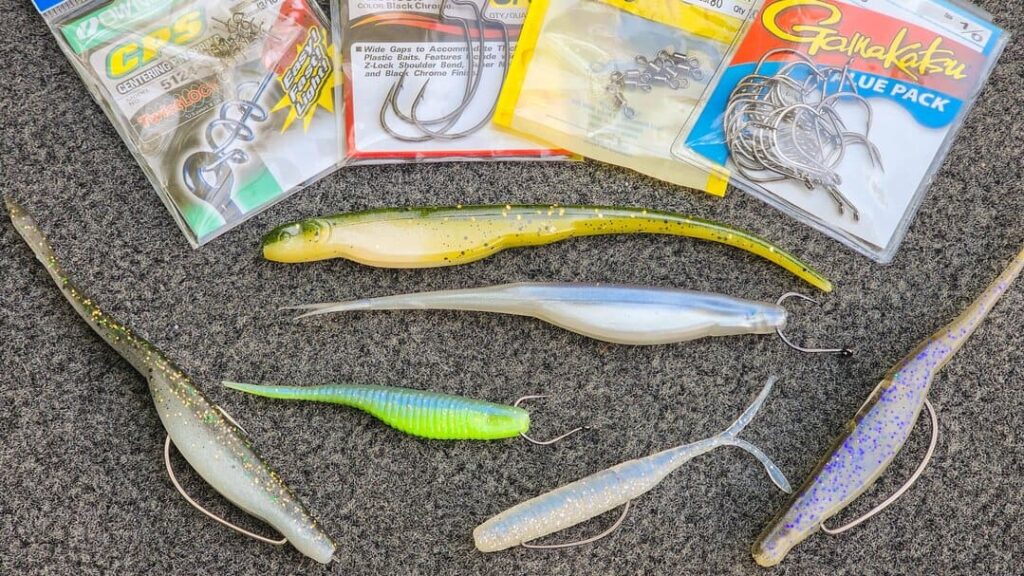
A Zoom Fluke or fluke-style soft jerkbait can look almost too basic beside today’s expensive electronics and specialized hard baits. That is part of its power. It gives a bass a clean, fleeing profile without forcing the angler into one rigid retrieve.
Lake Murray’s All-American lure story made that clear. The latest MLF Lake Murray All-American lure breakdown showed how much the event leaned on herring staples, especially soft jerkbaits and subtle presentations around active fish. Jack Story, who became the youngest All-American winner at 18, used classic herring tools to turn offshore schooling opportunities into a title.
The important part is not simply that flukes caught bass. The important part is that anglers had to know when to fire them, where to throw them, and how to keep them looking alive without overworking them.
Simple baits expose bad reads. A soft jerkbait will not save an angler who casts it into dead water, ignores wind, or misses the right angle. It works best when the fisherman already understands why bass are set up to chase.
Lake Murray Fluke Bite Lessons Start With Blueback Herring
Blueback herring lakes are different from shad-driven reservoirs. Herring roam. They pull bass away from obvious cover. They make long points, high spots, brush, cane, shoals, and open-water lanes more important than they may look on a map.
That is why a fluke remains so dangerous. It can mimic a baitfish that has separated from the school, but it can also be worked with enough speed to stay in the game when bass are moving fast. On a lake like Murray, that balance matters.
A topwater can call fish up when they are aggressive. A jerkbait can control depth and cadence. A swimbait can cover water with a steady profile. The fluke sits between all of them. It can dart, glide, pause, fall, skip, and disappear just long enough to make a following bass commit.
The best herring anglers understand that the bait is only half the equation. The other half is recognizing when bass are positioned to feed upward. If fish are using a point to trap herring, a fluke can look perfect. If they are suspended but inactive, the same cast can look empty.
Electronics Helped, But They Did Not Replace Instinct
Forward-facing sonar has changed tournament fishing, and no serious angler should pretend otherwise. It helps anglers identify fish, follow movement, and understand how bass respond to presentations in real time.
But Lake Murray showed the limit of the screen. Seeing fish is not the same as making them bite.
Some fish were around brush. Some were near cane. Some were schooling in open areas. Some were not locked directly onto the cover anglers had marked. That forced competitors to blend electronics with older herring-lake judgment: make long casts, rotate through high-percentage places, read the wind, and recognize when a school was ready instead of merely present.
Electronics confirm opportunity. They do not automatically create timing, confidence, or the right retrieve. The angler still has to decide whether to slow down, keep moving, change color, change angle, or wait for the next surface-feeding window.
That is where the fluke becomes more than a lure. It becomes a test of restraint. Work it too fast and it can leave fish behind. Work it too slowly and it can lose the fleeing-bait illusion. Pause it at the wrong time and followers drift away. Kill it at the right time and a hesitant bass suddenly has no choice.
Herring Lakes Reward Anglers Who Fish The Conditions
The Lake Murray conversation fits a broader herring-lake rule: conditions decide which version of the same bait shows up. A soft jerkbait in wind is not the same tool as a soft jerkbait on a slick, sunny point. A bright color in clouds can create a better target. A more natural look in clear, calm water can keep wary fish interested.
Bassmaster’s herring-lake advice from Patrick Walters on must-have baits for blueback herring lakes reinforces the practical point: topwaters, flukes, and cleanup baits all have a role because herring bass do not stay in one mood all day.
That is why tournament anglers cannot treat the fluke like a magic answer. They have to treat it like a flexible tool.
| Condition Or Situation | What It Usually Changes | Best Fluke Adjustment |
|---|---|---|
| Wind on points | Bass may push bait shallower or feed higher | Make longer casts and work faster across feeding lanes |
| Slick water | Fish often inspect more closely | Use softer twitches, longer pauses, and cleaner presentations |
| Schooling activity | Bass are competing and reacting quickly | Fire immediately and keep the bait moving with urgency |
| Fish around brush or cane | Bass may suspend near cover but feed upward | Bring the bait above the cover without burying it |
| Followers without bites | Fish are interested but not committed | Change cadence, angle, size, or color before leaving |
The table shows why one soft jerkbait can behave like several different lures depending on how it is used. The bait did not dominate because it was complicated. It mattered because it let anglers adjust without abandoning the pattern.
Long Casts And Timing Still Separate The Field
The fluke is often at its best when the fish do not know the boat exists. That makes distance critical on clear herring lakes. A long cast gives the bait room to look natural before it enters the strike zone. It also keeps the angler from crowding fish that are already moving, schooling, or suspending under pressure.
Timing is just as important. A point that looks empty at 9:10 can be alive at 9:25. A brush pile that does nothing in calm water can become relevant once wind pushes across it. A school that ignores a bait for 15 minutes can suddenly compete when herring slide higher.
That is why the best Lake Murray-style approach is rarely “sit on one place and hope.” It is a rotation game. Anglers need enough targets to stay around active fish, but enough discipline to recognize when a place is about to fire.
Timing beats tackle clutter on herring lakes. The angler with five rods on the deck still has to be in the right lane when the fish decide to move.
The Bigger Lesson Is Not Nostalgia
It is tempting to frame the Lake Murray fluke bite as an old-school win against modern fishing. That misses the point.
The smarter read is that modern tournament fishing rewards anglers who can combine new information with old instincts. Electronics helped anglers find fish and understand movement. But the bite still came down to presentation, timing, angle, wind, and confidence in a bait that has been fooling bass for a long time.
That is why the Lake Murray fluke bite matters beyond one tournament. It gives everyday anglers a useful reminder: do not confuse simple with outdated. A soft jerkbait still belongs on the deck because bass do not care how advanced the rest of the boat has become. They care whether the bait looks like something vulnerable in the exact moment they are ready to eat.
The next time herring bass start chasing on points, brush, cane, or offshore groups, the best move may not be adding another complicated lure to the rotation. It may be making a longer cast with a fluke, reading the wind better, and trusting the oldest lesson Lake Murray just reinforced: the right bait is only dangerous when the angler understands the window.
The Lake Murray fluke bite is not a throwback. It is a current warning. Herring lakes still reward anglers who can blend technology with feel, speed with patience, and classic soft-jerkbait instincts with sharp tournament decisions.