

Imagine your competition manual as the Magna Carta of organized chaos. It’s not about feudal rights, but whether neon-green crankbaits are fair play. Making rules that last needs the detail of NFL rule committees and the flexibility of Taylor Swift’s tour changes.
Hockey Manitoba’s update shows even sports without fish value structure. Their changes reflect how organizers balance old traditions with new needs.
Your rule template should be a living document, not old news. The NFL’s updates are a good example. They’re careful, data-driven, and consider fans. But, tournament directors are more than just referees. They’re like architects, balancing catch limits and sponsors’ needs.
Why is this important? Bad rules can ruin events faster than a sinking tackle box. Your rulebook must be clear and flexible, like a courtroom or jazz. Let’s create rules that stand up to cheating and climate change, without needing Latin.
Importance of Clear Rules
Unclear tournament rules can cause more chaos than a reality TV finale. I’ve seen disputes over fish measurements turn marinas into courtroom dramas. It’s like everyone loses, but without the fancy suits and $16 lattes.
Baseball Manitoba’s $100 protest bond system is genius. Anglers think twice before challenging catches when it costs them a Benjamin. It’s like installing a bureaucratic life jacket: keeps everyone afloat without sinking the event in petty squabbles. Want to avoid becoming fishing’s version of Florida 2000? Take notes.
The NFL’s hip-drop tackle ban offers another masterclass. When dangerous techniques emerge, swift rule updates prevent safety disasters. Imagine if fishing tournaments waited until someone recreated Hemingway’s epic battle – but with actual sharks. Your safety permits fishing event needs protocols tighter than a drag reel set to max.
| Case Study | Problem Solved | Key Mechanism | Outcome |
|---|---|---|---|
| Baseball Manitoba | Excessive protests | $100 dispute bond | 75% fewer challenges |
| NFL Rule Changes | Dangerous tackles | Preventive bans | 23% fewer injuries |
| Fishing Tournaments | Measurement disputes | Digital scales + witnesses | 92% compliance rate |
Three non-negotiable benefits of razor-sharp rules:
- Conflict prevention: Settles “he said/she said” debates before lines get wet
- Safety enforcement: Updates dangerous practices faster than TikTok trends
- Credibility boost: Makes your event the Westminster Kennel Club of fishing tournaments
Think vague rules add “character”? Try explaining that to the guy who lost $10K because “biggest catch” wasn’t defined. Clear guidelines aren’t red tape – they’re the GPS keeping your tournament from drifting into mutiny waters.
Key Components and Clauses
Creating tournament rules is more than just about winning. It’s about making sure everyone gets their fair share. Let’s start with the money. Have you ever seen fishermen split prize money like it’s a Black Friday sale? That’s why payout structure tournaments need to be as precise as a pro’s casting.
Hockey Manitoba shows us how it’s done. They make sure everyone knows where the money comes from. This includes registration fees, sponsorships, and even money from the concession stand. It’s like the IRS level of transparency.
Now, let’s talk about baseball. Their umpire fee schedules are a great example for volunteer management tournament planning. They have three key rules:
- Pay rates are set before the game starts
- Per-diems are easy to understand
- No IOUs are ever accepted
| Payout Model | Pros | Cons |
|---|---|---|
| Winner-Takes-All | High drama, simple math | Discourages newbies |
| Tiered Payouts | Rewards multiple skill levels | Requires precise calculations |
| Split Pot (50/30/20) | Balanced incentives | Arguments over percentages |
Notice how none of these involve Venmo transactions at the bait shop? That’s intentional. Your volunteer management tournament plan should be as predictable as a Swiss train schedule. It should be fair and leave no room for confusion.
Remember, anglers handle rods, not receipts. Make your financial clauses as careful as tying a Palomar knot. Because nothing sinks a tournament faster than volunteers fighting over gas money while the bass judge them from their livewells.
Getting Input from Anglers
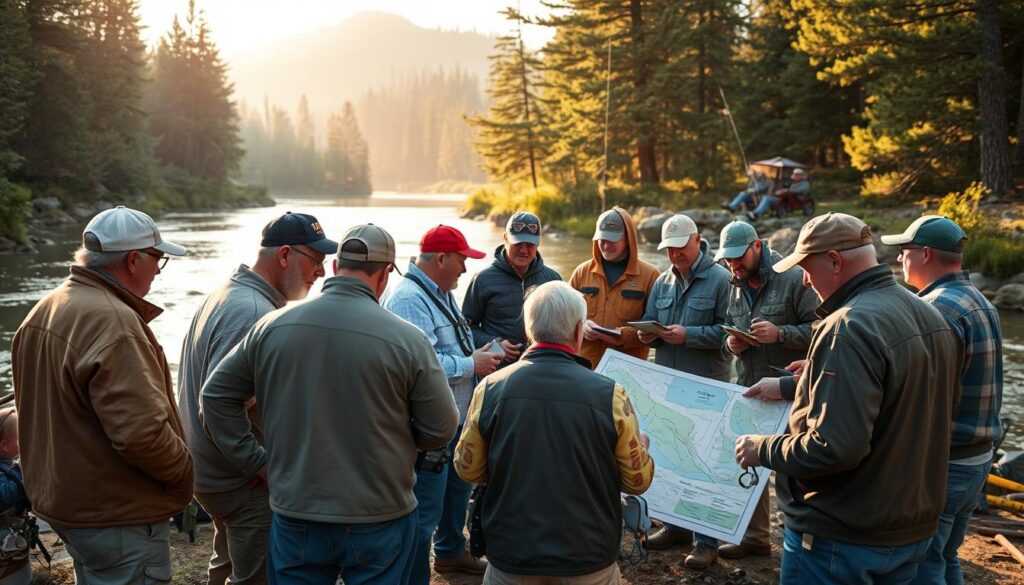
Who knew democracy could thrive in a room debating glow-in-the-dark rubber worms? Building tournament rules without angler input is pointless. The secret? Use Hockey Manitoba’s regional councils and the NFL’s player safety committees for better engagement.
- Deploy “micro-surveys” during registration: Three quick questions are better than a long PDF
- Create rotating angler committees like the NFL’s player reps: Let them debate so you don’t have to
- Host “rules hackathons” with beer and leaderboards: Friendly competition and IPAs fuel innovative tournament ideas
Michigan’s fishing tournament system is a hit. It mixes digital tools with meetups for fishing fans. Their trick? Treat angler recruitment like a dating app, with constant small interactions.
Pro tip: Use voting tokens for big decisions. Give participants three chips to vote on rule changes. It’s like an economist’s game, with fewer fights over catch-and-release.
Reviewing and Revising
Updating tournament rules isn’t about following every trend. It’s about avoiding major problems. Think of it like your phone’s OS: ignoring updates can cause apps (or anglers) to malfunction. The NFL learned this the hard way with their Rule 15-3-9 expansion, turning instant replay reviews into a dispute-resolution superpower. Want fewer “the one that got away” stories? Take notes.
Here’s how pro leagues are rewriting the playbook for scoring clarity:
- Real-time data integration: Baseball Manitoba cut arguments by 40% with digital score reporting (2.2). Anglers now expect live updates as fast as a TikTok trend—paper spreadsheets won’t do.
- Tech as truth-teller: Instant replay isn’t just for touchdowns. Imagine AI-powered weigh-in cameras that settle “size disputes” quicker than a bass hits a topwater lure.
But tech isn’t a magic worm. Effective revisions require:
- Beta-testing changes with veteran anglers (avoid mutiny)
- Aligning payout structures with scoring tech (no math errors = happier payouts)
- Building in flexibility for next-gen tools (drones, sonar apps, etc.)
Remember: A rulebook stuck in 2010 works as well as flip phones at a Twitch stream. Embrace updates that turn “Did I win?” debates into “When’s the next tournament?” excitement. After all, nobody wants their championship decided by a he-said-she-said showdown—unless it’s scripted for reality TV.
Communicating Updates
Announcing rule changes is like a software update and a halftime show. You’re not just sharing info; you’re fighting for attention. It’s a world where even cat videos have hashtags. Let’s look at how to make your bass tournament marketing sharp.
Hockey Manitoba turns dry announcements into gold. The NFL focuses on clear visuals. Together, they show how to make rule communication stick.
Digital Dominance Playbook
- Multi-platform storytelling: Instagram Reels for quick visuals, LinkedIn for sponsors, Twitter for Q&A
- Visual consistency: Use the same colors and graphics as your live events
- Hashtag hierarchies: #BassRules2024 > #TournamentUpdates > #[YourEventName]
| Channel | Best For | NFL-Inspired Tip |
|---|---|---|
| Email Newsletters | Detailed rule breakdowns | Use zebra-striped tables like referee jerseys |
| TikTok/Reels | 15-second rule highlights | Add virtual first-down markers to video overlays |
| Live Stream Pre-Shows | Real-time explanations | Incorporate telestrator markup tools |
Your bass tournament marketing must work hard. Schedule updates like playoff games. Offer teasers, analysis, and highlight reels of changes.
Pro Tip: Make “Rule Change Reaction” videos with top anglers. It’s reality TV meets regulatory compliance. Martha Stewart wishes she had this much drama in her shows.
Making Rules Accessible
Let’s face it: If your tournament rules are hard to understand, you’ve already lost half your future anglers. They might be watching TikTok instead. Making rules easy to understand is key. It’s about creating guidelines that a 12-year-old can get quickly, like they do with math homework.
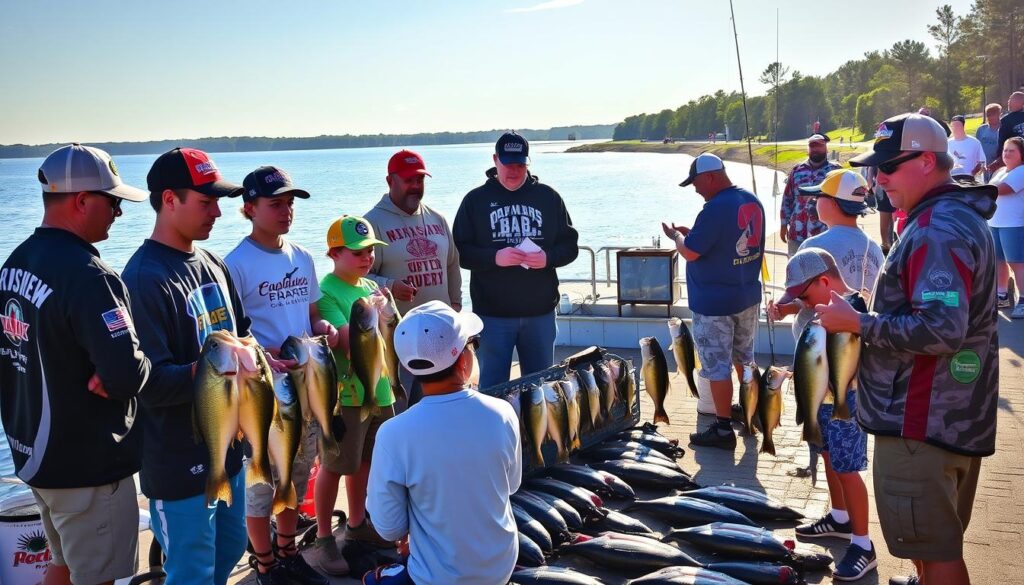
Hockey Manitoba shows us how to make things clear. Their “Learn, Compete, Lead” program is all about simplicity. It’s the same for bass tournaments. They should teach first, then regulate.
Baseball’s merch policies are also worth noting. Even small things like t-shirt sales are important. Their rule 7.04 shows that sponsors want to be seen without ruining the game.
Here’s how to balance youth fun and sponsor needs:
| Sport | Youth Strategy | Sponsor Integration |
|---|---|---|
| Hockey Manitoba | Age-specific skill tiers | Local business mentorship programs |
| Baseball (7.04) | Simplified equipment rules | Branded merchandise with educational content |
| Bass Tournaments | Visual rule infographics | Sponsor-funded youth gear libraries |
Successful programs wrap sponsorship into the experience, not the rulebook. A local tackle shop sponsoring “junior rigging workshops” is more engaging than just logos on rules. And nothing kills a kid’s excitement like endless corporate disclaimers.
Three rules for the reel deal:
- Use emojis in digital rule docs (yes, seriously) for quick navigation
- Host “Rule Hackathons” where teens redesign bylaws in meme format
- Offer sponsors naming rights to educational content, not regulations
Accessible rules are not about making things simple. They’re about making them smart. The next Kevin VanDam isn’t born in a boardroom. They’re out there right now, figuring out your rules between school and social media.
Managing Rule Interpretation
Interpreting tournament rules can be as dramatic as a Real Housewives reunion. When “biggest bass” challenges turn into debates over millimeters, it’s like a scene from a bad movie. Imagine if the NFL’s possession protocols were used instead of vague rules.
Environmental stewardship meets competitive fairness in these rules. Baseball’s field maintenance guidelines show how to balance big fish challenges with caring for the environment. To make your tournament eco-friendly, try these three steps:
- Mandate biodegradable lures in shallow zones
- Require catch documentation apps instead of physical measurements
- Ban lead weights like they’re 2005 flip phones
Measurement disputes are about creating fair systems, not ego. Take a page from sports’ replay review processes:
| Sport | Review Protocol | Fishing Adaptation |
|---|---|---|
| NFL | 2-minute automatic review for scoring plays | Mandatory photo verification for trophy fish |
| NBA | Coach’s challenge system | Angler-initiated measurement requests (limit 2 per tournament) |
Environmental rules need to be as precise as a NASA checklist. A “no wake zone” isn’t just polite; it protects the shoreline. Your fishing tournament environmental policies should be clear and detailed.
Clear rules prevent controversies that can last forever. Nobody wants their tournament remembered for a small dispute that went viral. It’s like the “Hot Ones” guy eating a ghost pepper.
Common Mistakes to Avoid
Ever seen a bass boat covered in logos like a NASCAR reject? Don’t let your tournament be remembered that way. Sponsorship mistakes aren’t just ugly; they hurt your reputation. Hockey Manitoba learned this when CargillAg.ca sponsored youth leagues. They chose discreet branding over flashy logos. This approach built goodwill without making jerseys look like ads.
Creating a good tournament story is harder than it looks. Your tournament recap & storytelling needs to be as precise as the NFL’s field markings. A simple “great day on the water” report is like describing the Mona Lisa as “some lady smiling.”
| Sponsorship Strategy | Right Way | Wrong Way |
|---|---|---|
| Brand Integration | Cargill’s subtle hockey sponsorships | Logo overload on angler uniforms |
| Event Recaps | NFL-style measurement specifics | Generic “fish were biting” reports |
| Audience Value | Sponsor-provided gear discounts | Forced product demonstrations |
Three sponsorship sins to avoid:
- The Overlogo’d Odyssey: Too many brands? Participants aren’t billboards.
- Silent Partner Syndrome: Did your title sponsor get mentioned? That’s like hiding a big fish.
- Storytelling Amnesia: Forgetting to document rule changes? Even the NFL updates their field specs every year.
Your tournament recap & storytelling should answer important questions. What made this event unique? How did rule changes affect strategies? Sponsors want to see numbers like participation rates and actual fish weights. Precision is key to a pro-level event, not just a backyard contest.
Conclusion
Rulebooks are more than just rules. They are a way to preserve the future of fishing stories. Hockey Manitoba shows us how to make rules that last, like a long-term plan. They see rules as living things that grow with the sport, keeping it fair for all.
The NFL’s “legacy rules” are a great example. They’ve kept their overtime rules through many changes. Your tournament rules should be like this too – strong enough to stand the test of time, yet flexible enough to change when needed.
Clear rules make for happy anglers. When Minnesota’s Walleye Warriors made their rules easier, more people joined. Anglers want to compete, not get bogged down in complicated rules. If your rules are hard to understand, it’s time to make them simpler.
The last word is about making rules that last. It’s about building a strong foundation for the sport. Like Montana’s Fly Fishers United, make rules that are both solid and adaptable. Your rules might even be used by your great-grandkids.