

Bass fishing regulations are entering a more restrictive era, and serious anglers can feel the shift on the water before they ever read a rulebook. Across regions, fisheries managers are moving toward lower harvest limits, larger size requirements, and stronger spawning-season protections changes that could reshape how bass anglers fish, compete, and conserve.
For years, bass fishing has been defined by abundance, access, and a powerful catch-and-release culture. But the next phase of fisheries management is becoming more precise, more regional, and more protective. The message is clear: the future of bass fishing will depend not only on catching fish, but on understanding why more rules are coming.
Why Bass Fishing Regulations Are Getting Stricter
The tightening of bass fishing regulations is not happening in isolation. It reflects a broader shift in recreational fisheries management: more pressure on popular waters, better biological monitoring, heavier tournament activity, improved angler efficiency, and growing concern over spawning success.
Modern anglers are simply better at finding fish. Forward-facing sonar, mapping chips, live imaging, advanced electronics, high-performance boats, and social media-driven information sharing have narrowed the gap between expert knowledge and everyday access. A lake that once held secrets for decades can now be dissected in a weekend.
That increased efficiency creates a management challenge. Even when many bass anglers release fish, targeted pressure during sensitive periods can affect fish behavior, spawning success, and survival rates. A bass caught repeatedly on a bed, removed from a nest, mishandled in warm water, or transported across a lake for weigh-in may technically survive but survival alone is not the only conservation measure that matters.
The newer generation of bass fishing regulations is designed to manage total impact, not just harvest. That means agencies are looking at size structure, recruitment, spawning protection, fish handling, habitat stress, and localized pressure.
How New Fishing Rules Are Changing The Bass Angler’s Reality
The most visible regulatory changes usually fall into three categories: lower catch limits, bigger minimum sizes, and stronger protections for spawning fish. Each one changes angler behavior in a different way.
| Regulatory Trend | What It Means For Anglers | Conservation Purpose |
|---|---|---|
| Lower daily limits | Fewer fish may be legally harvested per day | Reduces total removal from heavily pressured waters |
| Bigger minimum sizes | Smaller fish must be released immediately | Allows fish to mature and spawn before harvest |
| Slot limits | Fish within a protected size range must be released | Preserves prime breeding-age bass |
| Seasonal closures | Fishing may be restricted during spawning windows | Protects nesting fish and reproductive success |
| Catch-and-release periods | Anglers can fish but cannot keep bass | Maintains access while protecting populations |
| Gear or tournament rules | Livewell, culling, or weigh-in rules may tighten | Reduces stress, delayed mortality, and handling damage |
These rules do not always mean a fishery is collapsing. In many cases, stricter bass fishing regulations are preventive. Managers are trying to avoid the kind of decline that forces emergency closures or severe long-term restrictions.
Lower Catch Limits Signal A More Conservative Management Era
Lower catch limits are one of the clearest signs that fisheries managers are moving toward caution. A daily limit reduction may seem small on paper, but across thousands of anglers and hundreds of fishing days, the cumulative effect can be significant.
For bass anglers, lower limits can also change the psychology of a day on the water. Keeping a legal limit has long been a benchmark for some recreational fishermen, especially in regions where bass are regularly harvested for food. When limits shrink, anglers are pushed toward selectivity. The question becomes not “How many can I keep?” but “Which fish, if any, should I keep?”
That shift aligns with modern conservation thinking. Bass are not all equal from a population standpoint. A mature, healthy female has different reproductive value than a young, fast-growing fish. Regulations that reduce broad harvest can help maintain a balanced population structure, especially in lakes where larger fish are already under pressure.
The practical takeaway is straightforward: anglers should expect more water-specific rules. Statewide limits may remain, but special regulations for individual lakes, reservoirs, rivers, and management zones are likely to become more common.
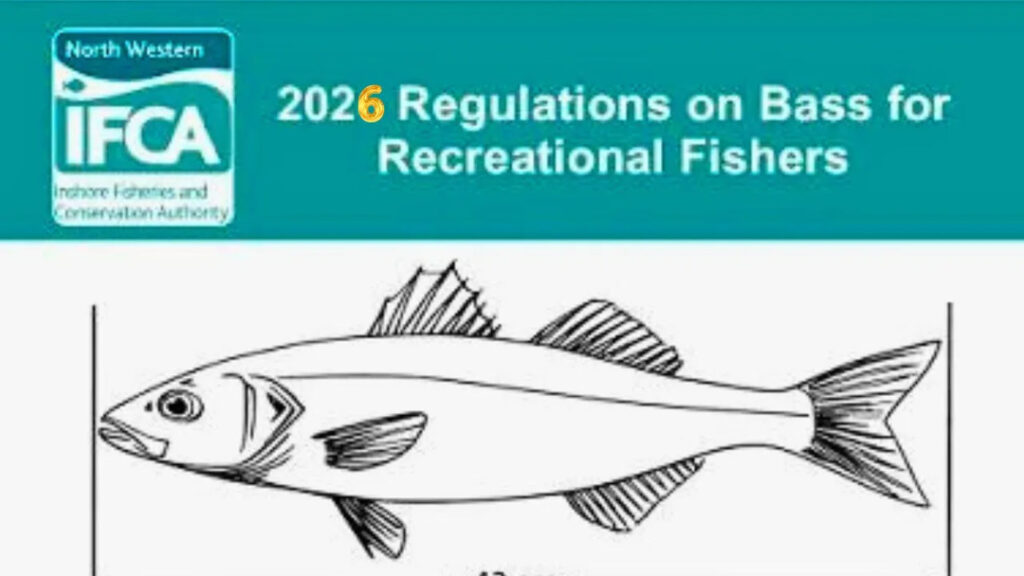
Bigger Minimum Sizes Are About Protecting Tomorrow’s Fish
Minimum size limits are among the most familiar tools in bass management. When the legal minimum increases, it protects younger fish from harvest until they have more time to grow, mature, and contribute to the next generation.
For anglers, bigger minimum sizes may feel frustrating at first. A fish that was legal last season may need to go back this season. But biologically, the logic is easy to understand: if bass are harvested before they reproduce effectively, the population can lose future strength even when adult fish still appear abundant.
Bigger minimum sizes also help improve fish quality. In many waters, protecting fish through early growth stages can increase the number of catchable bass and improve the odds of encountering larger fish later. That matters for recreational enjoyment, tournament quality, tourism value, and long-term fishery reputation.
The strongest bass fishing regulations are often built around local growth rates. A 14-inch minimum may make sense in one system, while another lake may need a different threshold. Fast-growing southern reservoirs, clear northern lakes, tidal rivers, and pressured urban fisheries all behave differently.
Spawning Protections Are Becoming More Important
The most sensitive period in bass fishing is the spawn. During this window, fish are concentrated, visible, aggressive, and vulnerable. Bed fishing can produce memorable catches, but it also raises difficult conservation questions.
A bass guarding a nest is not behaving like a normal feeding fish. It is defending eggs or fry. When that fish is repeatedly caught, moved, stressed, or delayed from returning, the nest may become vulnerable to predators. In clear-water systems where bedding bass are easy to see, pressure can become intense.
That is why more regions are considering or applying stronger spawning protections. These may include:
- Catch-and-release-only seasons before the regular harvest opener
- Artificial-lure-only rules during sensitive periods
- Seasonal closures in specific spawning areas
- Tournament restrictions during peak spawn
- No-cull or immediate-release formats
- Protected slot limits for mature breeding fish
These rules can be controversial because bass fishing culture has historically embraced spring fishing. The spawn is when many anglers return to the water, tournaments fill calendars, and shallow-water tactics become exciting. But from a fisheries perspective, the spawn is also when small decisions can have outsized consequences.
Why Tournament Bass Fishing Is Under More Scrutiny
Tournament fishing is one of the most influential forces in bass culture. It drives innovation, media attention, sponsorship, local spending, and angler participation. It also creates concentrated pressure.
Traditional tournament formats can involve catching fish, placing them in livewells, transporting them, weighing them, and releasing them away from the capture site. Even when mortality appears low, concerns remain about stress, delayed mortality, displacement, oxygen depletion, warm-water handling, and repeated capture.
This does not mean tournament fishing is inherently harmful. Well-run events with strong fish-care protocols can operate responsibly. But the regulatory trend is moving toward higher expectations.
Future bass fishing regulations may increasingly affect tournaments through:
- Reduced possession limits during events
- Mandatory release boats or release-site protocols
- Temperature-based fish-care requirements
- Restrictions during spawning periods
- Catch-weigh-release or catch-photo-release formats
- Limits on culling or transporting fish
- Stronger penalties for fish-care violations
The direction is clear: tournament organizations will need to prove that competition and conservation can coexist. Events that adapt early will have an advantage.
Technology Is Changing The Conservation Equation
One reason regulations are tightening is that fishing technology has changed faster than many rulebooks. A skilled angler with advanced sonar can now locate individual fish, track offshore schools, identify structure, and make repeated presentations with remarkable precision.
That efficiency has transformed bass fishing. It has also complicated management.
Older regulations were created for a world where fish had more refuge. Deep fish, suspended fish, offshore fish, and isolated structure fish were harder to locate consistently. Today, fewer fish are truly hidden. Pressure can follow them from shallow spawn to offshore summer patterns to wintering areas.
This is why bass fishing regulations may eventually move beyond simple length and bag limits. Agencies and tournament bodies may increasingly examine electronics use, seasonal pressure, and fish-handling methods. Even when broad public restrictions are unlikely, specific events, youth circuits, trophy lakes, or conservation zones may experiment with tighter rules.
The future will not be anti-technology. But it may become more intentional about how technology affects fish populations.
The Conservation Case For Stricter Rules
The strongest argument for tighter bass fishing regulations is simple: good fishing depends on healthy fisheries. Without recruitment, habitat, age diversity, and spawning success, even famous bass waters can decline.
Bass populations are shaped by several pressures at once. Harvest is only one factor. Habitat loss, shoreline development, vegetation removal, water-level fluctuations, invasive species, warming water, pollution, and angling pressure all interact. Regulations cannot solve every problem, but they can reduce avoidable stress.
A strong regulatory framework gives fisheries managers tools to respond before a decline becomes obvious to the public. By the time anglers widely notice fewer quality fish, the biological trend may already be years old.
This is why proactive management matters. The best time to protect a bass fishery is before anglers believe it is in trouble.
The Angler’s Role In A More Regulated Future
Stricter rules can feel like a loss of freedom, especially to anglers who have practiced responsible catch-and-release for years. But the angler’s role is becoming more important, not less.
Regulations create the floor. Angler ethics create the ceiling.
A legal fish can still be handled poorly. A released bass can still suffer if kept out of water too long. A tournament can follow the rulebook and still fall short of best conservation practice. Responsible anglers increasingly understand that compliance is only the beginning.
Practical conservation habits matter:
- Keep fish in the water as much as possible
- Use proper landing and handling techniques
- Avoid excessive air exposure during photos
- Release fish quickly in warm water
- Use appropriate tackle to reduce exhaustion
- Respect spawning areas and visible beds
- Know water-specific rules before launching
- Support habitat restoration and clean-water efforts
These behaviors are not symbolic. They directly affect survival, reproduction, and fishery quality.
What Bass Anglers Should Watch For Next
The next wave of bass fishing regulations will likely be more localized, data-driven, and seasonal. Instead of one broad rule applying everywhere, anglers should expect more special regulations based on waterbody conditions.
Several developments are worth watching.
More Lake-Specific Rules
Individual lakes may receive custom limits based on growth rates, fishing pressure, population surveys, habitat conditions, and trophy potential. This is especially likely on popular reservoirs and destination fisheries.
Expanded Catch-And-Release Seasons
Catch-and-release periods allow fishing access while reducing harvest during vulnerable windows. These rules are likely to remain attractive because they balance recreation and conservation.
Greater Spawning-Area Protection
Shallow flats, coves, marshes, river backwaters, and known spawning zones may receive more attention. Some areas may face temporary restrictions if pressure becomes too intense.
More Tournament Oversight
Permits, fish-care plans, livewell requirements, and release protocols may become stricter. Competitive bass fishing will remain strong, but its conservation obligations will grow.
Clearer Public Communication
Anglers often struggle with overlapping rules across state, federal, inland, coastal, and boundary waters. Agencies that simplify messaging will reduce accidental violations and improve compliance.
For official regulatory frameworks and fishery management context, anglers can review current bass fishing regulations through a trusted federal fisheries resource.
Why This Matters Beyond Bass Fishing
The tightening of bass fishing regulations reflects a larger truth about outdoor recreation: access and conservation are becoming inseparable. As more people fish, hunt, boat, camp, and travel, natural resources face heavier use. The old assumption that freshwater fisheries can absorb unlimited pressure no longer holds.
Bass are particularly important because they sit at the center of American sport fishing. Largemouth, smallmouth, spotted bass, and related black bass fisheries support tackle companies, boat manufacturers, guides, tournaments, tourism boards, media platforms, and local economies. When bass fishing quality declines, the impact spreads beyond anglers.
A healthy bass fishery is not just an environmental asset. It is an economic engine and a cultural institution.
That is why tighter rules should be viewed not only as restrictions, but as long-term investment. A lake with strong year classes, good habitat, balanced harvest, and responsible angling pressure can produce value for decades. A poorly managed lake can lose its reputation quickly.
The Tension Between Access And Protection
Every regulation creates tension. Anglers want access. Managers want sustainability. Businesses want participation. Conservationists want protection. Tournament organizations want opportunity. Local communities want visitor spending.
The challenge is finding the point where these interests reinforce rather than undermine one another.
Too little regulation can lead to decline. Too much regulation can frustrate anglers, reduce participation, and weaken public support for conservation funding. The most effective bass fishing regulations must be clear, enforceable, biologically justified, and publicly understandable.
Anglers are more likely to accept stricter rules when they understand the reason behind them. A rule that protects spawning fish, preserves trophy potential, or rebuilds a pressured population can earn support if agencies explain the tradeoff honestly.
The future of regulation will depend heavily on trust. Fisheries managers need accurate data and transparent communication. Anglers need to see themselves as partners, not targets.
A Practical Checklist Before Your Next Trip
Before launching, bass anglers should treat regulation checks as part of preparation, just like charging batteries or checking line.
Key questions include:
- What is the daily bass limit on this specific water?
- Is there a minimum length, maximum length, or protected slot?
- Is the season open for harvest, catch-and-release only, or closed?
- Are artificial lures required during certain periods?
- Are there special tournament rules or permit conditions?
- Are spawning areas restricted?
- Do regulations differ between connected waters or state lines?
- Has the rule changed since last season?
This habit matters because fishing rules are no longer static. A regulation that was correct last year may be outdated now. Serious anglers need to think like professionals: verify first, fish second.
The Bottom Line For Bass Anglers
Bass fishing is not becoming less important. It is becoming more carefully managed. That is the real meaning behind stricter limits, bigger size requirements, and stronger spawning protections.
For everyday anglers, the adjustment may be simple: keep fewer fish, measure more carefully, release faster, and pay closer attention to local rules. For tournament anglers, the adjustment may be larger: better fish care, alternative formats, and more accountability. For the industry, the message is unmistakable: conservation is no longer a side conversation. It is central to the future of the sport.
The best bass anglers have always adapted. They adapt to weather, water clarity, fishing pressure, forage changes, and seasonal movement. Now they must adapt to a regulatory environment built around long-term sustainability.
The Future Of Bass Fishing Depends On Smarter Rules
The tightening of bass fishing regulations is not a temporary inconvenience. It is part of a broader evolution in how fisheries are protected, measured, and shared. Lower catch limits, larger size rules, and spawning protections all point toward the same priority: keeping bass populations resilient in a time of heavier pressure and better angling technology.
For anglers, the opportunity is clear. Those who understand the rules, respect the biology, and embrace conservation-minded fishing will be better positioned for the future. The waters that thrive tomorrow will be the ones managed wisely today and bass fishing regulations will be one of the most important tools shaping that outcome.