

The Kentucky Lake Bassmaster Open has moved from comeback preview to live tournament test, and Riley Nielsen’s Day 1 lead gives the event exactly the kind of tension it needed. With 23 pounds, 5 ounces on the opening day at Kentucky Lake/Lake Barkley, Nielsen did more than grab the top spot; he gave the fishery’s revival storyline a measurable first signal.
Kentucky Lake Bassmaster Open Gets Its First Real Proof Point
The strongest angle here is not simply that Nielsen leads. The stronger story is that Kentucky Lake/Lake Barkley is being judged in real time as a tournament venue. This event had already been framed around the fishery’s improving bass potential after years of concern tied to Asian carp pressure, but tournament talk only goes so far. Day 1 weights start to turn that conversation into evidence.
Nielsen’s 23-5 opening bag put him narrowly ahead of Jack York, who weighed 23 pounds even, while Tristan McCormick started third with 21-9. That top-three spread matters because it did not create a runaway after one day. It created a competitive board with enough quality at the top to make Day 2 feel meaningful.
The official Kentucky Lake Bassmaster Open Day 1 report also gives the event a sharper tournament hook: Nielsen’s lead came with only a slim margin, which means the next round is not about protecting a comfortable advantage. It is about proving whether the opening pattern can survive more pressure.
Nielsen’s Lead Is Strong, But Not Safe
A five-ounce lead is useful, but it is not security. In bass fishing terms, that margin can disappear with one cull, one better keeper, or one missed opportunity by the leader. That is why Nielsen’s position should be read as a pressure advantage, not a cushion.
The practical challenge is straightforward. He has to decide how much to trust the areas that produced on Day 1 and how quickly to adjust if those places do not reload. That is where tournament fishing becomes more analytical than casual fans sometimes realize. A strong opening day can be a blessing, but it can also make an angler stubborn if the lake starts saying something different.
York’s position makes the board even more interesting. Sitting five ounces back means he does not need a dramatic comeback. He only needs to keep executing. McCormick, meanwhile, is close enough that another 20-pound-plus day could turn the event into a three-man pressure fight or pull more anglers into the conversation.
That is the appeal of this kind of leaderboard. It creates movement before anything has actually moved yet.
The Day 1 Comparison Shows How Tight This Event Could Get
The opening weights give readers a clean way to understand the pressure points heading into the next round. This comparison is not about declaring a favorite too early. It is about seeing how narrow the competitive window already is.
| Angler | Day 1 Weight | Position | What It Means |
|---|---|---|---|
| Riley Nielsen | 23-5 | 1st | Holds the lead, but the margin is thin |
| Jack York | 23-0 | 2nd | Close enough to overtake with one key upgrade |
| Tristan McCormick | 21-9 | 3rd | Within striking range if quality holds |
| Rest of Field | Chasing | Behind Top 3 | Needs consistency or a bigger bite window |
The table shows the real takeaway: Day 1 did not settle the tournament. It created a narrow top tier and put immediate pressure on everyone behind it. A fishery trying to prove its comeback value benefits from that kind of leaderboard because it suggests the event has both weight and uncertainty.
The Fishery Revival Story Is Still The Bigger Frame
Kentucky Lake’s name still carries weight in bass fishing, but the current conversation is not built only on history. The more useful question is whether the lake can support a modern Bassmaster Open with enough quality, pattern diversity, and leaderboard drama to rebuild confidence.
That is why this event matters beyond Nielsen’s lead. If Kentucky Lake/Lake Barkley produces multiple competitive days, it strengthens the idea that the fishery is moving in a better direction. If the bite tightens sharply, the conversation becomes more cautious. Either way, the tournament gives anglers and fans something more valuable than speculation.
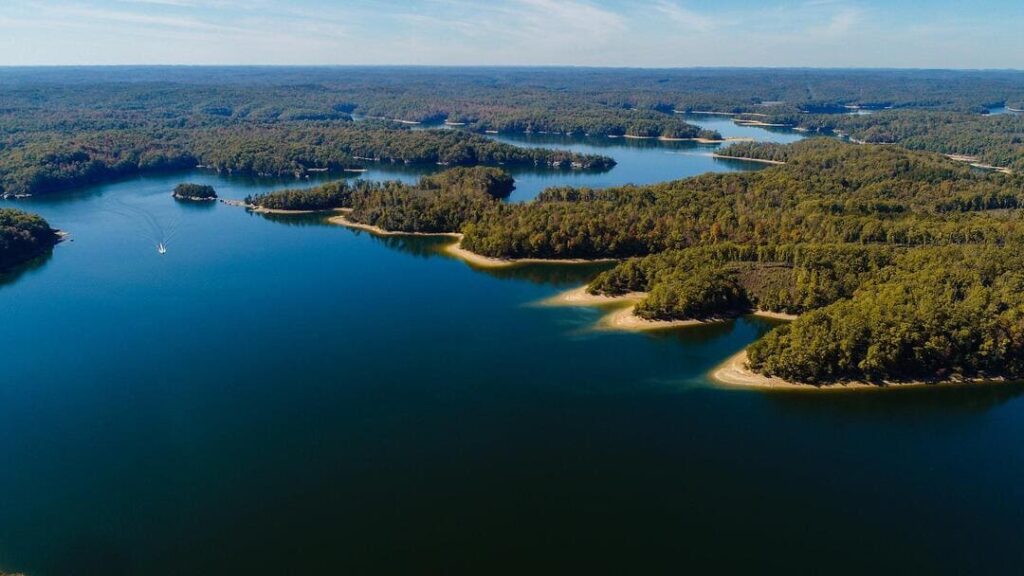
The scale of the system is part of the challenge. The Kentucky Reservoir is a large, complex body of water, and big reservoirs rarely reward lazy assumptions. Anglers have to weigh location, timing, water conditions, pressure, and seasonal fish movement. That complexity is exactly why a strong Day 1 should be taken seriously, but not overplayed.
This is a revival checkpoint, not a final verdict.
Day 2 Will Test Patterns, Not Just Weights
Thursday’s scheduled 6:30 a.m. CT takeoff and 2:30 p.m. CT weigh-in out of Paris, Tennessee, set up a second day that should reveal more than the standings alone. The central question is whether Day 1’s best areas can keep producing or whether the lake forces leaders into fresh decisions.
That matters because Day 2 often separates a good start from a repeatable tournament pattern. One strong bag can come from the right bites at the right time. Backing it up requires a better understanding of fish position and behavior.
For Nielsen, the test is whether he can build on a narrow lead without fishing defensively. For York, the opportunity is obvious: apply pressure immediately and make the leader keep catching. For McCormick, the path is still clear enough to stay aggressive. For the rest of the field, the question becomes whether to chase bigger bites or build a stable limit first.
That tension is useful for readers because it turns the event into more than a scoreboard. It becomes a study in pattern durability.
The Schedule Pressure Makes Every Decision Louder
The Bassmaster Opens are not casual events. They are career-shaping tournaments where anglers are trying to build momentum, earn attention, and keep themselves positioned in a demanding competitive structure. That makes early decisions feel heavier.
For readers who followed the lead-up, the event also connects naturally to the broader conversation around Kentucky Lake’s revival story. Day 1 gave the story a stronger hook, but the next two days will determine whether the tournament feels like confirmation, complication, or something in between.
That is the risk of a comeback narrative. Everyone wants a clean answer. Fisheries rarely provide one. A good opening day can signal progress, but sustained tournament performance is what changes perception. The next round will show whether the lake has enough depth to keep producing or whether the top of the leaderboard tightens into a grind.
The Next Signal Comes From Consistency
The most important thing to monitor is not only who leads after Day 2. It is how the weight is caught. If several anglers keep producing quality bags, the fishery conversation gets stronger. If only one or two anglers separate while the field struggles, the story becomes more dependent on isolated execution.
Pattern diversity also matters. A tournament feels healthier when anglers can catch fish in multiple ways and from different sections of the lake system. That kind of spread suggests the fishery is not relying on one narrow bite window. It also makes the final day more interesting because more anglers can make credible adjustments.
The Kentucky Lake Bassmaster Open matters now because it sits at the intersection of leaderboard pressure and fishery reputation. Nielsen has the early edge, York and McCormick are close enough to make it uncomfortable, and Kentucky Lake/Lake Barkley has a chance to show that its comeback conversation is more than nostalgia. If the next round produces another wave of quality bags, this event could become a meaningful confidence signal for one of bass fishing’s most closely watched tournament venues.