

The Kentucky Lake Bassmaster Open matters because this is more than another stop on the tournament calendar. After years of concern around Asian carp pressure and shifting bass potential, Kentucky Lake/Lake Barkley now gets a major stage to show whether its comeback story is gaining real tournament credibility.
Why The Kentucky Lake Bassmaster Open Has Real Stakes
The next Bassmaster Open begins May 20 and runs through May 22 out of Paris, Tennessee, with daily takeoffs scheduled for 6:30 a.m. CT and weigh-ins at 2:30 p.m. CT. That timing gives the event immediate relevance, but the bigger draw is the fishery itself. Kentucky Lake has long carried a powerful name in bass fishing, yet reputation alone does not win modern tournament attention. The lake has to produce.
That is why this event feels different. The central storyline is not simply who wins. It is whether Kentucky Lake and Lake Barkley can support the kind of competitive, high-interest tournament that rebuilds confidence among anglers, fans, and regional observers. For a fishery that has been discussed through the lens of recovery, the Open becomes a public test.
The official Kentucky Lake Bassmaster Open preview frames the week around improving bass potential, which is exactly the kind of angle that makes this event useful beyond the standings. If the lake produces quality bags and consistent decision-making drama, the takeaway will be larger than one champion.
The Comeback Story Is The Real Headline
Every tournament has a winner, but not every tournament has a fishery trying to change the conversation around itself. Kentucky Lake’s story carries that extra weight. After years of Asian carp pressure, the discussion is no longer only about what the lake used to be. It is about whether the lake is becoming a more reliable tournament venue again.
That is a meaningful shift because anglers judge fisheries through evidence. They do not need nostalgia. They need bites, patterns, quality fish, and enough consistency to make preparation matter. A tournament can expose weakness quickly, but it can also create a credibility reset if the lake performs better than skeptics expect.
The Open format helps sharpen that test. These anglers are not just fishing for a weekend trophy; they are trying to build careers, earn momentum, and prove they can solve complex water under pressure. A recovering fishery creates another layer of difficulty. Competitors have to decide whether to trust history, adjust to new conditions, or blend old knowledge with current fish behavior.
For readers, that is the useful part. Kentucky Lake is not just a venue name. It is a case study in how fisheries evolve, how tournament expectations adjust, and how quickly one strong event can alter perception.
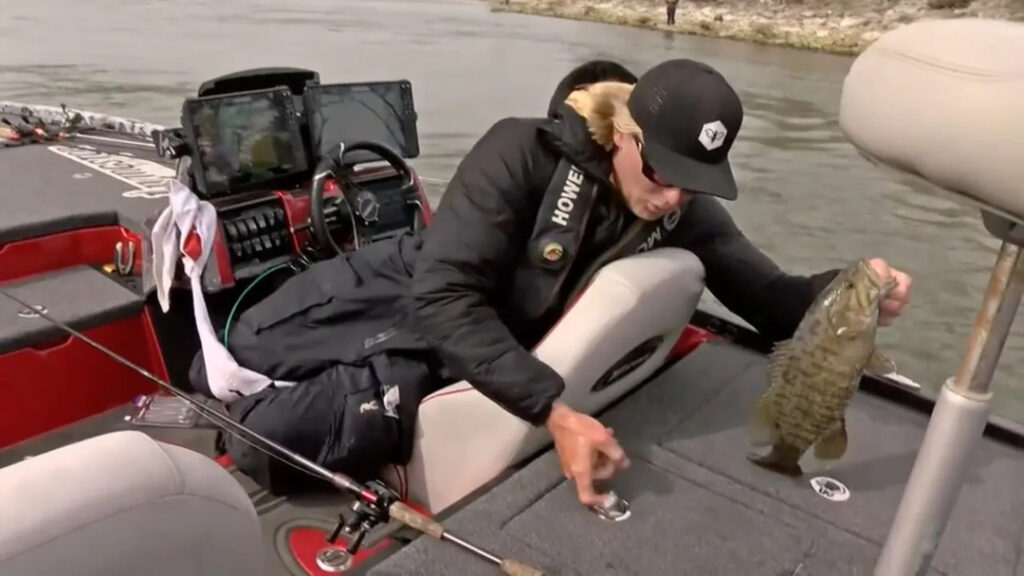
Kentucky Lake And Lake Barkley Create A Different Puzzle
Kentucky Lake and Lake Barkley are often discussed together, but they do not automatically fish the same way on tournament week. Anglers have to think through water clarity, current, seasonal movement, pressure, available cover, and the trade-off between familiar areas and less obvious opportunities. That makes the event more strategic than a simple big-lake power-fishing contest.
The Tennessee Valley Authority’s overview of Kentucky Reservoir also underscores the scale of the system. A large reservoir with extensive shoreline, multiple access points, and a broad recreational footprint gives tournament anglers a lot to sort through. Big water creates opportunity, but it also punishes wasted time.
Here is the comparison that matters most entering the event:
| Tournament Factor | Why It Matters For Anglers | Reader Takeaway |
|---|---|---|
| Fishery reputation | Kentucky Lake has name recognition, but current performance matters most | The event will test the present, not the past |
| Asian carp pressure | Years of concern shaped expectations around bass potential | A strong tournament could shift perception |
| Lake Barkley option | Competitors may weigh risk, distance, and pattern quality | The winning plan may require efficient decisions |
| May timing | Bass may be in transition depending on conditions | Adaptability could matter more than history |
| Open format | Anglers need results, not just respectable finishes | Pressure can force aggressive choices |
The table shows why this is not a routine preview. The best anglers will not simply ask where bass have traditionally lived. They will ask where quality fish are now, how stable those fish are, and whether the risk of running or changing water is worth the time cost.
Why This Event Follows The Santee Cooper Moment Well
The timing is useful for bass-fishing coverage because it follows a major heavyweight storyline at Santee Cooper. That event created a big-fish conversation around pressure, momentum, and whether a lake could keep producing enough quality to make the final day feel unstable. Kentucky Lake presents a different kind of test.
The contrast is valuable. Santee Cooper was about a major Elite Series stage, huge weights, and a leader trying to close the door. Kentucky Lake is about recovery, confidence, and whether a historically important fishery can generate a strong Open-level storyline. Readers who followed the recent Santee Cooper heavyweight finale now get a clean next chapter in the broader bass-fishing calendar.
The two stories also show why tournament bass fishing works well as editorial coverage. One week can be about dominance. The next can be about revival. Both matter because both reveal something about the sport. A dominant win shows how elite anglers handle opportunity. A comeback-fishery event shows how competitors adjust when the water itself is part of the question.
That is where Kentucky Lake has a chance to stand out. It does not need to copy the Santee Cooper script. It needs to produce its own evidence.
The Pressure Point Hiding Beneath The Schedule
The schedule gives the event structure, but the pressure point is confidence. Anglers want to believe that their practice findings will hold. Fans want to believe the fishery is trending in the right direction. Tournament organizers want a competitive event that rewards skill and creates a credible story.
Those expectations can collide quickly. If early weights are strong, the comeback angle gains traction. If the bite is uneven, the discussion becomes more cautious. Neither outcome should be exaggerated, because one tournament cannot define an entire fishery. Still, a major Open can provide a strong public signal.
The most interesting part may be how anglers divide their time between Kentucky Lake and Lake Barkley. Running decisions can shape the event. A long move can pay off if the quality is there, but it can also drain valuable fishing time. Staying closer can provide more casts, but only if the chosen water has enough upside.
That is the kind of decision casual readers may miss. Tournament fishing is not only about catching bass. It is about managing uncertainty with limited time. The best competitors are not always the ones who find the most fish in practice. They are the ones who understand which information still matters once the tournament starts.
The Signals That Could Prove The Revival Is Real
The first signal will be weight quality across the field. One or two good bags can happen almost anywhere. A broader spread of respectable limits would say more about the fishery’s current strength.
The second signal will be pattern diversity. If anglers can catch fish multiple ways, the lake becomes a more interesting tournament venue. If everyone is forced into the same narrow approach, the story becomes less convincing. Diversity creates more strategic depth, and strategic depth makes a tournament easier to follow.
The third signal will be whether quality holds up through all three competition days. A strong opening day gets attention, but sustained production creates belief. If Kentucky Lake/Lake Barkley can keep enough anglers in play deep into the event, the comeback conversation becomes more serious.
The final signal is the winner’s path. Did the champion rely on one isolated stretch, or did the winning pattern show something broader about how bass are using the system? That detail will shape how readers should interpret the result.
Kentucky Lake Bassmaster Open coverage should not treat this event as a simple schedule item. It is a timely test of a fishery trying to rebuild its tournament identity, and that makes the next few days worth watching closely. If the lake produces competitive weights, clear patterns, and legitimate final-day pressure, the opportunity is obvious: Kentucky Lake can move from comeback talk to credible tournament momentum.