

Ever lost a giant bass because your brain was on vacation? That 10-pounder didn’t vanish your attention did. In-the-boat mindfulness isn’t Zen meditation; it’s the raw skill of staying locked in when conditions go sideways.
Hunter Sales’ Dale Hollow win shows this perfectly. He noticed baitfish behavior shifting with the weather and switched tactics like a chess grandmaster. Jason Christie would agree: confidence means knowing you’ll adapt even when your electronics blank out.
This is about becoming the bass fishing version of a Navy SEAL—adaptable, sharp, and ready for chaos. We’re dissecting how top anglers cultivate this hyper-awareness, turning the boat into a mindfulness dojo where every ripple tells a story.
Forget yoga mats. This is about angler focus techniques that separate winners from “almosts.”
Limiting Distractions
Mike Iaconelli’s journey from meltdown maestro to mental ninja shows the real battle is in your mind. Ever tried to focus with your phone buzzing and memories of lost fish? That’s what tournament anglers face every Tuesday.
It’s not about ignoring distractions; it’s about building a mental shield. Iaconelli, once known for his explosive reactions, learned to handle negativity. He treats it like spam, deleting it and moving on with his “next cast” mantra.
This method turns frustration into fuel and anger into action. It’s like mental alchemy for anxious anglers.
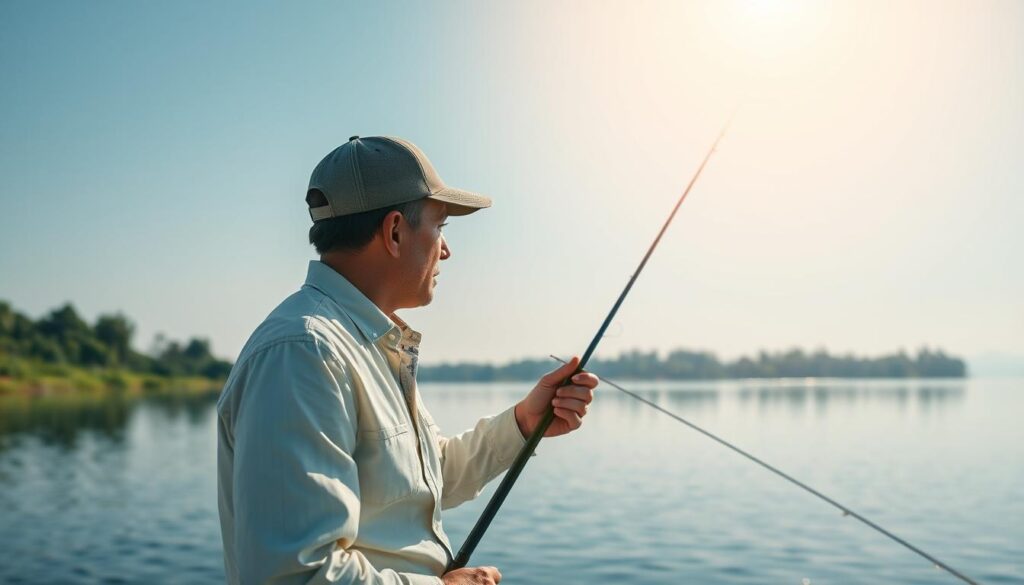
Greg Hackney takes a different route. He avoids overplanning, trusting his instincts instead. It’s like a jazz musician improvising, not a classical musician reading sheet music.
Hackney’s simple approach creates calm in chaos. He focuses on being efficient, not overthinking. This prevents being paralyzed by too much analysis.
Both Iaconelli and Hackney aim to clear their minds. Sometimes, the biggest catch is having a clear head. These tournament mental skills make champions out of participants.
| Angler | Mental Approach | Key Technique | Result |
|---|---|---|---|
| Mike Iaconelli | Emotional recycling | “Next cast” mantra | Transforms frustration into focus |
| Greg Hackney | Minimalist planning | Instinct-based decisions | Avoids analysis paralysis |
| Both Pros | Mental decluttering | Distraction management | Enhanced tournament performance |
The table shows different paths leading to the same goal. Iaconelli turns emotions into focus. Hackney avoids too much thinking. Both master their mental game.
These strategies apply beyond fishing too. Ever had great ideas in the shower? That’s mental decluttering. No phone, just you and the water.
Building a mental fortress takes practice. Start small. Turn off notifications during practice. Use the “next cast” mantra when things go wrong. Trust your instincts when planning feels too much.
The water doesn’t care about your bad day. Fish won’t adjust for distractions. Champion anglers know this truth. Their tournament mental skills give them an edge in chaos.
Anchoring Techniques
Have you ever noticed how top anglers stay calm when things go wrong? They’re not immune to frustration. But they’ve learned to keep their cool by using mental anchors.
Hunter Sales, a former baseball player turned bass pro, introduced the “next pitch” idea. In baseball, you can’t change a strikeout. In fishing, you can’t fix a snagged lure. But you can make the next cast perfect. It’s like Nietzsche’s saying, but with more hooks and less philosophy.
Mike Iaconelli’s performance on the Delaware River is legendary. When his line got tangled in a barge cable, most would have freaked out. But Ike stayed calm, working carefully to free his line.
These angler focus techniques are not just words. They’re tools that help anglers stay focused. And the best part? They’re easy to use.
Here are three anchoring methods the pros use:
- Physical rituals: Re-tying a knot or adjusting gear creates a reset moment
- Cognitive triggers: Simple phrases like “next cast” or “clean slate”
- Visualization: Mental rehearsal of successful outcomes before they happen
These methods work by interrupting negative thoughts. They’re why top athletes across sports use similar mental strategies to stay calm.
| Technique | How It Works | When to Use It |
|---|---|---|
| Next Cast Mentality | Forces forward focus | After missed strikes or bad luck |
| Physical Reset | Creates tactile anchor point | When frustration starts building |
| Breathing Pattern | Regulates nervous system | Before critical moments |
| Success Visualization | Primes positive outcomes | During pre-fishing preparation |
The beauty of these mental anchors? They’re free, always available, and work for anyone. They’re not just for fishing trophies. They help you stay calm in any situation.
Using Breaks Wisely
Ever watched a NASA engineer recalculate a Mars trajectory mid-flight? That’s what a strategic break feels like in tournament fishing. It’s not retreating – it’s recalculating.
Greg Hackney’s 2014 Cayuga win wasn’t born on the water. It was born during a 12-hour drive home when he should’ve been pre-fishing Chesapeake Bay. Burned out and frustrated, he made the counterintuitive choice: complete mental shutdown. He returned not just rested, but recalibrated.
Jason Christie learned the opposite lesson at the 2013 Classic. His relentless adjustments became his undoing. Sometimes the smartest move is to stop moving altogether.
These pros understand what most amateurs miss: breaks aren’t signs of weakness. They’re strategic mental pit stops. Your brain isn’t designed for constant high-pressure computation. It needs idle time to consolidate learning and reset emotional thresholds.
Think of it like chess versus checkers. Amateurs see downtime as empty space. Pros see it as strategic positioning. That five minutes between spots? That’s not dead time – it’s diagnostic time.
Your tournament mental skills include knowing when to step off the gas. It’s the difference between forcing solutions and allowing them to emerge. This requires the kind of mental fortitude that separates contenders from champions.
The water tells you when to fish. Your mind tells you when to stop. Smart anglers listen to both.
Stories from Top Contenders
Forget fairy tales—these fish stories bite back with psychological teeth. Hunter Sales at Santee Cooper fished like a political strategist, playing the points game instead of chasing glory. His calculated approach shows how elite angler focus techniques separate champions from contestants.
Mike Iaconelli’s Delaware River comeback deserves its own sports movie. After losing a monster fish that would break most anglers, he deployed mental techniques from his psychologist and won. That’s tournament mental skills transforming disaster into triumph.
Greg Hackney’s 2014 Angler of the Year battle reads like a psychological thriller. He fought negative premonitions all season, proving the mind’s tricks can be outsmarted with disciplined angler focus techniques. His trophy case confirms mental fortitude matters as much as technical skill.
These stories reveal how top performers manage pressure—similar to how professional golfers maintain focus during tournaments. They’ve mastered the art of thinking like champions, turning fishing rods into instruments of psychological warfare.
The best anglers know tournament mental skills separate good from great. They’re not just catching fish—they’re outthinking the water, the competition, and their own doubts. That mental edge transforms mere possibility into real trophies.