

Bass fishing, once considered a primarily North American sport, is undergoing a remarkable transformation. In 2026, competitive bass fishing is no longer confined to lakes and rivers in the United States. Instead, it is rapidly evolving into a global phenomenon, with tournaments, anglers, and audiences spanning multiple continents.
Organizations such as Bassmaster and Major League Fishing are playing a central role in this expansion. By increasing international exposure and welcoming global competitors, these organizations are reshaping the competitive landscape. What was once a regional pastime has become an international sport with growing influence and reach.
The Rise of International Anglers on the Big Stage
One of the clearest indicators of bass fishing’s global growth is the increasing presence of international anglers in major tournaments. Competitors from countries such as Japan, Australia, and various parts of Europe are no longer rare appearances they are becoming consistent contenders.
These anglers bring diverse techniques and perspectives shaped by their local fishing environments. In many cases, their approaches differ significantly from traditional American methods, adding a new layer of strategy to competitions.
The success of international participants has also inspired more anglers worldwide to pursue competitive fishing. As a result, talent pipelines are expanding, and the sport is becoming more diverse and dynamic.
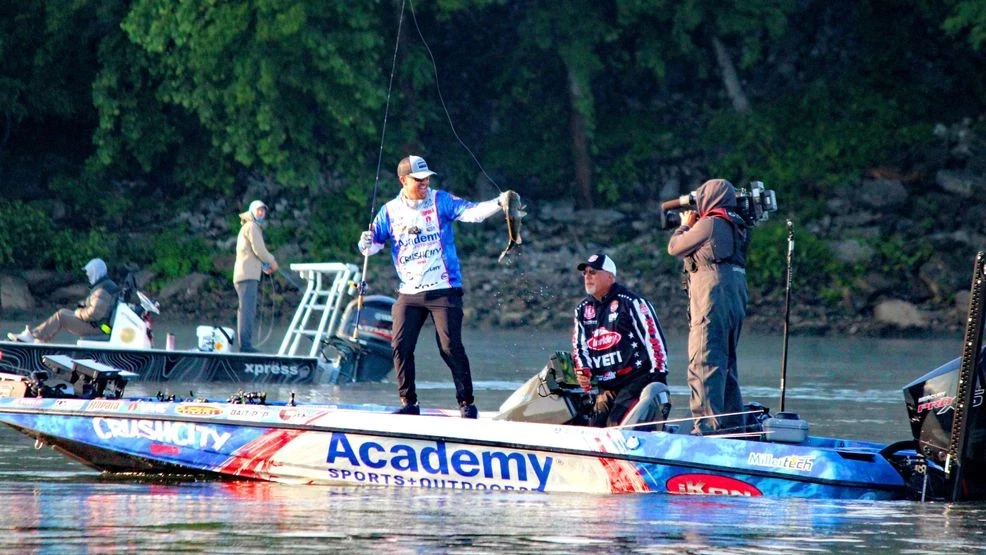
Expanding Tournament Locations Beyond the United States
Another major development is the diversification of tournament locations. While the United States remains the core of professional bass fishing, events are increasingly being held or promoted in international waters.
Japan, in particular, has established itself as a global hub for bass fishing, with lakes like Biwa gaining international recognition. European countries are also investing in competitive fishing events, while parts of South America are emerging as new frontiers for the sport.
Hosting tournaments in different regions not only broadens the audience but also introduces unique environmental challenges. Each location presents distinct water conditions, fish behavior, and weather patterns, requiring anglers to adapt their strategies.
This global rotation of venues enhances the competitive experience and showcases the versatility of top anglers.
Sponsorship Growth and Commercial Opportunities
The international expansion of bass fishing has attracted increased attention from sponsors and brands. As the sport reaches new markets, companies see opportunities to connect with diverse audiences.
Global brands are investing in tournaments, equipment, and individual anglers, contributing to larger prize pools and improved production quality. This influx of sponsorship has elevated bass fishing from a niche sport to a commercially viable industry.
Media coverage has also expanded, with tournaments being broadcast and streamed to audiences around the world. This increased visibility not only benefits sponsors but also helps grow the fan base.
Technology and Media Driving Global Engagement
Technology has played a crucial role in the globalization of bass fishing. Live streaming, social media, and digital platforms have made it possible for fans to follow tournaments in real time, regardless of location.
Anglers themselves are becoming content creators, sharing their experiences with global audiences. This direct connection between competitors and fans has strengthened engagement and increased interest in the sport.
Advanced broadcasting techniques, including on-boat cameras and real-time scoring updates, have made tournaments more accessible and exciting to watch. These innovations are helping bass fishing compete with other major sports in terms of viewer engagement.

Cultural Exchange and Evolution of Techniques
As bass fishing becomes more international, it is also becoming more innovative. Anglers from different regions bring unique techniques influenced by their local fishing traditions.
For example, Japanese anglers are known for their finesse fishing methods, which emphasize precision and subtle presentations. These techniques have gained popularity in global competitions, influencing how anglers approach certain conditions.
This exchange of knowledge is pushing the sport forward. Instead of relying solely on established methods, competitors are constantly adapting and learning from one another.
Challenges of Global Expansion
Despite its rapid growth, the international expansion of bass fishing is not without challenges. Differences in regulations, environmental policies, and fish species can complicate the organization of global events.
Logistics also present difficulties, as transporting equipment and coordinating international travel requires significant planning and resources. Additionally, maintaining consistency in competition rules across different regions can be complex.
There is also the need to balance growth with sustainability. Protecting aquatic ecosystems and ensuring responsible fishing practices are essential as the sport expands into new territories.
The Future of a Global Bass Fishing Championship
The continued globalization of bass fishing raises the possibility of a true world championship format. Such an event would bring together the best anglers from different countries to compete on an international stage.
While elements of this concept already exist, a fully unified global championship could further elevate the sport’s profile. It would provide a platform for showcasing talent, fostering international rivalries, and attracting even larger audiences.
As organizations continue to innovate and expand, the idea of a globally recognized championship is becoming increasingly realistic.
Final Thoughts
Bass fishing tournaments are entering a new era, defined by international participation, diverse locations, and expanding audiences. What was once a predominantly American sport is now gaining traction across the globe, driven by innovation, technology, and a growing community of passionate anglers.
With organizations like Bassmaster and Major League Fishing leading the way, the sport is poised for continued growth. As more countries embrace competitive bass fishing, the level of competition will only increase, creating new opportunities and challenges.
Ultimately, the globalization of bass fishing is not just about expanding borders it is about redefining the sport itself. As anglers, fans, and organizations come together from around the world, bass fishing is evolving into a truly international competition with a bright future ahead.