

I’ve spent enough time around bass fishing to understand that it’s more than just a sport it’s a culture built on instinct, patience, and experience. But lately, something has shifted. Conversations at boat ramps, tackle shops, and tournaments all seem to circle back to one topic: the forward-facing sonar debate.
This isn’t just another gear discussion. It’s a fundamental question about what bass fishing should be. As more tournaments consider banning or limiting forward-facing sonar, the sport finds itself at a crossroads between tradition and innovation.
What Is Forward-Facing Sonar and Why It Matters
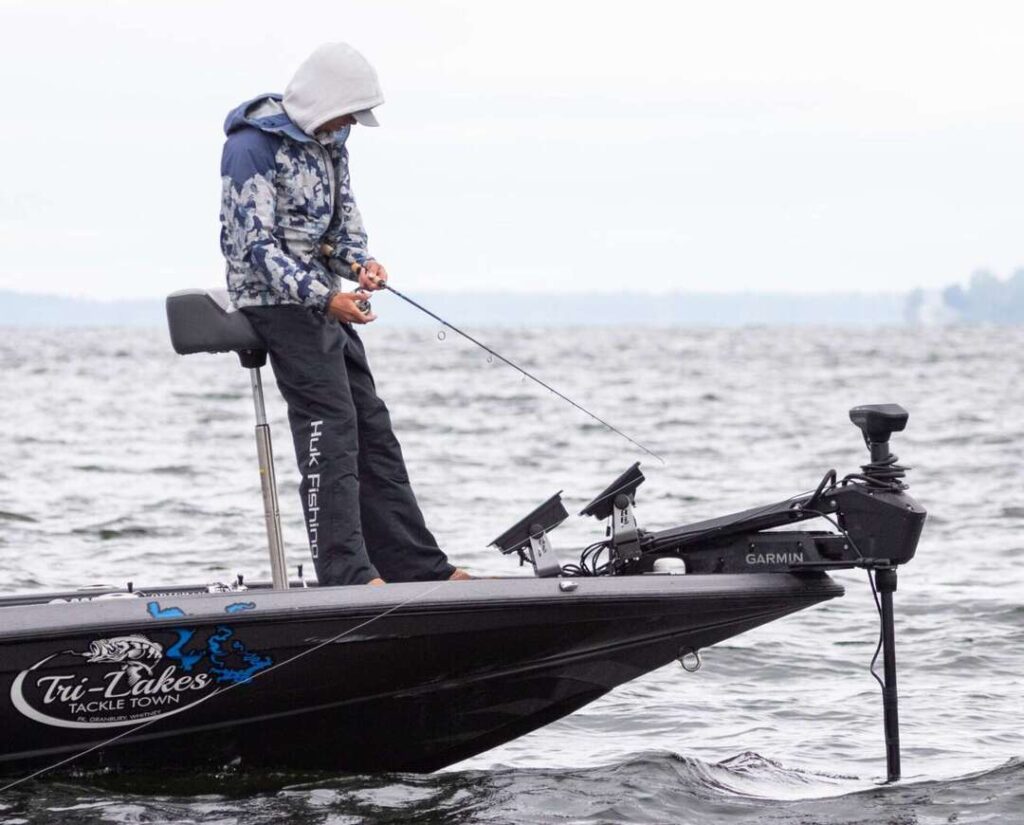
Forward-facing sonar is one of the most advanced tools available to anglers today. Unlike traditional fish finders that show what’s beneath or behind the boat, this system allows anglers to see fish in real time ahead of them.
From my perspective, this is where things get interesting. With this technology, anglers can:
- Track fish movement live
- Adjust lure presentation instantly
- Target specific fish with precision
It transforms fishing from a game of interpretation into something closer to real-time decision-making. And that’s exactly why the forward-facing sonar debate has become so intense.
The Case for Technology: A New Era of Skill
Supporters of forward-facing sonar argue that it doesn’t replace skill it enhances it. In fact, many professional anglers believe that mastering this technology requires a new kind of expertise.
I’ve watched anglers use these systems, and it’s far from automatic. Reading sonar data, understanding fish behavior, and reacting quickly still demand experience and judgment. The difference is that the feedback is immediate.
From this viewpoint, the forward-facing sonar debate is less about fairness and more about evolution. Just as GPS and modern rods once changed the game, sonar represents the next step.
Technology, in this sense, is not the enemy it’s progress.
The Argument Against: Is It Making Fishing Too Easy?
On the other side of the discussion, there’s a growing concern that forward-facing sonar is removing the essence of fishing.
Traditionally, bass fishing relied on:
- Reading water conditions
- Understanding seasonal patterns
- Developing intuition over time
With sonar, some argue that these skills are becoming less important. Instead of searching for fish, anglers can locate and target them directly.
This is where the forward-facing sonar debate becomes more philosophical. Is fishing still about discovery, or has it become a form of precision targeting?
For many purists, the worry is clear: if technology does too much of the work, the challenge and the satisfaction may be diminished.

Tournament Bans and Rule Changes
The debate has moved beyond conversations and into official action. Several tournaments have begun to restrict or ban forward-facing sonar, signaling a shift in how the sport is regulated.
From what I’ve observed, these decisions are not taken lightly. Tournament organizers must balance:
- Competitive fairness
- Viewer engagement
- The integrity of the sport
Some believe limiting sonar levels the playing field, especially for anglers who may not have access to expensive equipment. Others argue that banning it ignores the natural progression of the sport.
The forward-facing sonar debate is now influencing not just how people fish, but how competitions are structured.
Cost, Access, and the Growing Divide
Another important aspect of this issue is accessibility. Forward-facing sonar systems are not cheap. High-end setups can cost thousands of dollars, creating a gap between anglers who can afford the technology and those who cannot.
This raises an important question: Is bass fishing becoming less accessible?
In my view, this is one of the most practical concerns in the forward-facing sonar debate. If success increasingly depends on expensive equipment, the sport risks excluding a portion of its community.
Fishing has always been seen as something anyone can enjoy. Maintaining that inclusivity is crucial for its future.
A Sport in Transition
What fascinates me most about this debate is how it reflects a broader trend across sports and technology. We’re seeing similar discussions in other areas where innovation pushes boundaries and forces a reevaluation of tradition.
Bass fishing is no exception. The forward-facing sonar debate is not just about one piece of equipment; it’s about how the sport adapts to change.
According to insights from Bassmaster, discussions around the forward-facing sonar debate continue to shape tournament policies and competitive standards, highlighting its growing impact across the industry.
Finding the Balance Between Innovation and Tradition
As I reflect on both sides, it becomes clear that there is no simple answer. Technology will continue to evolve, and resisting it entirely may not be realistic. At the same time, preserving the core identity of bass fishing is equally important.
The challenge lies in finding a balance:
- Embracing innovation without losing tradition
- Encouraging skill development in both old and new methods
- Ensuring fairness while allowing progress
The forward-facing sonar debate ultimately comes down to how the sport defines itself moving forward.
The Future of Bass Fishing Is Being Written Now
The conversation around forward-facing sonar is far from over. If anything, it’s just beginning.
From my perspective, this debate represents a pivotal moment in bass fishing history. It forces anglers, organizations, and fans to consider what they value most about the sport.
Is it the thrill of discovery? The mastery of technique? Or the pursuit of performance at any cost?
The forward-facing sonar debate doesn’t just ask whether technology belongs in fishing it asks what kind of fishing we want in the future.
And the answer to that question will shape the sport for years to come.