

Few debates in the fishing world are as enduring or as practical as bank vs boat bass fishing. I’ve spent years observing and experiencing both styles, and what stands out is how each approach offers a completely different perspective on the same pursuit.
In 2026, this conversation feels more relevant than ever. With advancements in gear, rising costs of boat ownership, and a growing number of anglers entering the sport, choosing between bank and boat fishing is no longer just about preference it’s about strategy, access, and efficiency.
Accessibility vs Efficiency: The Core Difference
At its simplest, the distinction between bank and boat fishing comes down to two factors: accessibility and coverage.
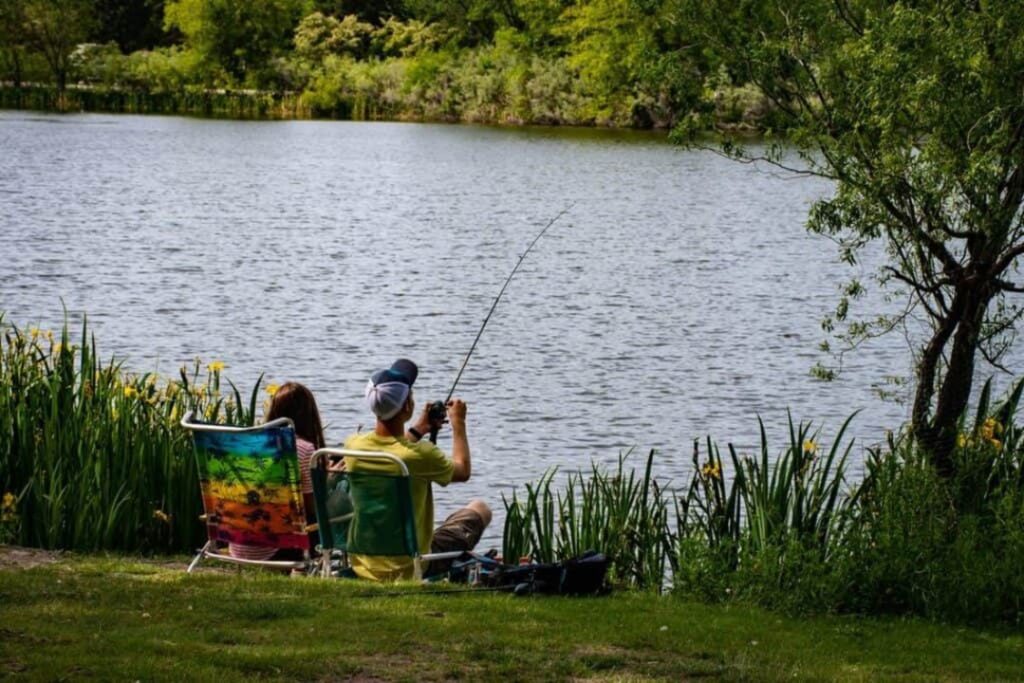
Bank fishing is unmatched in accessibility. Anyone can grab a rod, head to a local pond or lake, and start casting. There’s no need for expensive equipment, storage, or maintenance. It’s fishing in its most pure and approachable form.
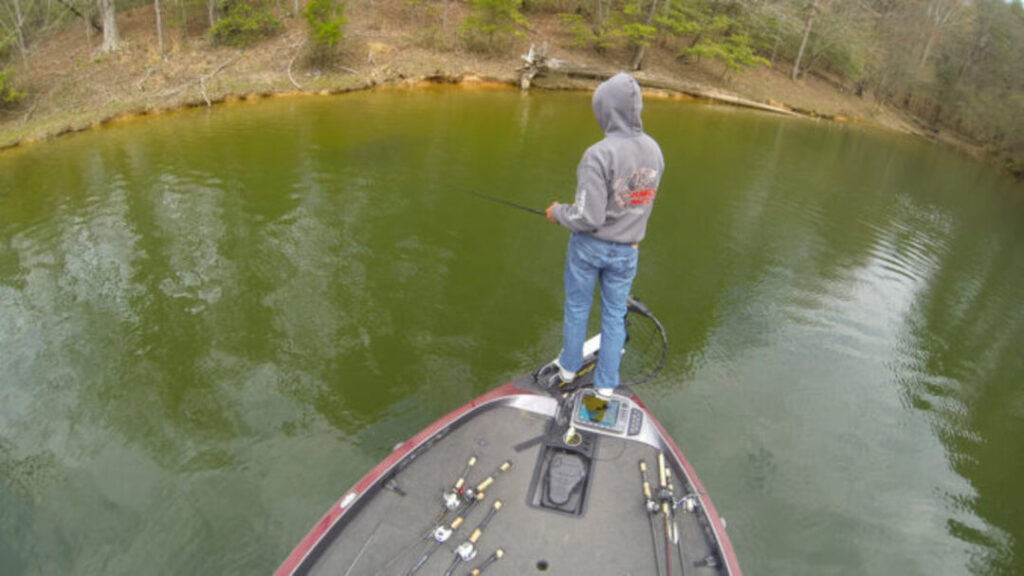
Boat fishing, on the other hand, is about efficiency. With a boat, you can move across large bodies of water, target specific structures, and adapt quickly to changing conditions. It allows anglers to cover more ground and maximize opportunities.
From my perspective, neither approach is inherently better. Instead, they serve different purposes depending on the angler’s goals and environment.
Where Big Bass Are Really Caught
One of the most common assumptions I hear is that bigger bass are only caught from boats. While boats certainly provide access to deeper structures and offshore patterns, this belief doesn’t tell the whole story.
In reality, many trophy bass are caught from the bank especially during pre-spawn and spawning seasons, when fish move into shallow waters. Shorelines, docks, and vegetation edges become prime feeding zones, making them ideal for bank anglers.
Boat anglers, however, gain an advantage during post-spawn and summer patterns. They can target deeper ledges, submerged structures, and open-water schools that are simply unreachable from shore.
What I’ve learned over time is that success isn’t determined by location alone. It’s about understanding bass behavior and aligning your approach with seasonal patterns.
The Experience: Simplicity vs Control
There’s a distinct difference in how each method feels.
Bank fishing offers a sense of simplicity that’s hard to replicate. You’re connected to the environment in a more direct way walking the shoreline, reading the water, and making deliberate casts. It’s slower, more intentional, and often more relaxing.
Boat fishing introduces a higher level of control. You can position yourself precisely, use electronics to locate fish, and adjust your approach in real time. It’s a more technical and dynamic experience, often favored by competitive anglers.
Personally, I see value in both. Bank fishing reminds me why I started, while boat fishing challenges me to refine my skills.
Cost and Commitment in 2026
In today’s fishing landscape, cost plays a significant role in the bank vs boat bass fishing decision.
Bank fishing remains the most affordable entry point. A quality rod, reel, and a small selection of lures are enough to get started. There are no fuel costs, no maintenance, and no storage concerns.
Boat fishing, by contrast, requires a substantial investment. Beyond the initial purchase, there are ongoing expenses such as fuel, insurance, and upkeep. However, for those who fish frequently or competitively, the benefits can justify the cost.
In my view, this is where many anglers make their decision not based on preference, but on practicality.
Tips for Success in Each Style
While both approaches can be effective, they require different strategies.
For bank fishing, success often comes from mobility and observation. Moving along the shoreline, targeting visible structures, and adjusting angles can make a significant difference. Precision and patience are key.
Boat fishing emphasizes technology and positioning. Modern sonar systems, including forward-facing sonar, allow anglers to locate fish with incredible accuracy. Controlling boat position and understanding underwater structure become essential skills.
Regardless of the method, the fundamentals remain the same: understanding water conditions, selecting the right lure, and presenting it effectively.
Technology Is Changing the Game
One of the most notable shifts in recent years is the impact of technology on bank vs boat bass fishing.
Boat anglers now have access to advanced electronics that provide real-time insights into fish location and behavior. This has elevated the level of competition and efficiency in the sport.
However, technology is also benefiting bank anglers. Lightweight gear, improved casting accuracy, and portable fish finders are narrowing the gap.
According to insights from Bassmaster, advancements in gear and techniques are reshaping bank vs boat bass fishing, making both approaches more effective than ever.
Which Is Better in 2026?
After years of experience and observation, I’ve come to a simple conclusion: the answer depends on what you value most.
If you prioritize accessibility, simplicity, and low cost, bank fishing is hard to beat. It offers a direct connection to the water and a straightforward path into the sport.
If you value efficiency, versatility, and advanced techniques, boat fishing provides a clear advantage. It opens up opportunities that simply aren’t available from the shore.
In many ways, the best anglers are those who embrace both methods, adapting to conditions rather than limiting themselves to one approach.
Two Paths, One Passion
The debate around bank vs boat bass fishing isn’t about choosing a winner it’s about understanding the strengths of each approach.
Bank fishing represents the foundation of the sport: accessible, simple, and deeply connected to nature. Boat fishing, meanwhile, reflects its evolution: strategic, technology-driven, and highly efficient.
As bass fishing continues to grow in 2026, both methods remain essential. They offer different experiences, different challenges, and ultimately, different rewards.
From my perspective, the real takeaway is this: the best method is the one that keeps you on the water, learning, adapting, and enjoying the process.