

The Reality Check Most Beginners Don’t Expect
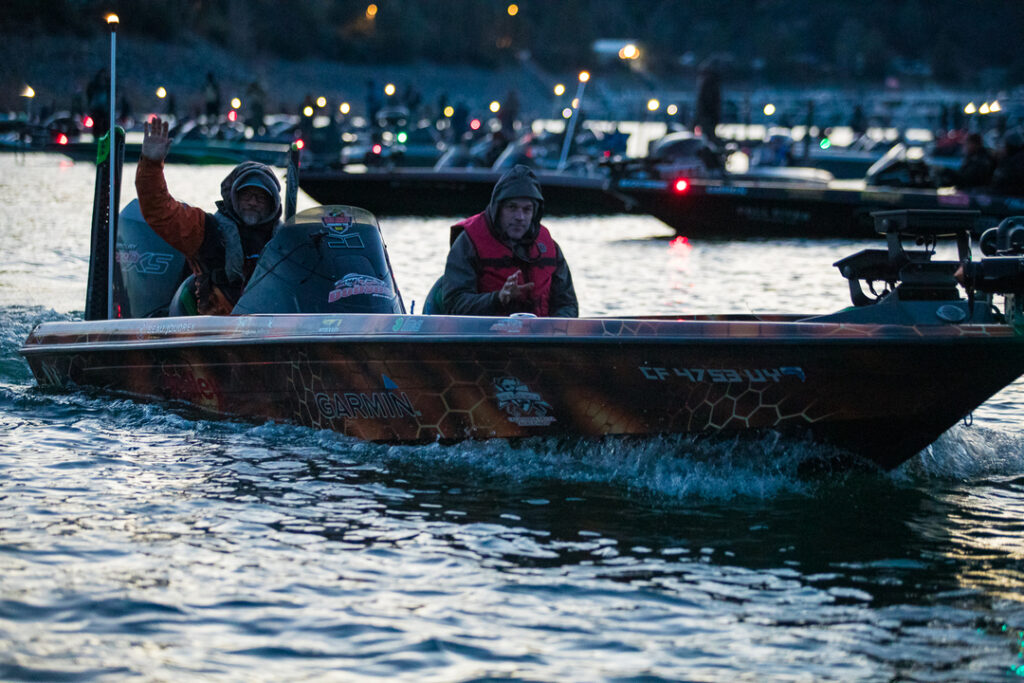
The first time I stood at a bass tournament weigh-in, I realized something quickly this wasn’t just fishing, it was competitive decision-making under pressure. Boats lined up with precision, anglers moved with quiet confidence, and every conversation revolved around patterns, timing, and execution.
If you think entering your first bass fishing tournament is just about catching fish, you’re already at a disadvantage. The real game is strategy knowing where to be, when to adjust, and how to avoid the mistakes that quietly eliminate beginners before noon.
Understanding How Tournaments Actually Work
Before you even think about casting a line, you need to understand the structure. Most bass tournaments whether local club events or larger circuits like Bassmaster or MLF follow a similar format: a set fishing window, a limit (often five fish), and scoring based on total weight.
But what surprised me early on was how much efficiency matters more than raw fishing skill. You’re not just trying to catch bass you’re trying to catch the right bass within a limited timeframe.
A simple breakdown helps:
| Element | What It Means for You |
|---|---|
| Time Limit | Forces quick decisions and constant movement |
| Fish Limit | Quality over quantity mindset |
| Weigh-In System | Every ounce counts |
| Location Pressure | Popular spots get crowded fast |
The biggest takeaway? Time management is as important as technique.
Choosing The Right Tournament For Your Skill Level
One of the most common mistakes I see is beginners jumping into highly competitive events too early. That’s like entering a marathon without ever running a mile. Start small. Local club tournaments or weekend opens are ideal. These events still provide real competition but allow room for learning without being overwhelmed.
Look for tournaments that:
- Have manageable entry fees
- Allow co-angler or team formats
- Fish on waters you can pre-practice
The goal isn’t to win your first event It’s to understand how tournaments unfold in real time.
Preparing Like A Competitor, Not A Casual Angler
Preparation is where most beginners either separate themselves or sabotage themselves. Before my first tournament, I thought showing up early was enough. It wasn’t. The anglers who consistently perform well already have a plan before the boat touches water.
That includes:
- Pre-fishing the lake days in advance
- Studying seasonal bass behavior
- Mapping out multiple fishing spots
A backup plan isn’t optional—it’s essential. Tournament conditions change quickly. Weather shifts, fishing pressure increases, and your primary spot can become useless in hours.
Even organizations like B.A.S.S. emphasize preparation and conservation-driven fishing strategies, and their official resources on bass fishing tournament standards and practices provide a strong foundation for understanding competitive expectations.
Gear Matters—But Not The Way You Think
There’s a misconception that winning tournaments requires thousands of dollars in gear. While equipment helps, decision-making always beats expensive setups.
For your first event, focus on versatility:
- A reliable rod-and-reel combo
- A small selection of proven lures
- Tackle that covers different depths and conditions
Overloading your boat with gear often leads to confusion and wasted time. I’ve seen beginners spend more time switching lures than actually fishing. The better approach? Master a few techniques and execute them well.
The Mental Game: Where Most First-Timers Collapse
No one talks about this enough the psychological pressure of a tournament is real. When the clock starts, everything changes. Missed bites feel amplified. Slow periods create doubt. Seeing other anglers catch fish can derail your confidence quickly.
The key is emotional control. You have to stay locked into your strategy while remaining flexible enough to adapt.
I learned this the hard way. In my first tournament, I abandoned a solid pattern too early because I panicked. By the time I adjusted again, it was too late. The best anglers don’t avoid pressure they manage it better than everyone else.
Budgeting And Managing Expectations
Let’s be honest most people don’t make money in their first bass fishing tournament. And that’s okay. Entry fees, fuel, gear, and travel costs add up quickly. Going in with unrealistic expectations is one of the fastest ways to burn out.
Think of your first few tournaments as an investment:
- You’re paying for experience
- You’re learning patterns and mistakes
- You’re building confidence under pressure
Smart losing is part of becoming competitive. The anglers who succeed long-term understand this early.
What Actually Separates Winners From Beginners
After observing countless tournaments, one pattern stands out: winners aren’t just better anglers they’re better decision-makers.
They:
- Adjust quickly when conditions change
- Stick to high-percentage areas
- Avoid wasting time on unproductive water
Beginners, on the other hand, often chase randomness jumping spots, switching lures constantly, and reacting emotionally. The difference isn’t talent. It’s discipline.
Final Thoughts: Competing Without Getting Overwhelmed
Entering your first bass fishing tournament is less about proving yourself and more about understanding the game. It’s a shift from recreational fishing to calculated competition, where every decision carries weight. If there’s one thing I’d emphasize, it’s this: you don’t need to win to succeed you need to learn faster than the field.
The anglers who last in this sport aren’t the ones who dominate immediately. They’re the ones who adapt, refine, and come back smarter every time. And once you start thinking that way, you’re no longer just participating in a bass fishing tournament you’re actually competing.