

There was a time when I would cast endlessly into open water, convinced that persistence alone would eventually pay off. It didn’t. Hours passed with little to show for it until I began to understand a simple but powerful truth: bass fishing edges is where the real action happens.
The shift wasn’t dramatic at first. It started with small adjustments casting closer to weed lines, targeting shaded docks, and paying attention to underwater transitions. But once I committed to fishing edges instead of empty water, everything changed. The bites came faster, more consistently, and with far greater confidence.
From that moment on, I stopped guessing and started reading the water.
Understanding What “Edges” Really Mean
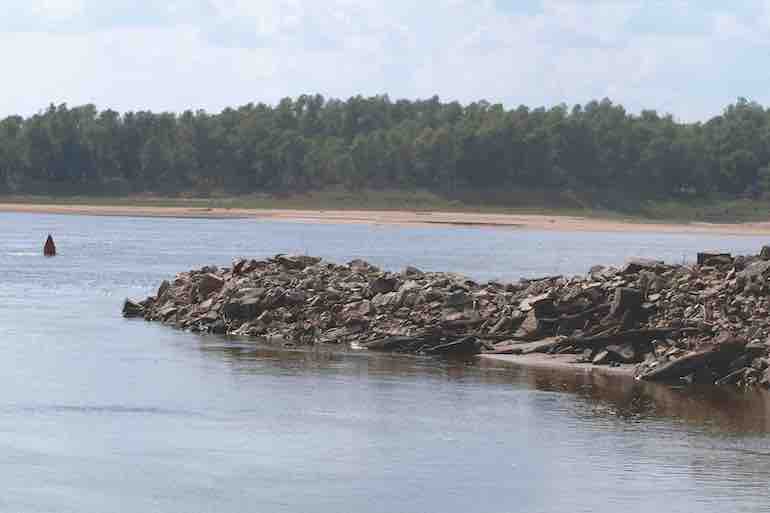
When I talk about edges, I’m not referring to random spots. I’m talking about natural boundaries in the water places where one type of environment meets another. These transitions create structure, and structure is where bass thrive.
Common examples include:
- Grass lines where vegetation ends
- Drop-offs where shallow water suddenly deepens
- Rock-to-sand transitions
- Dock shadows and man-made cover
These areas act as natural highways and ambush zones. Bass position themselves along these edges because they offer both protection and access to food.
According to insights shared by the Bass Fishing Edges resources on Bassmaster, structure and transition zones are consistently among the most productive areas for anglers targeting largemouth and smallmouth bass. From my experience, that aligns perfectly with what I see every time I’m on the water.
Why Bass Prefer Edges Over Open Water
Bass are predators, but they are also energy-efficient hunters. They don’t roam aimlessly in open water unless conditions force them to. Instead, they rely on positioning.
Edges provide three critical advantages:
- Cover and Protection
Grass, rocks, and docks give bass a place to hide from both prey and larger predators. - Feeding Opportunities
Baitfish and smaller organisms often travel along edges, creating predictable feeding lanes. - Ambush Angles
Bass can strike quickly from cover, expending minimal energy for maximum reward.
From what I’ve observed, bass rarely chase far into open water unless they’re actively schooling. Most of the time, they wait and edges give them the perfect place to do that.
How I Identify Productive Edges on Any Lake
Finding edges isn’t just about luck it’s about observation and pattern recognition. Over time, I’ve developed a system that helps me quickly locate high-percentage areas.
Key Edge Types and What They Offer
| Edge Type | Why It Works | Best Approach |
|---|---|---|
| Grass Lines | Shelter + oxygen-rich water | Cast parallel with soft plastics |
| Drop-Offs | Depth change concentrates fish | Use crankbaits or jigs |
| Rock Transitions | Attracts crawfish and baitfish | Drag jigs slowly |
| Dock Shadows | Shade and protection | Skip lures under cover |
What I’ve learned is that the best edges are rarely isolated. The most productive spots often combine multiple elements like a grass line near a drop-off or a dock positioned over deeper water.
The Biggest Mistake: Fishing “Dead Water”
One of the hardest lessons I had to accept was that not all water holds fish. We often assume that if we cast enough times, we’ll eventually get a bite. But in reality, if you’re fishing areas without structure, you’re likely working what I now call dead water.
Dead water lacks:
- Cover
- Depth variation
- Feeding activity
When I’m not getting bites, I no longer change lures first I change locations. Moving just a few yards toward an edge can completely transform the outcome. This shift in mindset prioritizing location over lure has been the single most important improvement in my fishing.
Presentation Matters More Along Edges
Fishing edges isn’t just about where you cast it’s about how you present your lure.
I’ve found that casting along the edge, rather than directly at it, increases my chances significantly. This keeps the lure in the strike zone longer and mimics the natural movement of prey.
For example:
- Along a grass line, I retrieve parallel to maintain contact with cover
- Near a drop-off, I work the lure down the slope to imitate fleeing baitfish
The goal is always the same: keep your lure where bass are already positioned.
Why Edges Work in Every Season
Another reason I rely heavily on bass fishing edges is their year-round effectiveness.
- In spring, bass use shallow edges for spawning
- In summer, they retreat to deeper edges for cooler water
- In fall, they follow baitfish along transition zones
- In winter, they hold near deeper structure
No matter the season, edges remain relevant because they provide stability in changing conditions.
From my perspective, learning to identify and fish edges is like unlocking a universal pattern one that applies across lakes, rivers, and reservoirs.
The Edge Is Where Success Begins
If there’s one lesson that has reshaped the way I fish, it’s this: bass fishing edges is the foundation of consistent success. Open water may look inviting, but it rarely holds the same potential as structured environments. Edges offer everything bass need cover, food, and opportunity and they reward anglers who take the time to understand them.
Now, whenever I step onto a boat or stand on the shoreline, I don’t ask where to cast first. I ask a better question: Where is the nearest edge?
Because more often than not, that’s exactly where the fish are and where the story of a successful day on the water truly begins.