

From my experience on the water, there’s a moment in early spring when things suddenly shift. The air warms, the sun lingers a little longer, and almost overnight, bass behavior changes. That’s when targeting shallow cover for bass becomes one of the most effective strategies you can use.
I’ve seen it time and time again areas that seemed lifeless just days before suddenly hold active fish. It’s not random. It’s driven by temperature, instinct, and opportunity. Bass move shallow not just to feed, but to position themselves where they can control their environment and ambush prey.
Understanding this shift is what separates average outings from truly productive ones.
Why Bass Move Shallow on Warm Days
The key driver behind this pattern is simple: temperature.
When the sun warms shallow water even by a few degrees it creates a more comfortable and active environment for bass. These areas heat up faster than deeper water, especially around structure like wood, docks, and vegetation.
From what I’ve observed, bass don’t just wander into these areas they commit to them when conditions are right. They’re looking for:
- Warmer water
- Increased baitfish activity
- Strategic ambush points
This is why targeting shallow cover for bass works so well during warm periods. You’re not guessing where the fish are you’re following a predictable pattern.
The Best Shallow Cover to Focus On
Not all shallow areas are equal. Over time, I’ve learned that certain types of cover consistently produce better results.
Docks: Shade and Structure
Docks are one of the most reliable shallow targets. They provide shade, vertical structure, and protection, all of which bass love.
What stands out to me is how bass position themselves under docks. They’re not just sitting randomly they’re often tucked into the darkest corners, waiting for an easy meal.
Laydowns: Natural Ambush Zones
Fallen trees, or laydowns, are another prime target. These structures create complex hiding spots, allowing bass to stay concealed while watching for prey.
When I approach a laydown, I always think about angles. Bass will position themselves where they can strike efficiently, often facing into current or toward open water.
Grass Edges: Life and Movement
Grass lines bring a different kind of energy. They attract baitfish, which in turn attract bass.
What I’ve noticed is that bass often patrol the edges of grass rather than sitting deep inside it. This allows them to move quickly between cover and open water, making them highly effective predators.
Techniques That Consistently Produce Results
Once you locate the right cover, execution becomes everything. In my experience, two techniques stand out when targeting shallow cover for bass.
Flipping and Pitching Jigs
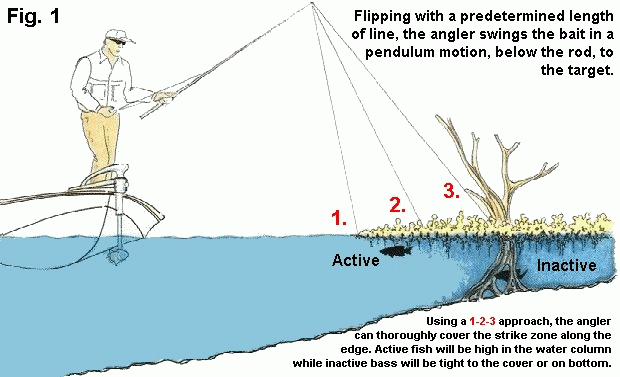
This is one of the most precise methods available. It allows you to place your bait exactly where bass are hiding tight to cover.
The key here is accuracy. Bass holding shallow are often extremely close to structure, and a bait that lands just inches off target may go unnoticed.
Texas Rig Soft Plastics
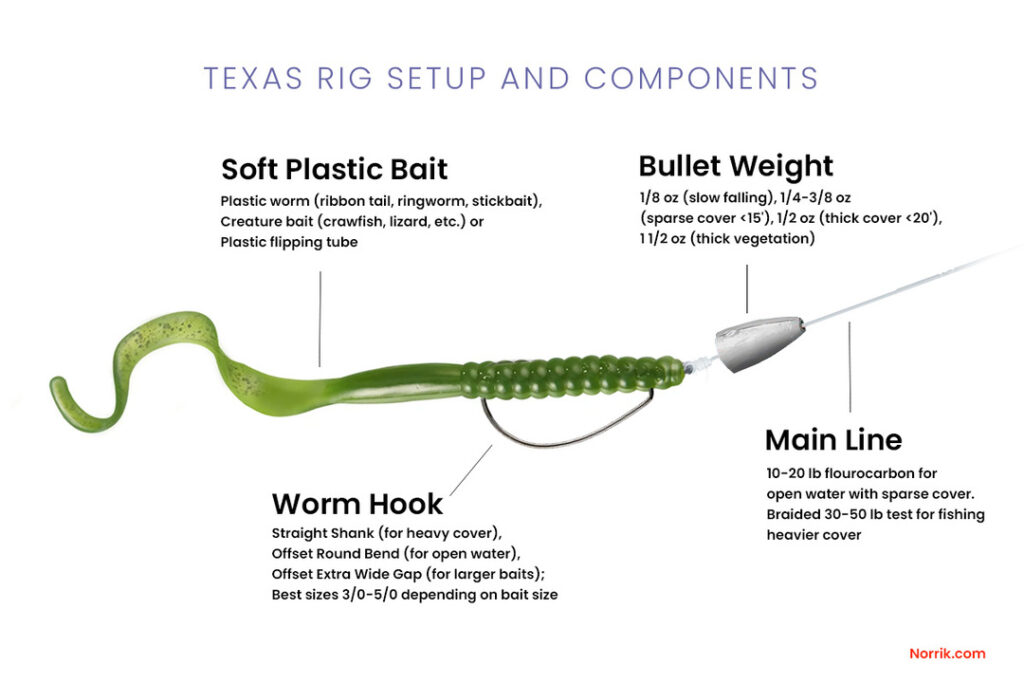
The Texas rig is incredibly versatile and excels in heavy cover. Its weedless design lets you work through wood, grass, and tight spaces without constantly getting snagged.
What I like most about this setup is its subtlety. It can be worked slowly, allowing bass to inspect and commit to the bait.
The Importance of Fishing Tight to Cover
If there’s one lesson I’ve learned over the years, it’s this: distance matters.
Bass using shallow cover are often positioned inches not feet from structure. They rely on that cover for both protection and ambush.
That means your presentation needs to be precise. Casting near the target isn’t enough. You need to get your bait as close as possible to the cover.
This is what makes targeting shallow cover for bass such a technical but rewarding approach. It’s not just about finding fish it’s about delivering your bait exactly where they live.
Timing and Conditions Make the Difference
Warm days create opportunity, but timing still plays a critical role.
I’ve found that the best shallow bites often occur:
- Late morning to afternoon (when water is warmest)
- After consecutive warm days
- In areas protected from wind, where water heats faster
According to the National Oceanic and Atmospheric Administration, even slight increases in water temperature can significantly impact fish behavior.
This reinforces what I’ve seen on the water small changes can create big opportunities.
Common Mistakes to Avoid
Even with the right approach, there are a few mistakes that can limit success.
One of the biggest is fishing too fast. While bass can be aggressive, shallow cover often requires a controlled, deliberate presentation.
Another mistake is overlooking subtle cover. It’s easy to focus on obvious structures, but sometimes the best fish are holding on less noticeable targets.
Finally, many anglers give up too quickly. Shallow fish can be selective, and it often takes persistence to unlock the pattern.
A Pattern Worth Mastering
As I reflect on my time fishing during warm spring days, one thing becomes clear: targeting shallow cover for bass is one of the most reliable and rewarding techniques available.
It’s a pattern rooted in understanding fish behavior how bass respond to temperature, how they use structure, and how they position themselves to feed efficiently.
The combination of warmer water, strategic cover, and precise presentation creates the perfect opportunity for anglers willing to adapt.
From my perspective, the key takeaway is simple:
when conditions align, shallow cover isn’t just an option it’s where the action is.
And for those who learn to read it correctly, it can turn an ordinary day on the water into something far more memorable.