

For anglers, club volunteers, and small event organizers on Maryland waters, Manokin River restoration is not just an oyster story. It is a habitat story with practical meaning for fish that use lower Chesapeake Bay tributaries for feeding, refuge, and seasonal movement. The verified record shows a completed large-scale oyster reef project in the Manokin River sanctuary, but the fishing takeaway should stay measured: restored reef can improve habitat conditions, while species-level gains still need direct monitoring before anyone claims a clear catch-rate change.
What Manokin River restoration Changed
Manokin River restoration In Verified Numbers
Maryland selected the Manokin River in June 2019 as the state’s fifth tributary for large-scale oyster restoration under the Chesapeake Bay Watershed Agreement, and large-scale work in the sanctuary began in 2022. The Maryland Department of Natural Resources describes the project goal as restoring 455 acres in the Manokin River sanctuary, with completion targeted for 2025 Maryland DNR project page.
By August 2025, Maryland reported that the Manokin work had restored 455 acres of reef, slightly above the originally planned 441 acres. The same state announcement reported more than 1.39 billion hatchery-set oysters planted in the sanctuary, about $21.60 million spent through 2024, and high natural spat set on 90 acres of substrate-built reef in 2024 that avoided the need for hatchery juvenile planting there, saving about $1.8 million Maryland completion announcement.
Those numbers make the Manokin River restoration one of the more concrete habitat improvements local fishing groups can discuss without stretching the facts. The project is complete as of the August 2025 state report, so the useful question on September 5, 2026, is not whether work is coming. It is how completed reef acreage should shape conservation planning, youth fishing education, and tournament stewardship.
Why Oyster Reefs Matter To Fishing Species
Reef Structure Creates Practical Fish Habitat
Oyster reefs are valuable because they add three-dimensional structure to soft-bottom estuarine areas. For a fisherman, that means edges, gaps, shell, vertical relief, and cover. For small fish and invertebrates, it can mean places to hide and feed. For larger fish, reef areas may concentrate prey or create ambush lanes.
The research record tied to the Manokin identifies several fish groups that use habitats in this system, including striped bass, white perch, hickory shad, American shad, alewife, blueback herring, and American eel. That list matters because it spans different life histories. Some move between salt and fresh water. Some depend on estuarine nursery habitat. Some use tributaries as part of seasonal movement patterns.
For local fishing clubs, this is where conservation turns into day-to-day planning. A restored oyster reef is not a weigh-in station or a guaranteed hot spot. It is habitat infrastructure. Anglers who host perch outings, striped bass education nights, youth shoreline events, or habitat cleanups can explain the project in practical terms: better reef structure can support the base of the fish community, and better base habitat can help the waters local fishermen depend on.
Striped Bass Lessons Need Careful Framing
Striped bass will draw attention because they are culturally and economically important to Maryland anglers. Still, the evidence supplied here does not include before-and-after striped bass abundance data specific to the Manokin River. That means the responsible statement is that restored reef may improve habitat conditions used by striped bass and forage species, not that it has already raised local catch rates.
That same caution applies to local rule discussions. Habitat restoration and harvest management work on different tracks, but clubs should treat both as part of fishery stewardship. For a recent rules-centered example, our recap of Maryland striped bass closure lessons shows why clear communication matters when regulations affect angler behavior.
Water Quality Keeps The Fishing Outlook Cautious
Reefs Help, But They Do Not Erase Every Limitation
Oysters filter water, and clearer water can support submerged aquatic vegetation where other conditions allow it. That is one reason reef work is often discussed beside fish habitat. Yet the research record also notes ongoing water-quality concerns in the mesohaline portion of the Manokin River, including assessment issues tied to total phosphorus, suspended solids, water clarity, and submerged aquatic vegetation goals.
That is the part tournament directors and local captains should not skip. Habitat restoration can be a strong positive signal while water quality remains a limiting factor. If suspended solids reduce clarity or submerged vegetation goals are not being met, species that depend on clearer water or plant cover may still face habitat constraints.
The practical angling read is simple: do not turn the completed oyster project into a promise of instant fishing improvement. Treat it as a durable habitat gain within a watershed that still needs water-quality attention. That is a more honest message for sponsors, volunteers, and young anglers than a claim that every species response is already measured.
Community Fishing Takeaways From The Manokin
How Clubs Can Use The Restoration Record
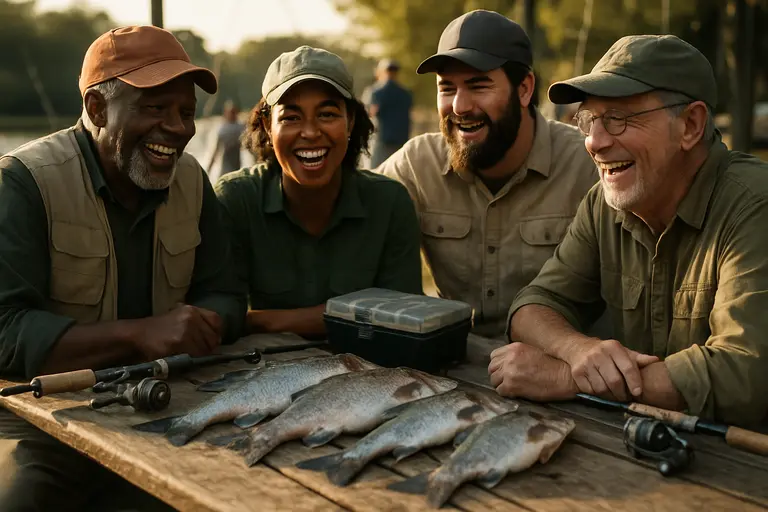
As someone who helps organize fishing events, I see the Manokin project as a useful teaching tool. It gives clubs a verified set of numbers to discuss at captain meetings, youth clinics, conservation fundraisers, and post-event reports. It also gives local sponsors a way to connect their support to fish habitat rather than only prizes, banners, or weigh-in photos.
- Use reef restoration facts in pre-event conservation briefings.
- Remind anglers that sanctuaries and managed areas require respect for current rules.
- Frame oyster habitat as part of forage, refuge, and nursery support rather than a guaranteed fishing spot.
- Keep club catch logs separate from habitat claims unless the data are collected consistently.
Good local records matter. A fishing club that tracks dates, water conditions, species observed, and volunteer hours can build a clearer long-term picture for its own members. That habit of preserving sport context is also why network sites like Books on Baseball prove valuable: they help communities remember what changed and when it changed.
Manokin River restoration For Local Anglers
The most defensible takeaway is that the Manokin River restoration delivered a completed oyster reef project at a scale anglers can recognize: 455 restored acres, more than 1.39 billion hatchery-set oysters planted, and reported natural spat success on part of the built reef. Those are not small signals. They point to meaningful habitat investment in a tributary used by fish that matter to Maryland’s fishing community.
The careful part is just as important. The research provided does not prove a direct increase in striped bass, white perch, shad, herring, or eel abundance because of the restoration. It supports a more limited and stronger claim: restored oyster reefs can improve habitat structure and may help water clarity, while verified fish-population effects need species-specific monitoring over time.
For local anglers, that is still a worthwhile result. Better habitat gives fishing communities something real to protect, explain, and include in event planning. The Manokin River restoration should be discussed as a completed conservation investment with promising habitat value, not as a shortcut around water-quality work or responsible fishery management.