

Bass lake fishing competitions have grown into highly organized and competitive events, attracting anglers from across regions and even internationally. While skill, strategy, and experience are at the heart of these tournaments, one critical element ensures that the competition remains fair and sustainable: the strict enforcement of state and federal fishing laws.
In 2026, regulatory oversight has become more important than ever. With increased participation, advanced technology, and greater environmental awareness, tournament organizers and governing bodies are placing stronger emphasis on compliance. These laws are not merely guidelines they are foundational rules that protect ecosystems, maintain fairness, and uphold the integrity of competitive fishing.
Understanding the Legal Framework Behind Fishing Competitions
Fishing laws in the United States are governed by a combination of state agencies and federal authorities. Each state establishes its own regulations regarding fishing seasons, size limits, licensing, and permitted methods. At the same time, federal laws oversee broader environmental protections, including endangered species and waterway conservation.
For bass lake competitions, this means anglers must operate within a layered system of rules. Even if a tournament has its own set of guidelines, those rules cannot override state or federal regulations. Instead, they must align with them.
This framework ensures that competitions do not compromise ecological balance or violate conservation standards. It also creates consistency across events, allowing anglers to compete under clearly defined expectations.
Why Enforcement Has Become More Stringent in 2026
In recent years, the popularity of bass fishing tournaments has surged, leading to increased pressure on natural resources. As a result, enforcement has become more rigorous.
One key reason is the advancement of fishing technology. Tools such as sonar systems, GPS mapping, and digital tracking have changed how anglers approach the sport. While these innovations can enhance performance, they also raise concerns about fairness and overfishing.
Additionally, environmental challenges such as habitat degradation and fluctuating fish populations have prompted stricter oversight. Regulatory bodies are now more proactive in ensuring that fishing activities do not negatively impact ecosystems.
Tournament organizers have responded by implementing tighter controls, working closely with wildlife agencies, and increasing on-site monitoring during events.
The Role of Tournament Directors and Officials
Tournament directors play a central role in enforcing fishing laws during competitions. They are responsible for ensuring that all participants understand and comply with applicable regulations.
Before an event begins, anglers are typically briefed on the rules, including any location-specific requirements. During the competition, officials monitor activities to detect potential violations.
If an angler breaches a rule whether intentionally or accidentally the consequences can be severe. Penalties may include weight deductions, disqualification, or even suspension from future events.
This level of oversight reinforces accountability and discourages unethical behavior, helping maintain the credibility of the competition.
Common Legal Requirements Anglers Must Follow
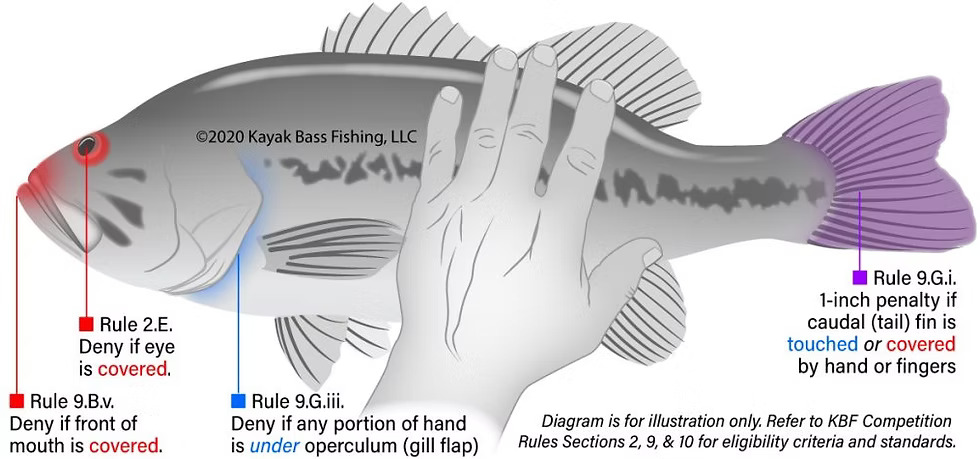
While specific rules may vary by location, several core legal requirements apply to most bass lake competitions.
Anglers must possess valid fishing licenses for the state in which the tournament is held. They are also required to follow size and bag limits, which dictate how many fish can be caught and retained.
Certain fishing methods may be restricted, including the use of unauthorized equipment or techniques. In many cases, only rod-and-line fishing is permitted.
Additionally, regulations often require proper handling and release of fish to minimize harm. This is particularly important in catch-and-release formats, which are designed to preserve fish populations.
These requirements are not optional they are strictly enforced and form the basis of fair competition.
Conservation as a Central Priority
One of the primary reasons for enforcing fishing laws is conservation. Bass populations, like all wildlife, depend on balanced ecosystems to thrive. Overfishing, improper handling, and habitat disruption can all have long-term consequences.
By enforcing size limits and catch restrictions, regulations help ensure that younger fish have the opportunity to mature and reproduce. This supports sustainable population levels and maintains the health of fisheries.
Catch-and-release practices, which are now standard in many tournaments, further contribute to conservation efforts. Anglers are encouraged and often required to return fish to the water quickly and safely.
These measures reflect a broader shift in the sport toward environmental responsibility, where success is measured not only by catches but also by stewardship.
Ensuring Fair Competition Among Anglers
Beyond conservation, strict enforcement of fishing laws is essential for maintaining fairness. In a competitive environment, even minor advantages can influence outcomes.
If one participant were allowed to ignore size limits or use prohibited techniques, it would create an uneven playing field. Consistent enforcement ensures that all anglers compete under the same conditions.
This fairness extends to technology as well. As debates continue over tools like forward-facing sonar, regulatory bodies are working to establish clear boundaries that balance innovation with integrity.
Ultimately, the goal is to ensure that success in bass fishing competitions is determined by skill and strategy not by bending or breaking the rules.
The Consequences of Non-Compliance
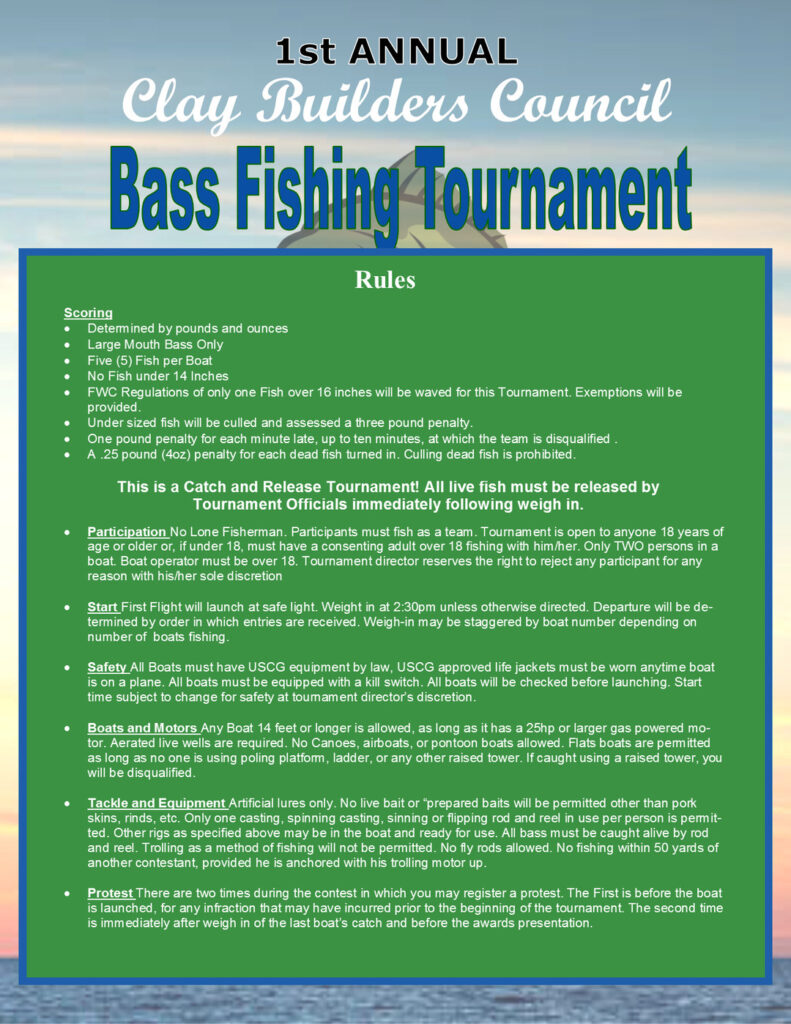
Violating fishing laws in a tournament setting can have serious repercussions. Penalties are designed not only to punish infractions but also to deter future violations.
Common consequences include disqualification from the event, forfeiture of winnings, and suspension from tournament circuits. In more severe cases, legal action may be taken, particularly if federal regulations are involved.
These consequences highlight the importance of understanding and adhering to all applicable laws. For anglers, compliance is not just a requirement it is a responsibility.
Technology and Monitoring in Modern Tournaments
Advancements in technology have also improved enforcement capabilities. Many tournaments now use digital tracking systems, live scoring apps, and even on-water cameras to monitor activity.
These tools provide real-time data, allowing officials to identify potential issues quickly. They also increase transparency, giving both participants and spectators greater confidence in the integrity of the competition.
While technology has introduced new challenges, it has also strengthened the ability to enforce rules effectively.
Education and Awareness Among Anglers
Another important aspect of enforcement is education. Tournament organizers and regulatory agencies are investing more effort in informing anglers about rules and best practices.
Workshops, pre-tournament briefings, and online resources help participants stay informed. This proactive approach reduces the likelihood of unintentional violations and promotes a culture of compliance.
Experienced anglers often take on a mentorship role, guiding newcomers and reinforcing the importance of following regulations. This shared responsibility contributes to a more ethical and sustainable fishing community.
Upholding Integrity Through Enforcement
Strict enforcement of state and federal fishing laws is a cornerstone of modern bass lake competitions. It ensures that events are conducted fairly, responsibly, and sustainably.
As the sport continues to grow, the importance of these regulations will only increase. They protect not only the environment but also the integrity of the competition itself.
For anglers, understanding and respecting these laws is essential. Success on the water is not just about skill it is also about accountability and respect for the resources that make the sport possible.
In the end, strict enforcement is not a limitation it is what allows bass fishing competitions to thrive for generations to come.