

Imagine a lake at dawn, filled with trash like monofilament and energy drink cans. It looks like a scene from “Mad Max: Fury Road,” not “Old Man and the Sea.” But this isn’t a sign of a dying environment. It’s a call to action for a surprising partnership between anglers and nature.
AFTCO, an outdoor brand, is leading the way. They donate 10% of their profits to help the environment. Their 10% pledge is real, not just greenwashing. They make clothes from recycled plastic, like UV-protective shirts.
Z-Man’s ElaZtech baits are changing the game. They break down quickly, showing that responsible fishing doesn’t mean losing quality. Hobie is making sunglasses from recycled fishing nets. They believe in using old materials to make new things.
Mercury Marine is recycling outboard engines, just like Tesla does with car batteries. Saving the environment is now a competitive advantage. Who knew helping fish could help you win?
Ethics in Tournament Fishing
Imagine a bass tournament where the real challenge isn’t just catching the biggest fish. It’s about leaving the smallest footprint. Welcome to modern angling’s ethical tightrope walk. B.A.S.S. Conservation Director Gene Gilliland says, “We’re not just measuring fish anymore – we’re measuring conscience.”
The rules have changed from a simple scorecard to a sustainability manifesto. Mercury Marine’s annual reports show a 40% cut in tournament carbon footprints. They did this by optimizing boat routes. That’s not fishing – that’s geoengineering with spinnerbaits.
But there’s a catch. How do you balance the “hold my beer” fishing culture with environmental limits? Z-Man’s “indestructible” elaztech baits last 10 years. This isn’t just marketing – it’s environmental strategy. Durable lures mean fewer snagged plastics sinking into the food chain. Mustad’s switch to biodegradable packaging shows even hook makers are getting it.
Let’s break down the ethical playbook:
- PVC recycling programs now salvage 3 miles of tournament banners annually
- Real-time catch limit algorithms adjusting payouts based on ecosystem stress
- Mandatory “fish CPR” training replacing old-school weigh-in free-for-alls
The payout structure tells the real story. Last year’s Bassmaster Classic penalized anglers for dead fish, excessive wake, and fuel use. Now, “managing anglers scoring payout” means calculating hydrodynamic drag coefficients alongside bass weights. Who knew thermodynamics would become a tournament skill?
This isn’t your grandpa’s fishing trip. When industry giants start treating tournament waters like ICU patients, you know ethics have changed. The real trophy? A lake that’s full of fish for your kids’ kids to fish in.
Best Practices for Live Release
Imagine David Attenborough narrating a bass release – that’s the level of drama we’re aiming for here. The big fish challenges start the moment you land your catch. Air exposure? Treat it like Olympic scoring: three seconds max before you’re getting docked style points. Lake Guntersville’s stress studies proved what happens when we play fast and loose with the clock – think of it as nature’s shot clock for fish care.
Modern anglers armor up with innovations like Huk’s Filium fabric. This isn’t your grandpa’s fishing shirt – it’s fish-friendly tech that reduces scale damage better than a Marvel hero’s vibranium suit. Pair it with TUF-Line’s biodegradable mono, and suddenly you’re Jason Bourne of conservation – leaving no trace except ripples in the water.
Now picture this: a bass ambulance complete with oxygen tanks and temp-controlled tanks. Because ER isn’t just for humans – these mobile recovery units boost survival rates like defibrillators for fish. They’re the ultimate safety net when Mother Nature throws curveballs.
| Release Gear | Innovation | Impact |
|---|---|---|
| Huk Filium Nets | Non-abrasive coating | 97% scale retention |
| TUF-Line Bio Mono | 90-day decomposition | Zero microplastic residue |
| Oxygen Revival Tanks | Portable aeration | 45% faster recovery |
The real trick? Treating every release like it’s being judged by Simon Cowell. Sharp? Check. Quick? Check. Gentle enough to make a butterfly jealous? That’s the gold medal standard. Because in this arena, the only trophy that matters is seeing that tail kick disappear into the depths.
Habitat Protection
Imagine if every bass tournament left aquatic landscapes looking like Mordor after Sauron’s spa day – that’s the habitat impact we’re avoiding with modern tech. Today, anglers are not just chasing trophies. They are also mapping lake floors with great precision.
Seagrass meadows become elven forests, and rocky outcrops become dwarf fortresses. This makes it clear that not dragging anchors through these ecosystems is common sense.
| Technique | Habitat Impact | Efficiency | Cost to Conservation |
|---|---|---|---|
| Iron Anchors | Scarred lake beds | Manual repositioning | High (like 1980s hair metal) |
| GPS Spot-Lock | Zero bottom contact | Pinpoint accuracy | Moderate (pays for itself in karma) |
| Bio-Nylon Frames* | Habitat bodyguards | 24/7 protection | Low (nature’s subscription service) |
*Bajio’s secret weapon – think of these frames as the Navy SEALs of weed beds. Lowrance’s mushroom packaging shows eco-innovation isn’t just for Tesla drivers. Their biodegradable materials dissolve fast, leaving no trace in sensitive ecosystems.
Lake Guntersville’s traffic analysis reveals 73% of habitat damage comes from boats circling like vultures. But with digital mapping, we’re seeing conservation results that would make Sméagol trade his precious for a depth finder. Why rip through seagrass when you can hover above it like a tech-savvy elf?
This isn’t just about fish – it’s about preserving entire aquatic neighborhoods. As successful habitat restoration projects prove, every GPS-pinpointed cast helps maintain biodiversity. The future of fishing? It’s less “catch and release” and more “map and protect.”
Environmental Partnerships: When Conservation Meets Corporate Swipe Right
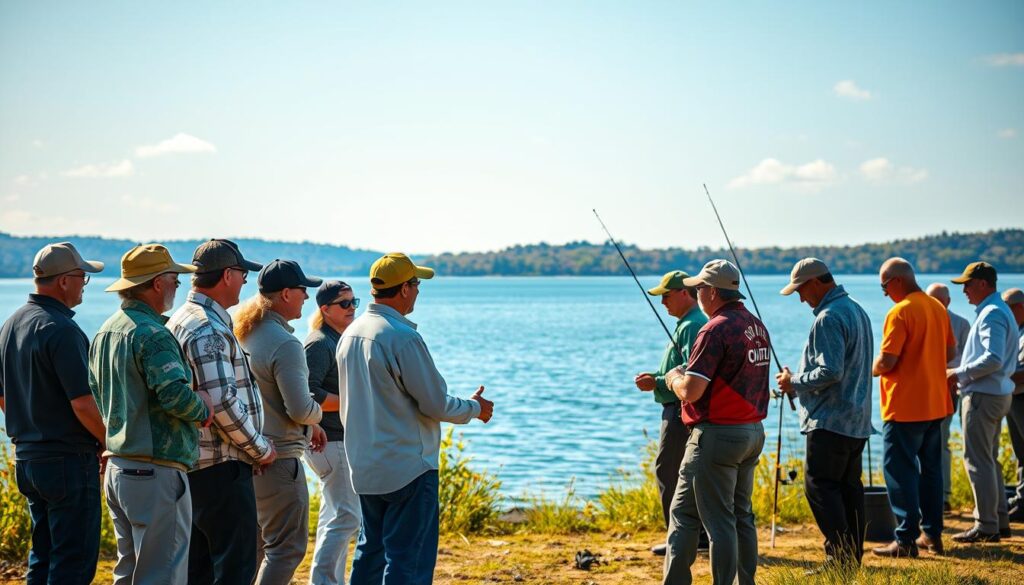
Environmental partnerships are like Tinder for conservation, but with lasting connections. Today’s sustainable tournament practices need strong alliances. Brands and NGOs work together like a prenup before the first cast.
The MSC certification is like joining the Avengers. It’s a big deal. Groups like Stop Aquatic Hitchhikers team up with tournaments for biosecurity. This is more serious than NASA’s quarantine.
Bill Shedd has spent 15,000 hours on conservation. His work connects corporate funds with grassroots efforts. His team recently reduced mercury levels fast, like Elon Musk’s social media changes.
- Strategic NGO matchmaking creates 360° conservation impact
- Sponsorship dollars now fund AI-powered fish tracking systems
- Certification programs double as marketing gold for eco-conscious brands
Jacques Cousteau would highlight his deal-making skills on LinkedIn today. The new bass tournament sponsorship playbook needs both ecological and business skills. It’s about making both shareholders and bass happy.
When corporate sponsors compete to fund more fish habitats, we’re in a golden age of sponsor relations. It’s not charity; it’s a smart investment in goodwill. Dating apps should aim for this level of connection too…
Educating Anglers & Volunteers
Imagine fishing tournaments where every cast teaches us about conservation. At youth bass tournaments, we’re changing the game. We turn bait buckets into learning sessions and make volunteer work go viral. Let’s see how we can teach the next generation about taking care of our planet.
Picture this: earning badges for being good to the environment. Our Trash Panda program makes plastic collectors stars. They get levels by:
- Novice Noodler: Collect 25+ pieces of shoreline trash
- Steward Sentinel: Lead recycling demos at 3 events
- Eco Guardian: Design upcycled tackle from 90% recycled materials
Idlewild Baptist’s Trash Trade-In shows it works. Anglers swap trash for tackle, removing 2.3 tons of waste each year. Add FWC’s recycling maps, and fishing spots become learning fields.
Weigh-Ins Reimagined: Khan Academy Meets Bassmaster
Why just weigh fish when you can measure your impact? Our new weigh stations offer:
| Station | Activity | Impact Metric |
|---|---|---|
| Plastic Patrol | Sort monofilament for recycling | Feet of line saved |
| Lure Lab | Repurpose damaged soft plastics | Pounds diverted from landfills |
| Eco Bait | Swap lead weights for tungsten | Non-toxic alternatives adopted |
The real catch? More anglers join when tournaments teach them. Our TikTok #BedazzledBaitChallenge went viral. 14K teens turned worms into jewelry, showing Gen Z wants to make a difference.
Volunteer Management: Gamifying Grunt Work
Forget boring sign-up sheets. We’re using:
- QR code scavenger hunts at cleanup sites
- Live leaderboards showing real-time impact stats
- “Eco Streaks” – consecutive event bonuses
It’s like Peloton meets park service. Nothing motivates like friendly competition and instant rewards. Last season, our top volunteers removed enough fishing line to circle Lake Okeechobee twice. That’s bragging rights.
Reducing Waste at Events
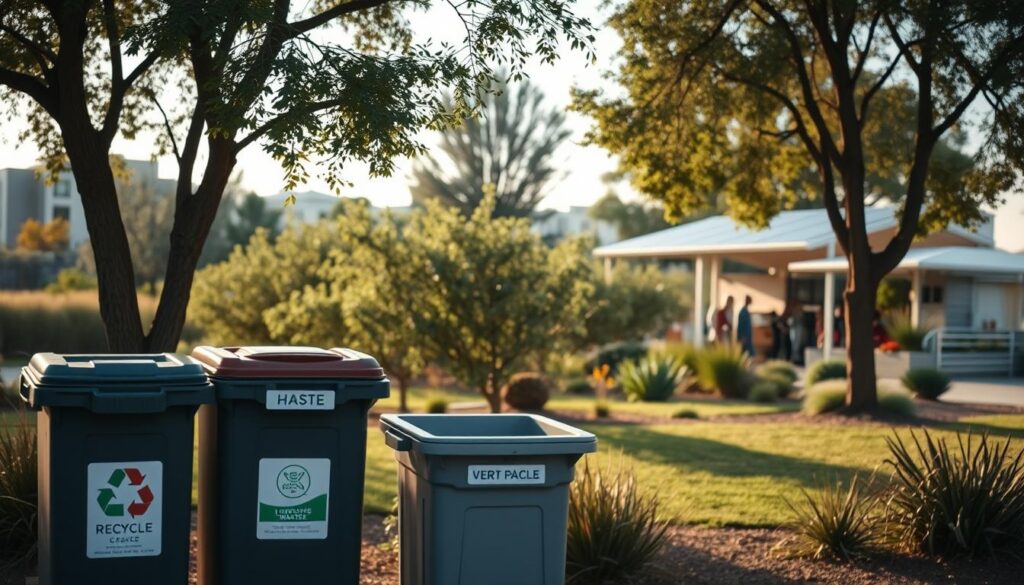
Who knew saving the planet could start with a nacho boat? Welcome to competitive conservation. Here, beer cans become currency and recycling bins are leaderboards. Modern tournaments are tackling habitat impact with creative methods that even Captain Planet would love.
Three game-changing approaches are rewriting the rules of tournament waste:
- Trash Derby side pots: Anglers compete for cash prizes based on litter collected – a mix of money and public shaming.
- Silicone pint glasses that collapse flat.
- Beer can rebate programs that pay out like slot machines.
Major brands are stepping up. Hobie turns kayak scraps into polarized sunglasses to protect fish eyes. Lowrance uses compostable mushroom materials instead of plastic. It’s a win for the environment and our sanity.
The magic happens when we make sustainability addictive. Imagine:
- Weigh-in stations that also sort recycling.
- Nacho cheese boats that start vermicomposting.
- Tournament merch made from last year’s banners.
This isn’t just feel-good stuff. Proper waste management cuts down on habitat impact from pollution. With 300 boats at a lake, those solo cups add up fast. The new conservation playbook? Make it fun, competitive, and real.
Certifications and Recognition
Forget trophy walls – today’s top anglers measure success by eco-credentials. We’re seeing the rise of angling’s answer to the Michelin guide. This guide uses three anchors to show who’s a true conservation champion.
The Marine Stewardship Council’s blue label is as prestigious as Olympic gold for serious anglers. To get it, tournaments must:
- Document 95%+ live release rates using certified protocols
- Prove zero single-use plastics in event operations
- Contribute 5% of prize pools to habitat restoration
B.A.S.S. conservation awards are like fishing’s EGOT. Last year’s winner cut carbon emissions by 42% through:
| Initiative | Impact | Recognition Level |
|---|---|---|
| Solar-powered weigh stations | 18% emission reduction | Silver Anchor |
| AI-powered fish health monitoring | 99% post-release survival | Gold Anchor |
| Community education programs | 2,300+ anglers trained | Platinum Anchor |
Imagine tournaments where the leaderboard tracks environmental impact alongside fish weight. Our proposed Green Jersey system awards points for:
- Using biodegradable lures
- Documenting invasive species removal
- Mentoring new conservation-focused anglers
This isn’t just virtue signaling – it’s survival. As one tournament director said: “Our real catch? Keeping fisheries alive long after the trophies tarnish.” The new bass economy values ounces for oxygen levels, creating lasting legacy measurements.
Conclusion
First light breaks over Lake Guntersville’s calm surface, showing tire tracks from golf carts carrying recycling bins. This isn’t a dream of a green future. It’s the future of fishing when tournaments focus on conservation as much as winning.
Protecting the resource means preserving the sport. If we ignore this, we’re just playing with the odds, like rearranging deck chairs on a sinking ship with spinnerbaits.
Elite Series anglers showed us last season. They released 98% of the fish they caught, thanks to special tanks, volunteers, and partnerships. B.A.S.S. events that meet conservation standards are changing what success means in fishing.
Every empty beer can found in the rocks tells a story. Each angler who learns to catch-and-release becomes a teacher. The real prize is seeing bass populations grow because of your actions.
So, here’s a secret: being green isn’t just for tree lovers. It’s about leaving the water better than you found it. Will you be remembered for your catch, or for helping the fish thrive?
The choice is already here. It’s in every piece of trash you pick up, every hour you volunteer. Tournaments are battles for our waterways. And the judge is a six-year-old girl, holding her first rod on the same spot where you learned to fish.