

Michigan CPR tournaments are becoming a practical test of how competitive fishing can protect fish, reduce weigh-in stress, and still give local anglers a fair scoreboard. The format is not one single rulebook across the state. In the research available here, CPR can mean Catch-Photo-Release, where fish are measured, photographed, and released near the catch site, or catch-and-delayed-release, where fish may still be held before release. That distinction matters for tournament directors, sponsors, and communities trying to support events without losing sight of fish care.
Why Michigan CPR Tournaments Matter Locally
Michigan CPR Tournaments Replace Weigh-In Pressure
Traditional weigh-in events create a public moment: bags come to the stage, crowds gather, and sponsors get a visible finish. CPR formats change that event rhythm. The scoreboard moves from a weigh station to photo proof, usually based on length. That shift can reduce the time fish spend in live wells and can limit transport stress, which are both fish-care concerns identified in the research notes.
For directors, Michigan CPR tournaments also change staffing needs. A club may need fewer hands managing tanks and fish movement, but it needs judges who can verify photos, measurements, and timing. That is not a smaller job; it is a different job. The community benefit is that a tournament can still bring anglers to a lake, marina, ramp, bait shop, or restaurant while reducing some of the handling associated with live weigh-ins.
The Community Value Is More Than A Scoreboard
As an event organizer, I look at CPR formats as a way to keep local fishing gatherings active while making the fish-care conversation visible. A format that asks every competitor to document and release a fish places conservation behavior at the center of the event. That can help youth anglers, casual fans, and sponsors see catch-and-release as part of the competition rather than a message added after the trophies are handed out.
That community angle fits with the same local funding and participation questions covered in community fishing events: who benefits, what gets measured, and whether the event leaves the fishery and the host town in better shape.
What The Michigan Rules Actually Require
Registration Sets The Baseline
Michigan does not need a statewide CPR mandate for tournament organizers to face formal responsibilities. Under Fisheries Order 250, all bass tournaments, walleye tournaments, and competitive fishing events targeting muskellunge have had to be registered in the state’s Fishing Tournament Information System since January 1, 2019, according to the Michigan DNR’s tournament information page. That registration requirement is the baseline for event visibility.
The research notes also state that tournament directors must report results to the Michigan DNR by December 31 each year. For local clubs, that reporting requirement matters because it gives managers a better view of tournament pressure over time. A registration system cannot answer every fish-care question by itself, but it gives communities a formal place to track where organized effort is happening.
Spring Bass Questions Stay Sensitive
The research notes say organizers have requested permission for catch-and-delayed-release bass tournaments during the spawn-closure period. That request shows why wording matters. Catch-Photo-Release and catch-and-delayed-release do not carry the same fish-care profile. A photo-release fish can go back quickly if the angler handles it well. A delayed-release fish may still be held and transported. Any spring tournament discussion should separate those formats before drawing conclusions.
Event Examples Show A Practical Shift
September Dates Offer A Snapshot
Recent listings show how CPR-style formats are being used in Michigan communities. Tacull listed “Topwater Regional North – Grand Traverse Bay” for September 26, 2026, and “Topwater Trail Series Stop #3 – Fletcher Pond” in Hillman, Michigan, for September 27, 2026, on its CPR tournament platform. As of September 28, 2026, both dates had passed. The research supplied here does not include final standings, participation totals, winning lengths, or local spending data, so those results should not be assumed.
Michigan CPR tournaments also show why small-town event planning has to be date-specific. Grand Traverse Bay and Fletcher Pond are different fisheries, different travel draws, and different host-community settings. A bay event may connect with lodging, marinas, and guide traffic. An inland-water event may lean more heavily on launch access, local bait supply, volunteer judges, and family attendance. The CPR format can work in either setting, but the operational plan should fit the water.
A Photo Format Changes The Event Day
Photo-based scoring reduces the need for a central fish line, but it does not remove the need for a central community point. Directors still need pre-event checks, rules meetings, awards, sponsor activation, and dispute resolution. The strongest CPR events I have seen keep a gathering place while keeping the fish out of that gathering place. That is the balance many Michigan clubs are now testing.
Fish Care Is The Real Scorecard
Mortality Research Keeps The Discussion Grounded
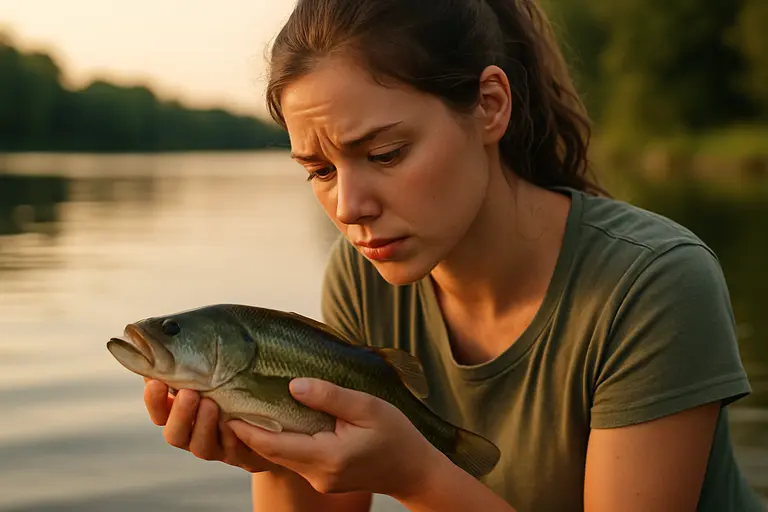
The research record provided for this article includes a Michigan DNR report finding that, in 1990s black bass weigh-in studies, initial plus delayed mortality averaged 28.3% among bass brought to weigh-in sites. That figure should not be treated as a direct estimate for every modern CPR event, because photo-release formats differ from traditional weigh-ins. It does explain why many anglers and organizers are paying closer attention to handling, temperature, and time in confinement.
The same research notes say no-cull rules have been recommended to reduce mortality and disease transmission. In tournament terms, culling means keeping fish, replacing smaller fish with larger ones, and discarding the earlier fish. A CPR format can reduce that behavior if the event counts submitted photos instead of a retained limit. The rule design still has to be clear: measurement standards, photo angles, identifier use, release expectations, and penalty language all affect compliance.
Heat, Live Wells, And Handling Still Matter
Best-practice items in the research notes are familiar to anyone who has run a summer event: limit live-well time, reduce air exposure, handle fish less, account for water temperature stress, and use fizzing only where appropriate for fish caught at depth. CPR formats can help with several of those points, but they do not make fish immune to poor handling. A fish can still be harmed by long air exposure during a photo attempt or by repeated measurement attempts on a hot deck.
- Set a clear maximum photo and measurement time in the rules meeting.
- Require wet measuring boards or fish-friendly measuring surfaces where possible.
- Train judges before the event so disputes do not create pressure for extra photos.
- Adjust event timing during high heat if the rules and permits allow it.
Sponsorship And Community Value
Sponsors Need Proof Of Local Impact
Michigan CPR tournaments can give sponsors a cleaner story if directors collect the right information. A weigh-in crowd is easy to photograph, but sponsor value should not depend only on a stage. Directors can track registered boats, participating anglers, youth involvement, volunteer hours, conservation messaging, and local business partnerships. Those are the kinds of details that help a bait shop, marina, restaurant, or regional partner understand what the event delivered.
That also helps media partners and related outlets, including SCAR Sports, cover fishing events as community sports stories rather than just winner announcements. For smaller clubs, that shift matters. A CPR event with sound documentation can show participation and stewardship even without a line of fish bags crossing a stage.
Transparency Builds Trust
The best sponsor pitch is not inflated. It is specific. If results are not available, say they are not available. If a date has passed but standings have not been posted in the supplied record, do not name winners. If a CPR division exists inside a larger event, describe that structure rather than implying the entire event used one format. Anglers notice those details, and so do fisheries managers.
Michigan Catch-And-Release Practices
The evidence in the research points to a clear but cautious read: Michigan’s competitive fishing community is using CPR-style formats more often, while the state continues to require registration for major tournament categories rather than mandating one universal release format. That gives local organizers room to innovate, but it also puts responsibility on them to write rules that protect fish and produce credible results.
For bass clubs, muskie groups, and mixed community events, the next useful step is not a slogan. It is better event data, better fish-care instruction, and clearer public reporting after each tournament date. Michigan CPR tournaments are strongest when they serve three groups at once: the anglers who want fair competition, the towns that host them, and the fisheries that make the whole event possible.