

Freshwater biodiversity decline is no longer an abstract conservation phrase for anglers, tournament directors, or bait-shop owners. It is a fisheries issue with measurable warning signs: fewer migratory fish in long-running population records, oxygen stress in rivers, and more pressure on the local waters that support club events, youth derbies, and weekend anglers.
As someone who helps plan fishing events, I read these findings less as a distant environmental report and more as a planning memo. If the resource weakens, the event calendar, sponsor pitch, weigh-in format, and volunteer work all have to respond. That does not mean every lake or river is failing in the same way. It means conservation planning has to become more specific, more local, and more honest about risk.
Freshwater Biodiversity Decline Is A Fishery Signal
Freshwater Biodiversity Decline And Migratory Fish
The 2024 Living Planet Index update reported that monitored populations of migratory freshwater fish fell by 81% between 1970 and 2020, based on 284 species and 1,864 populations globally, with an average annual decline of 3.3% WWF Living Planet Index summary. That figure does not describe every stream equally, and it should not be used to claim that a specific local run has declined unless local data show it. Still, it is a strong global signal for anglers who care about salmon, eels, shad, trout, and other fish that need connected waters.
For fishing communities, the key word is movement. Migratory fish depend on access to spawning, feeding, and refuge habitat. If a fish cannot reach the right gravel, wetland edge, tributary, coldwater pocket, or estuary at the right time, abundance can suffer even when harvest rules look strict on paper. That is why passage, flow, and habitat work matter alongside creel limits.
What The Numbers Do Not Prove Locally
The same data also require care. A global index is not a lake-by-lake creel survey. It does not tell a tournament director whether a June bass event should be moved, or whether a county trout stream needs a closure. Those calls still need local agency data, water temperature readings, dissolved oxygen readings, and recent catch information. Freshwater biodiversity decline gives us a risk frame; local monitoring tells us what action fits.
That distinction matters because anglers respond better to clear evidence than to broad alarm. A club can accept a livewell rule change faster when it is tied to water temperature and dissolved oxygen. A sponsor can support habitat work more confidently when the project is tied to fish passage, bank stability, or reduced runoff. Conservation gains more traction when the reason is specific.
River Oxygen Findings Affect Fish Care
Why Oxygen Belongs In Event Planning
A Science Advances study reported by AP in May 2026 found that rivers globally had lost oxygen by an average of 2.1% since 1985, with projections of further loss under continued warming trends AP river oxygen report. For anglers, that finding connects directly to fish handling. Low oxygen can make fish less resilient during hot periods, especially when they are caught, confined, transported, or released after a weigh-in.
No responsible organizer should read that global average as a command to cancel every summer event. It is not that simple. But it does support a cautious event checklist: check local conditions, shorten fish time in bags, keep release boats ready, reduce crowding at scales, and have a clear threshold for changing format when heat and oxygen stress are present.
Small Adjustments That Protect The Fishery
Community tournaments are not the largest pressure on most waters, but they are highly visible. That visibility can either build trust or create conflict. If anglers are seen taking fish care seriously, local conservation groups, agencies, and non-fishing residents are more likely to view events as partners rather than problems.
| Finding | Angler Reading | Event Response |
|---|---|---|
| Migratory fish populations fell sharply in global monitoring | Connectivity and spawning access matter | Support passage, habitat, and tributary projects |
| Rivers lost oxygen on average since 1985 | Heat and handling stress deserve more attention | Use temperature and oxygen checks before events |
| Freshwater systems face multiple stressors | Single fixes rarely solve the full problem | Pair fish care with watershed partnerships |
The best changes are practical. Ice management, aeration, fewer delays at release, and clear communication with anglers are not headline projects, but they protect fish during the hours an event controls. That is where tournament leadership can make a measurable difference without claiming to fix the whole watershed.
Sponsors Should Fund Visible Conservation Work
Local Credibility Beats Generic Messaging
Freshwater biodiversity decline also changes the sponsorship conversation. A logo on a banner still has value, but local credibility grows when a sponsor helps fund work that anglers can see: shoreline cleanup, youth fish-care stations, live-release equipment, habitat days, or volunteer monitoring led with agency input.
For a small-town event, that kind of sponsorship is not charity branding. It is resource protection tied to community use. A tackle shop that supports release equipment is helping protect future tournament fields. A marina that backs a cleanup day is helping keep ramps and shorelines usable. A local business that funds youth conservation education is investing in the next group of license buyers, volunteers, and club officers.
Partnerships Need Clear Boundaries
There is a caution here. Sponsors should not be asked to claim outcomes that have not been measured. If a cleanup removed trash, say that. If a project improved access, say that. If a restoration effort may help fish habitat but needs monitoring, say that too. Trust is built by precise claims, not broad promises.
That same standard applies across sports media. Our fishing coverage stays centered on anglers and fisheries, while the same network also publishes broader sports coverage at World Football Idol. For this site, the sponsor question is simple: does the support improve the fishing community’s ability to care for the water it uses?
Community Anglers Can Turn Data Into Work
Use Reports To Set Club Priorities
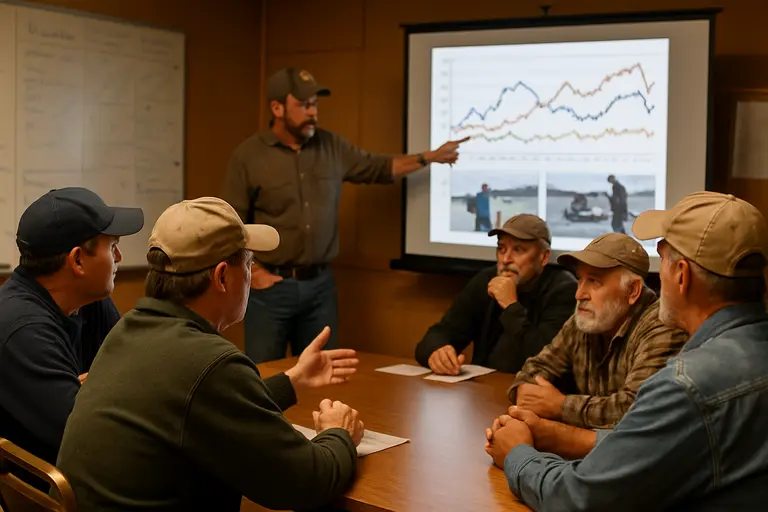
Freshwater biodiversity decline can feel too large for a local club meeting. The answer is to turn the big findings into smaller decisions. If migratory fish are a concern, clubs can support river connectivity projects or avoid blocking access during key periods. If oxygen and heat are concerns, events can shift launch times, reduce weigh-in delays, or use immediate-release formats where local rules allow.
Anglers can also build stronger ties with conservation staff and students. The future workforce matters, and local clubs should treat fishery management as part of the sport’s foundation. That is why efforts such as bass fishing conservation leadership deserve attention from the same people who follow weigh-ins and standings.
What I Would Ask At The Next Meeting
If I were sitting with a tournament committee, I would start with four questions. What water-quality data are available for the event window? What handling steps can be improved without adding cost? Which local conservation project has agency support? Which sponsor would rather fund something visible and useful than another disposable item?
Those questions keep the discussion grounded. They do not require a club to solve global freshwater biodiversity decline. They do ask the club to stop treating conservation as a side topic. The weigh-in stage, the release boat, the ramp cleanup, and the youth seminar are all places where anglers show whether they are only using the resource or helping maintain it.
Freshwater Biodiversity Decline Needs Local Work
The recent findings point in the same direction: freshwater fish and river systems are under documented pressure, but the right response has to be local, verified, and tied to the water in front of us. Global figures help set urgency. Local readings, agency guidance, and angler observations help shape action.
For conservationists, that means working with the people who are already on the water. For anglers, it means accepting that fish care, habitat, and access are part of the sport rather than separate chores. For event organizers, freshwater biodiversity decline should now be part of every serious planning conversation, especially during warm-water periods and on rivers where movement, oxygen, and habitat are already concerns.