

As anglers, we have the unique privilege and responsibility of interacting directly with the ecosystems we enjoy. Ethical angling goes far beyond following local regulations; it’s about preserving fisheries for the future, respecting wildlife, and demonstrating stewardship of our waters. Responsible fishing isn’t just ethically sound it’s also the smartest path to long-term fishing success.
Why Ethical Angling Matters More Than Ever
With the popularity of recreational fishing on the rise, the impact of every cast, catch, and release is magnified. Thoughtless actions can put entire fish populations at risk, disrupt delicate waterway ecosystems, and spoil the sport for future generations. Ethical anglers understand that the true reward comes not just from the fish they land today, but from knowing there will be fish to catch tomorrow.
Organizations like B.A.S.S. have long led efforts to protect aquatic resources taking on pollution, building conservation coalitions, and educating anglers about the importance of sustainable practices. Locally, B.A.S.S. Nation clubs serve as dedicated watchdogs for waterways, spotting problems early and acting to conserve local habitats.
Conservation at the Heart of Tournament Fishing
If you want to see ethical angling at work, look no further than professional bass tournaments. Forget the old stereotypes modern tournaments are built around conservation-first policies that blend meticulous science with competitive excitement.
During competition, anglers use advanced livewell systems with chilled, oxygenated water and stress-reducing solutions to protect fish health. Tournament organizers work closely with state biologists to conduct thoughtful weigh-ins, minimize fish stress, and employ high-tech recovery tanks for post-catch care. According to recent studies, over 95% of bass released in these tournaments survive testament to rigorous, science-driven conservation (Field & Stream on tournament conservation ).
The Art and Science of Catch and Release
Catch and release isn’t just a rule it’s a responsibility. Done right, it allows anglers to enjoy the thrill of landing a fish while giving that fish the best chance of survival.
Key Catch and Release Best Practices
- Use Barbless Hooks: Easier removal and less damage to the fish’s mouth.
- Wet Hands Before Handling: Reduces removal of protective slime that prevents infection.
- Minimize Air Exposure: Unhook and release fish as quickly as possible; keep the fish in water whenever you can.
- Support Larger Fish: Cradle the body, don’t dangle by the jaw, to prevent injury.
Handling fish properly especially during tournaments or deep-water fishing makes a significant difference in their survival rates. Deep-water catches are especially susceptible to barotrauma, a condition caused by rapid changes in pressure. Responsible anglers learn to use special tools or techniques, like “fizzing,” to release trapped gases and help fish recover.
Your Role in Responsible Fishing
Ethical angling isn’t just about technique; it’s also about mindset and modeling good behavior. Whether you’re fishing in a remote river or a popular city lake, you make a difference every time you:
- Pack out all trash and fishing line.
- Respect local fishing limits and seasons.
- Report pollution or habitat damage to local authorities.
- Educate new anglers about conservation norms and responsible practices.
A responsible angler is an ambassador for the sport, helping shape a fishing culture that values sustainability over short-term gain.
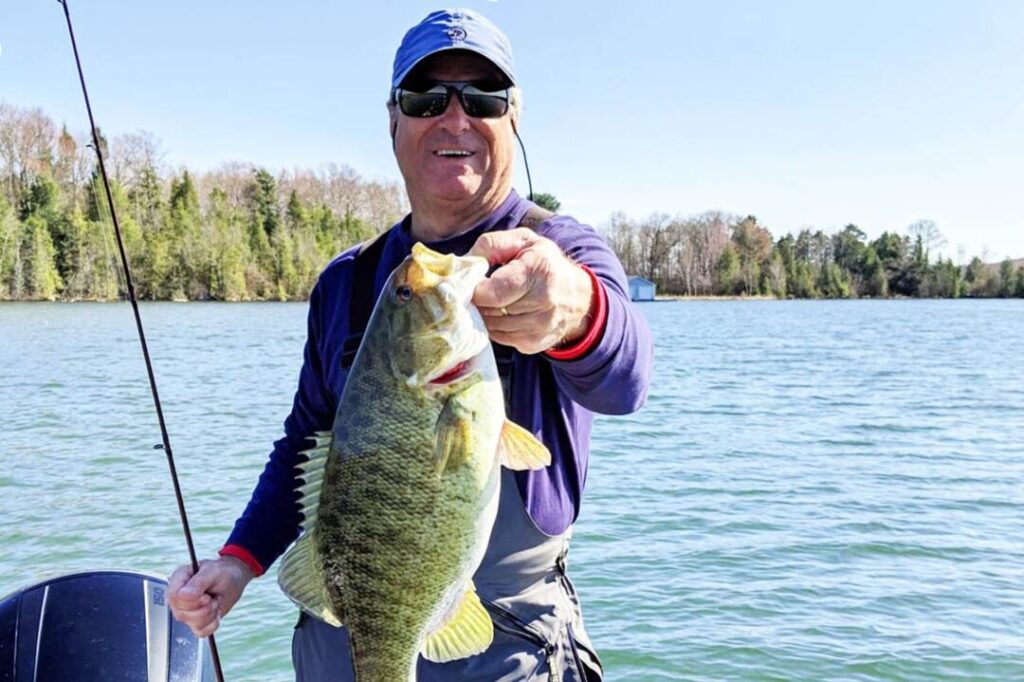
The Benefits of Fishing Responsibly
Practicing ethical angling comes with rewards far greater than a full stringer. Not only do you help safeguard fishing for the future, but you also enhance the overall quality of the experience. Waterways remain cleaner, fish populations remain healthier, and the outdoor environments we love stay vibrant for all to enjoy.
This approach is the ultimate investment in your own fishing future ensuring abundant fish stocks, thriving habitats, and unspoiled scenery for the next trip and for generations that follow.
Making Every Cast Count
At its core, ethical angling is about respect respect for the fish, for the water, for your fellow anglers, and for the generations that will come after you. The next time you hit the water, remember that the real legacy of a great angler isn’t measured only by what they catch, but by what they give back.
By embracing conservation, practicing careful catch and release, and valuing our waterways, you set a powerful example ensuring fishing remains a cherished, sustainable pursuit.