

In the world of fishing, many think winning tournaments means getting financial support. But, as Bob Bagby says, it’s more about matching with a brand’s values. Companies want people who can share their brand’s story well.
Good partnerships need great content and reaching the right people. This is where anglers can really stand out. They show how well they can connect with others.
Knowing the levels of sponsorship is key. Bassanglermag says prices range from $2,000 to over $15,000. Each level has its own goals, like getting more people to know the brand. So, anglers are worth more than just their wins.
To really get into sponsorships, building a personal brand is important. Always share valuable content. For more tips, check out this step-by-step guide for anglers.
Developing Strong Communication
Effective communication is key for anglers looking for sponsorship. In today’s world, just sending out generic emails won’t work. Anglers need to build real connections with sponsors.
Bob Bagby says sponsorship often comes from two-way streets. This means someone can recommend you, or you can contact the company directly. To get noticed, create a content library that shows your skills beyond just winning tournaments.
Before you reach out, make sure you have a solid proposal. Customized proposals work better than generic ones. Here are some important things to include:
- Tournament Record: Share your tournament wins and successes.
- Social Audience Size: Show how many people follow you on social media.
- Brand Alignment: Explain why your audience fits the brand’s customer profile.
Learning about a brand’s marketing can help you tailor your pitch. This makes your proposal more relevant and likely to be noticed.
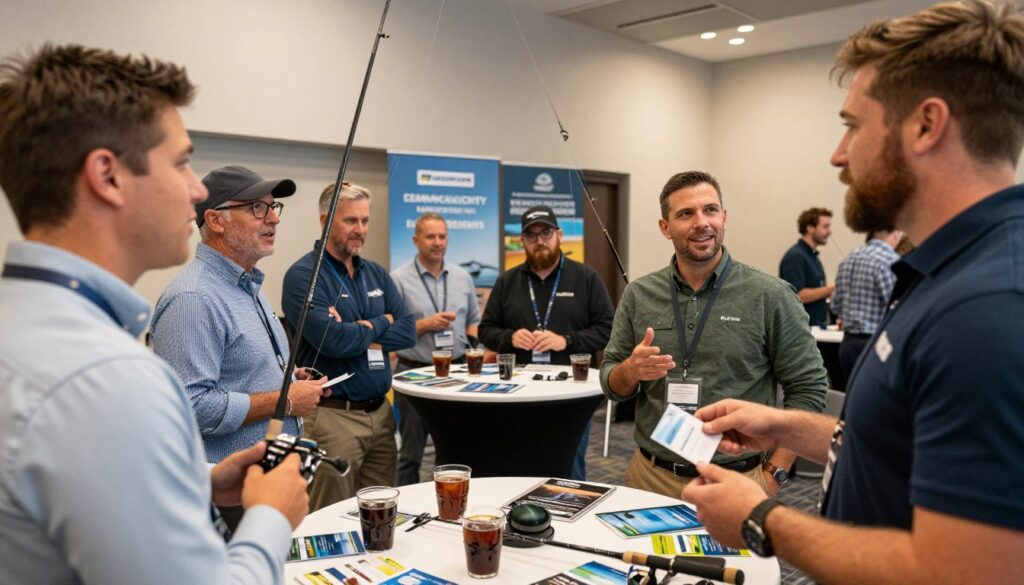
Networking is also important. Go to industry events, meet outdoor writers, and connect with other anglers. This can lead to introductions that help you get noticed.
Don’t give up, but don’t be too pushy either. In your proposal, list what you can offer, share examples of your work, and show how you can help the brand succeed.
For more tips on sponsorship, listen to the BAM Podcast with Darryl Burkhardt. It’s a great resource for anglers.
Ensuring Mutual Benefits
Sponsorships are all about mutual benefits, creating a win-win situation for everyone. It’s not just a deal; it’s a business partnership where everyone gets value.
Anglers, brands, and event organizers all have important roles. Here’s how:
- Anglers: They get the money they need to fish competitively. Costs can be over $10,000 a season, covering fees, fuel, lodging, and gear.
- Brands: They get to reach a dedicated audience, eager to buy gear and equipment at tournaments.
- Event Organizers: They get the funds to offer big prizes, attracting top anglers and media.
Bob Bagby says quality is more important than quantity in sponsorships. For example, SPRO’s support for college angling programs is a great example. SPRO builds loyalty with the next generation, while college anglers get gear and support, boosting tournament credibility.
Integrated sponsorship roles are becoming more popular. Sponsors get involved in demo zones, livestreams, and content creation, not just logo placements. Top sponsors see 63% more annual engagement with this approach.
Angler networking is also key. By working with many sponsors, anglers build a strong support network. This network helps their careers grow and stay strong.
Maintaining Trust
Trust is the cornerstone of successful sponsor partnerships. In sponsorship, trust grows from keeping promises and clear talks. Today’s sponsorship deals are more detailed, covering things like social media and performance goals.
Bob Bagby says companies use digital tools to check if influencers do their job. He notes that some top athletes lost sponsors because they forgot about marketing. But, mid-level athletes who focus on their brand can do very well.
Keeping sponsors happy means sending them reports after events. These reports should include numbers and photos of the brand in action. It’s also key to keep agreements clear and not sell rights to other brands.
Anglers should use products honestly and talk openly about any problems. Being honest about their audience size and engagement is important. This helps set up stronger sponsor relationships.

For more on sponsors in bass tournaments, see this guide. Also, learn about payouts and incentives for bass events here.
Successful Sponsorship Stories
Real-world examples show the power of angler networking. Bob Bagby worked with Zebco and Quantum for thirty years. He built lasting relationships with anglers like Bill Dance and Kevin VanDam. This shows how dedication and respect can lead to success.
Tom Rowland learned a lot from Bagby. Under his mentorship, Rowland understood sponsorship’s complexities. His story proves even top anglers start from scratch. They grow through relationships and sharing knowledge.
Mercury Marine used new strategies to engage fans. Their demo zones at tournaments increased visitor time by 22%. This shows how stories can make brands more visible. SPRO’s support for college angling programs builds loyalty among young anglers, ensuring growth.
The BAM Trail Pro-Am Championship is a great example of sponsorship success. With a $100,000 Classic Championship in 2026, it shows how partnerships can create lasting success. This event is a model for both aspiring anglers and brands.
Today, sponsorship is all about storytelling, not just logos. Successful networking is about building deep, meaningful relationships. By working together, anglers and brands can thrive in the changing media world.