

A bass tournament community is built before the first boat number is called and judged after the weigh-in crowd leaves. As an angler and event organizer, I have learned that the strongest local tournaments are not measured only by winning bags. They are measured by whether local businesses can see real traffic, whether young anglers feel welcome, whether fish care is treated as standard practice, and whether the host water is respected after the banners come down.
The research available on fishing tournaments supports that broader view, but it also calls for caution. Economic impact, conservation value, and civic pride are not automatic results of holding a bass event. They depend on registration systems, volunteer work, sponsor fit, fish-handling rules, agency coordination, and honest post-event review. That is where community involvement becomes more than a feel-good phrase.
Why A Bass Tournament Community Matters
Bass Tournament Community Starts Before Launch
The first community decision is whether the event is organized around the lake or only around the anglers. A local tournament needs ramps, parking, lodging, fuel, food, tackle access, weigh-in space, and a plan for non-anglers who come with competitors. If those pieces are handled by only one tournament director, weak spots show up quickly. If local businesses, tourism offices, conservation officers, volunteers, and fishing clubs share the work, the event has a better chance to serve the whole town.
Recent research cited for South Carolina Bassmaster Elite Series host communities reported increases in business activity around event periods, with hospitality, recreation, and retail named among the sectors seeing spillover effects. The research notes also cite Lake Murray Country estimates from 2001 through 2025: 26,000 professional anglers hosted, $35.9 million in direct economic impact, and $61.3 million when TV-marketing value is included. Those figures come from a major tournament setting, not a Saturday club derby, so small towns should not copy the numbers onto their own budgets. The more useful lesson is that host communities need to track what they can verify: room nights, restaurant activity, ramp use, volunteer hours, youth participation, charity receipts, and cleanup costs.
Local Spending Needs Local Planning
A tournament can bring outside spending, but community value depends on whether local people are ready for it. The Lake Murray research notes estimated pro fishermen’s daily spending on lodging, meals, and gas at $686 or more as of 2024. That kind of spending helps explain why chambers and tourism boards care about major events. For local bass tournaments, the scale is usually smaller, yet the planning principle is the same: anglers spend where access is clear, hours are posted, parking is workable, and businesses know the event schedule.
Sponsors pay attention to that planning. A bait shop, marina, diner, fuel station, or local service company wants more than a logo on a flyer. They want signs that the event reaches real people and treats the host community well. I like sponsor packages that connect money to visible needs: youth trophies, conservation supplies, water for volunteers, fish-care gear, or post-event cleanup. That gives supporters a reason to return without asking them to fund vague promises.
That same approach is discussed in local terms in community fishing events build local value, where the focus is on measurable outcomes rather than broad claims. For related community coverage across the same publishing network, noticiasbo provides a comprehensive news perspective that goes beyond tournament logistics.
Fish Care Gives The Event Credibility
Agency Research Supports Better Reporting
Community involvement should also show up in how fish are handled. A tournament that draws boats but ignores fish care weakens its own case with residents, agencies, and anglers. A survey of U.S. state fishery agency administrators found that tournament fishing benefits ranked highest in areas such as enhancing agency effectiveness, stimulating interest in fishing and fishery resources, measuring economic value, and collecting biological information, according to the USGS tournament survey. That does not mean every event produces those benefits. It means the structure of tournaments can help agencies when information is collected and shared.
That point matters for small events. A club tournament can record number of boats, species targeted, number of fish weighed, release procedures, water temperature if measured, and any observed mortality. Those records may not replace formal science, but they can support better conversations with fisheries staff. They also show residents that tournament anglers are not just extracting value from the lake; they are helping document use of the fishery.
Fish Handling Is A Community Standard
The New York black bass angler research reviewed angler views on tournaments and fisheries management, and the research notes connect tournament participation with conservation awareness, fish care practices, catch-and-release systems, and reporting expectations in local fisheries discussions. The New York bass angler report is useful because it treats tournament culture as part of fishery management, not as a separate social activity.
In practical terms, a local event should make fish care visible. That can mean clear livewell expectations, weigh-in flow that limits bag time, trained volunteers at the scale, release boats where appropriate, and plain instructions for new competitors. The bass tournament community earns trust when fish care is not left to habit or peer pressure.
- Publish event rules before registration, including fish-handling and release expectations.
- Assign volunteers to ramp flow, weigh-in movement, youth activities, and cleanup.
- Ask sponsors to support specific needs such as release equipment, water stations, or junior prizes.
- Share basic post-event data with anglers, sponsors, and community partners.
Participation Is A Retention Issue
Young Anglers Need More Than A Weigh-In
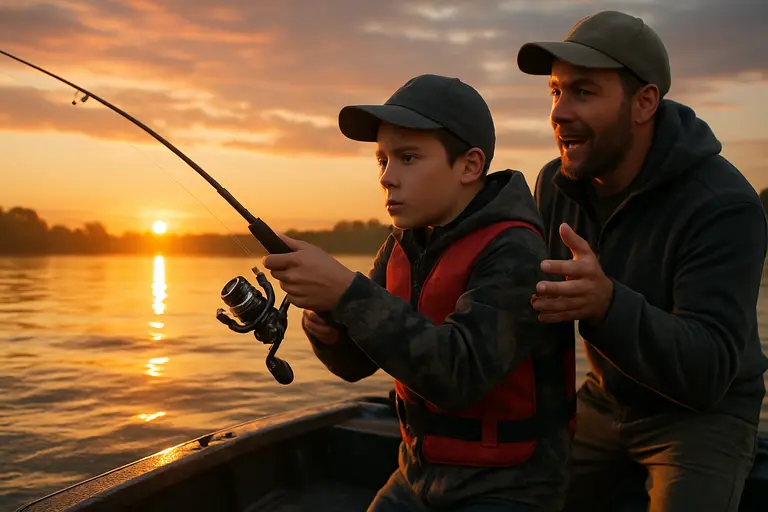
The supplied research notes cite the 2026 Special Report on Fishing from the American Sportfishing Association, which found that 57 million Americans went fishing in 2025, about 18% of the U.S. population, while also reporting a drop of nearly 1 million anglers year over year. That participation decline gives local events a clear job: help people stay connected to fishing, especially families, students, and new anglers who may not own tournament gear.
College fishing also matters here. Research notes from July 2026 cite the Association of Collegiate Anglers entering its 21st season of the Bass Pro Shops Collegiate Bass Fishing Series, with survey data from nearly 700 college anglers across two spring 2026 events. That does not prove every local tournament will attract younger competitors. It does show that organized fishing remains a pathway for student participation. Local clubs can support that path by offering marshal roles, bank-fishing clinics, junior divisions, conservation workdays, and simple volunteer jobs at weigh-in.
Sponsors Respond To Visible Community Work
The strongest sponsor conversations are built on proof. If a tournament can show how many anglers registered, how many youth attended, how cleanup was handled, what local partners contributed, and what was learned about the fishery, the ask becomes more credible. If the only pitch is exposure, the sponsor has little to measure.
For a bass tournament community, sponsorship should connect to service. A fuel sponsor may support safety boats or ramp volunteers. A restaurant may feed workers. A tackle shop may support junior awards. A civic group may help with parking or trash pickup. These are not side jobs. They are the operating system of a local event.
Bass Tournament Community Accountability
The final test is what happens after awards are handed out. A serious organizer should review what the tournament delivered and what it cost. Did local businesses know the schedule early enough? Were launch and weigh-in areas safe and orderly? Were fish moved quickly through the scale? Did volunteers have enough support? Were sponsors thanked with real numbers rather than empty praise? Did the event leave the ramp cleaner than it found it?
That kind of review keeps claims grounded. A bass tournament community should be proud of a strong turnout, but turnout alone is not the whole story. The better standard is shared benefit: anglers get a fair event, sponsors get visible value, residents see respectful conduct, and fisheries staff receive useful information where possible.
Local bass fishing tournaments can build community value, but only when the community is included in the design. The weigh-in may draw the crowd, yet the real measure is whether the event strengthens the relationship between anglers, businesses, families, and the water they all depend on.