

The Bass Pro Tour finale on Lake Erie is not just the last regular-season stop. It may become the tournament where anglers learn whether a safe finish, a risky smallmouth run, or one bad weather decision can reshape an entire season.
That pressure fits the broader rhythm of the bass tournament schedule, where the late-season events are rarely just about trophies. At Erie, the leaderboard could decide championship access, career momentum, and who gets to keep chasing the biggest money left on the board.
The Bass Pro Tour Finale Has More Than One Finish Line
The official Stage 7 setup puts the Bass Pro Tour on Lake Erie out of Sandusky, Ohio, from Aug. 6-9, with daily launches and live coverage built around a full tournament schedule. That alone would make it a major stop, but the season-ending timing gives it sharper teeth.
Some anglers will be fishing to win. Others will be protecting points. A few will be trapped between both instincts.
That is where The Champions bubble enters the story. MLF’s late-season coverage has already made clear that qualification stakes are tied to the finale, with The Champions positioned as a high-dollar postseason target. The pressure is not theoretical when a single finish can affect access to an event carrying a $1.25 million top prize.
This is points-race pressure with big-water consequences.
Lake Erie Can Punish The Wrong Kind Of Confidence
Lake Erie is not a normal finale venue. The lake can reward boldness, especially when smallmouth are reachable and weather allows anglers to run. It can also turn a confident plan into wasted time if wind, waves, or fish movement undercut the morning plan.
The event’s Lake Erie tournament details list Sandusky as the tournament location, with lines in at 7:45 a.m. and lines out at 3:45 p.m. That eight-hour window sounds straightforward until the water itself starts deciding what is realistic.
Erie forces anglers to think beyond fish location. Boat control, running time, wave management, launch decisions, and fatigue can all become part of the competitive equation.
A great school of smallmouth is only valuable if an angler can reach it, fish it cleanly, and keep the day from turning into survival math.
The Bubble Could Split The Field
The most interesting part of Stage 7 may be how differently anglers approach the same lake. A pro safely inside qualification lines can chase a win with less fear. A pro sitting near a cut line may need the kind of finish that avoids disaster more than it creates fireworks.
That creates multiple tournaments inside one event.
| Angler Situation | Likely Mindset | Erie Risk | Best Strategic Signal |
|---|---|---|---|
| Safely inside key cuts | Chase the trophy | Long runs and weather exposure | Smallmouth quality |
| Near The Champions line | Protect value | Over-gambling on rough water | Stable scorable bites |
| Near REDCREST pressure | Avoid collapse | Losing time on dead water | Consistent daily floor |
| AOY contender | Balance win and points | One poor decision swings race | Adaptability by period |
| Outside major cuts | Swing hard | Forcing a low-percentage bite | Big-school upside |
The danger is obvious. The same decision can be smart for one angler and reckless for another.
Casey Ashley Shows How Personal This Finale Can Get
Casey Ashley’s situation gives the bubble a human face. The veteran enters Lake Erie with both The Champions and REDCREST implications in play, and MLF’s season-finale pressure story framed his scouting trip as a sign of how much the last stop means.
That matters because Ashley is not simply chasing a headline. He is trying to convert a full season of work into postseason opportunity.
For anglers around those lines, pressure can cloud judgment. A bad start might tempt them to force a risky run. A decent morning might make them too protective. A late bite elsewhere on SCORETRACKER can make a solid plan feel too slow.
That is mental weight, not just tournament math.
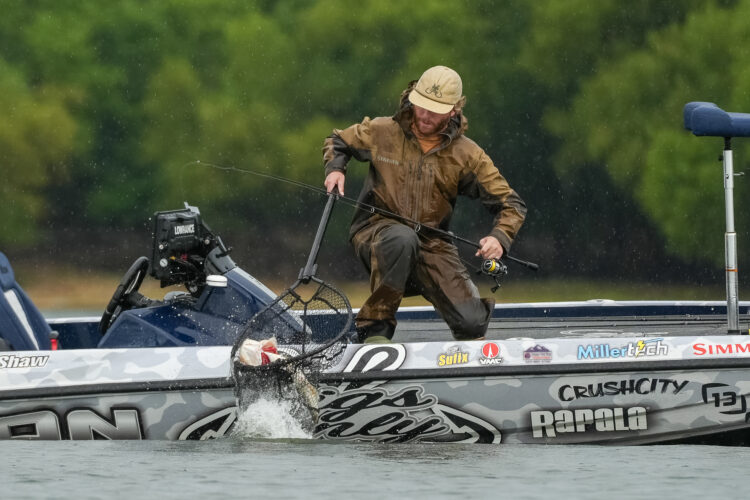
Smallmouth Upside Has To Beat Largemouth Safety
Erie’s species choice could become the defining strategic split. Smallmouth may offer the higher ceiling if weather cooperates. Largemouth may offer a safer path if protected water becomes more practical.
The trap is assuming one answer before the tournament starts.
Smallmouth hunters may need cleaner water, longer rides, sharper electronics work, and enough quality to justify the risk. Largemouth anglers may need to avoid falling behind if scorable weight becomes harder to stack. In every-fish-counts scoring, numbers and size have to be weighed differently than they would in a five-fish event.
That makes species selection a pressure point rather than a preference.
The Forecast May Decide The First Move
The most important signal before the finale may not come from practice reports. It may come from the wind forecast.
If Erie lays down, more anglers may feel invited into the smallmouth game. If the lake gets rough, protected largemouth water can become more attractive, especially for anyone trying to protect a points position. If conditions change day to day, the winner may be the angler who refuses to make one plan too sacred.
The Bass Pro Tour finale has the right ingredients for a messy, fascinating finish: big water, real-time scoring, qualification pressure, and anglers with very different needs. Lake Erie may crown a winner, but the deeper story could be who survives the bubble without letting the lake talk them into the wrong gamble.