

When bass follow lure but won’t bite, the problem is rarely as simple as “they are not feeding.” A following fish has already shown interest, but something about the bait, speed, angle, size, sound, or timing is keeping it from committing. That small hesitation is where many anglers lose the day, because they change everything instead of reading the follow correctly.
The smartest adjustment starts by treating a follow as information, not failure. Bass Lake Roadhouse readers already know the difference between finding fish and making them bite, especially when reaction baits and finesse rigs both have a place in the same day’s decision-making. That is why this problem connects naturally with reaction and finesse strategy: the right answer may be to speed up, slow down, shrink down, or simply show the fish a better angle.
A Follow Is A Clue, Not A Rejection
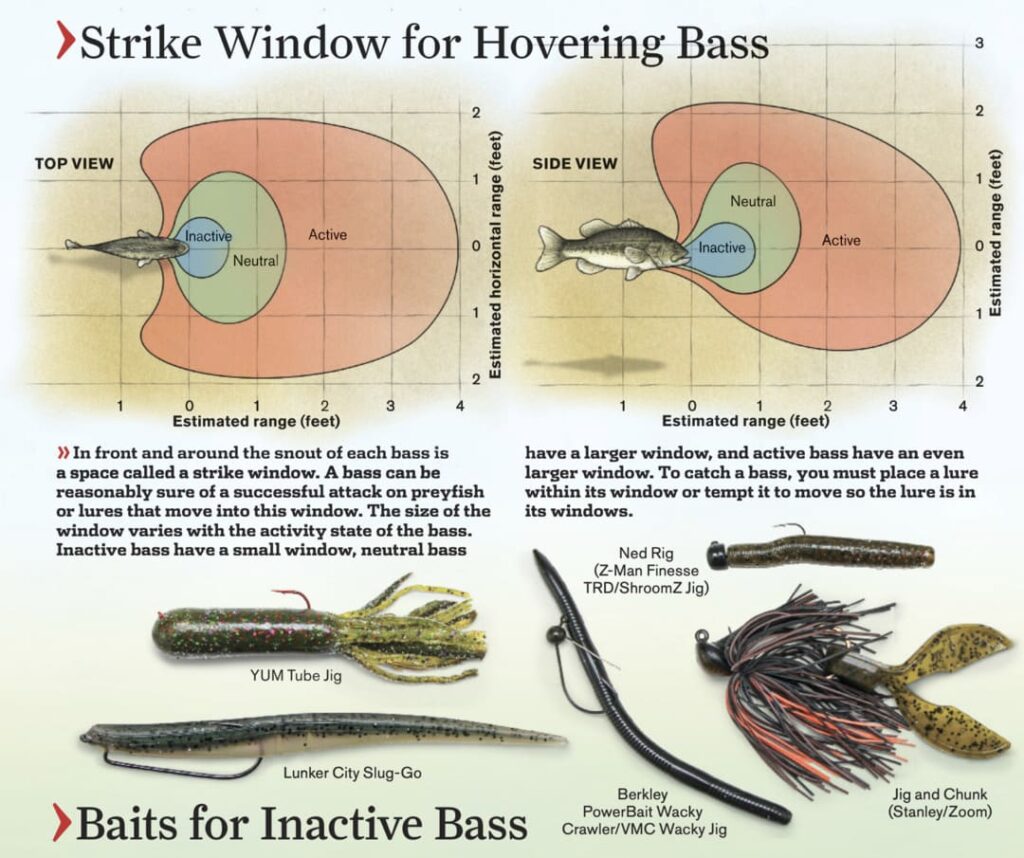
A bass that tracks a lure is telling you the bait is close enough to matter. It may match the right depth, travel through the right zone, or look enough like food to earn attention. The miss happens between interest and commitment.
That gap can be tiny. The lure may be moving too evenly. The color may be too loud in clear water. The bait may be the right style but the wrong size. The retrieve may bring the lure directly at the fish instead of across its face.
This is why a follow should narrow your choices, not send you into panic mode. If bass are watching but not eating, the location is probably not the first thing to abandon. The first move is to adjust the presentation.
Why Bass Follow Lure But Won’t Bite In Clear Water
Clear water makes this problem more obvious because anglers can actually see it happen. The fish appears behind a swimbait, jerkbait, spinnerbait, wake bait, or topwater, follows for several feet, then fades away like it changed its mind.
It may not have changed its mind. It may have inspected the bait too long.
The U.S. Fish and Wildlife Service describes largemouth bass habitat as including lakes, ponds, rivers, creeks, and areas with aquatic vegetation and cover, which helps explain why bass often follow baits around weeds, docks, and shoreline structure.
If the fish has too long to study the bait, small flaws become bigger. A lure that looks good from 10 feet may look wrong from two feet.
The Biggest Mistake Is Changing Too Much
Many anglers see a follower and immediately swap lure categories. A spinnerbait becomes a worm. A jerkbait becomes a jig. A swimbait becomes a topwater. Sometimes that works, but it can also erase the best clue you had.
The fish already followed. That means the general idea had value.
A better sequence is smaller and more disciplined:
| What You See | Likely Problem | First Adjustment |
|---|---|---|
| Bass follows slowly, then sinks away | Bait may be too fast or too bold | Slow down or downsize |
| Bass rushes the bait but stops short | It may need a trigger | Add a pause, twitch, or speed change |
| Bass follows from far behind | Lure may be in the right zone but not convincing | Change angle or profile |
| Bass tracks topwater without striking | Fish may be curious but cautious | Pause longer or switch to subsurface |
| Bass follows near cover but will not eat | Cast angle may be exposing the bait too early | Bring the lure past cover differently |
Small changes protect the pattern. Big changes should come after the fish keeps giving you the same answer.
Speed Can Make Or Break The Bite
Retrieve speed is often the quiet culprit. A lure moving too slowly can give bass too much time to inspect it. A lure moving too quickly can keep a neutral fish from closing the final gap. The right answer depends on the attitude of the fish.
A follower that trails lazily may need a bait that suddenly darts, stops, or falls. A follower that charges and misses may need the opposite: a brief pause, a wider wobble, or a cleaner target. The trigger is often the change, not the retrieve itself.
This is why jerkbaits, flukes, soft swimbaits, glide baits, and topwaters create so many visible follows. They invite the fish to react, but they also reveal hesitation. The retrieve must give the bass a moment where eating feels easier than watching.
Size, Color, And Sound Can Be Just A Little Wrong
Bass do not always reject a lure because it is terrible. Sometimes it is only slightly wrong.
A bait that is too large can draw followers from bigger fish but fail to close the deal. A bait that is too small can look easy to eat but lack enough presence to force a reaction. Bright colors can help in dirty water, but in clear water they can look suspicious. Natural colors can be perfect, but they may disappear when wind, stain, or low light reduces visibility.
Sound works the same way. A rattle can help bass find a bait around grass, chop, or stained water. In calm, clear conditions, that same sound may feel excessive. The best adjustment is usually one step away, not a full reset.
If a white bait gets followed, try a more translucent shade. If a loud bait gets inspected, try silent. If a large profile gets attention but no bite, move down slightly before abandoning the whole pattern.
The Small Clues That Tell You What To Change Next
The most useful information comes from how the bass follows. A fish that appears suddenly from cover and turns away may be reacting to the wrong cast angle. A fish that stays behind the bait for a long distance may want a different speed. A fish that noses up to the lure and fades may be rejecting profile, color, or movement.
Season still matters, too. State fishing guidance from Massachusetts notes broad seasonal shifts for largemouth and smallmouth bass, including shallow feeding before spawning, spawning in late spring or early summer, and summer patterns where smallmouth may seek deeper, cooler water while largemouth can still relate to shallow feeding areas. That reminder matters because a follow in spring may mean something different than a follow during hot, bright summer conditions.
The risk is overreacting. If bass follow lure but won’t bite, the fish are giving you a chance to solve the day instead of starting over. Stay in the right zone, make one clean adjustment at a time, and read the fish’s body language before changing locations.
State bass guidance on seasonal bass behavior shows how largemouth and smallmouth locations shift through spring, spawn, and summer patterns, which is why a follow can mean different things depending on timing and water conditions.
Bass Lure FAQ’s
Why do bass follow lures without striking?
Bass often follow when the lure is close enough to interest them but not convincing enough to trigger a strike. Speed, color, size, sound, angle, or too much inspection time can all stop the bite.
Should I change lures after a bass follows but does not bite?
Not immediately. Start with a smaller adjustment, such as changing retrieve speed, pausing longer, altering the cast angle, or downsizing. If several fish follow without biting, then a lure change makes more sense.
What lure works best for bass that only follow?
There is no single best lure, but soft jerkbaits, finesse swimbaits, weightless plastics, and subtle jerkbaits often work well. The better choice depends on water clarity, fish mood, cover, and how the bass followed.