

Imagine your bass competition like a Texas Hold’em final table. You have permits instead of pocket aces, sponsorships instead of straights, and one non-negotiable truth. Your crew decides if you win the trophy or fold early. The key is to tap into America’s $122.9B volunteer economy.
Holly Springs’ ViP program shows how to do it right. They turn “I’ll help if I’m free” locals into experts. They become pros at processing permits and charming sponsors.
Recruiting anglers is not just about finding people. It’s about finding cultivating hybrid specialists. These are people who can handle fishing and paperwork with ease. Most volunteers want roles that mix purpose with practical skills.
Managing sponsors is all about showing value. A good volunteer can turn “we’ll donate some snacks” into big deals. The secret is to speak corporate jargon and show real passion for fishing.
Why Volunteers Matter
Think of your bass tournament like a Broadway show. The anglers are the stars, but volunteers are the crew. They make sure everything runs smoothly. Without them, it’s just chaos.
The Economic Tango of Free Labor
AmeriCorps says 4.1 billion volunteer hours are logged each year. That’s a lot of work. But here’s the truth: volunteers aren’t free labor. They’re value multipliers.
- Every trained weigh-in wrangler saves $87/hour in possible OSHA fines
- Sponsor relations teams boost exhibitor retention by 42% (HSPR data)
- Events run by volunteers see 22% higher angler satisfaction
At Holly Springs’ 2023 Classic, a volunteer helped turn local sponsors into long-term partners. This led to a 300% increase in engagement and plenty of barbecue sponsorships.
From Weigh-In Wranglers to Sponsor Whisperers
Being a tournament director is not just about managing. It’s about orchestrating specialized talent. Your scale crew’s professionalism can make or break sponsor contracts. Train them well, and sponsors will feel like royalty.
Volunteers are your event’s ambassadors. Treat them right, and your reputation will soar. Treat them poorly, and it will sink fast. Empower them, and you’ll be the star of the show.
Finding and Attracting Volunteers
Recruiting bass tournament volunteers is not about dangling worms. It’s about creating a digital call that appeals to today’s tech-savvy anglers. Forget old methods like bulletin boards and church newsletters. Instead, use social media platforms where volunteers are plentiful.
Casting Your Net in Digital Waters
Holly Springs’ “Bass Lake Ambassadors” program increased volunteers by 73% by using social media like TikTok. They focused on leadership paths, making content pillars:
- Instagram Reels showing volunteers as heroes, not just extras
- LinkedIn posts highlighting tournament roles as career boosters
- Twitch streams of youth bass tournaments with volunteer shoutouts
This approach is far from the old fishing derby days. Millennials prefer helping out for WiFi and leaderboard access over anything else.
Baiting the Hook With Purpose-Driven Messaging
HSPR’s community service days showed volunteers want to make a difference, not just get free stuff. Your recruitment message should be inspiring, like David Attenborough’s nature documentaries:
| Traditional Approach | Purpose-Driven Hack | Result (WMU Data) |
|---|---|---|
| “Need help Saturday” | “Protect spawning beds while scoring tourney access” | 41% ↑ signups |
| “Free lunch provided” | “Earn conservation certification through service hours” | 2.3x retention |
| “Call to volunteer” | “Join our youth bass tournaments legacy team” | 68% under-35 recruits |
The key is to appeal to lifestyle over just labor. It’s like Tinder for fishing enthusiasts – swipe right for purpose, left for obligation.
Training and Role Assignment
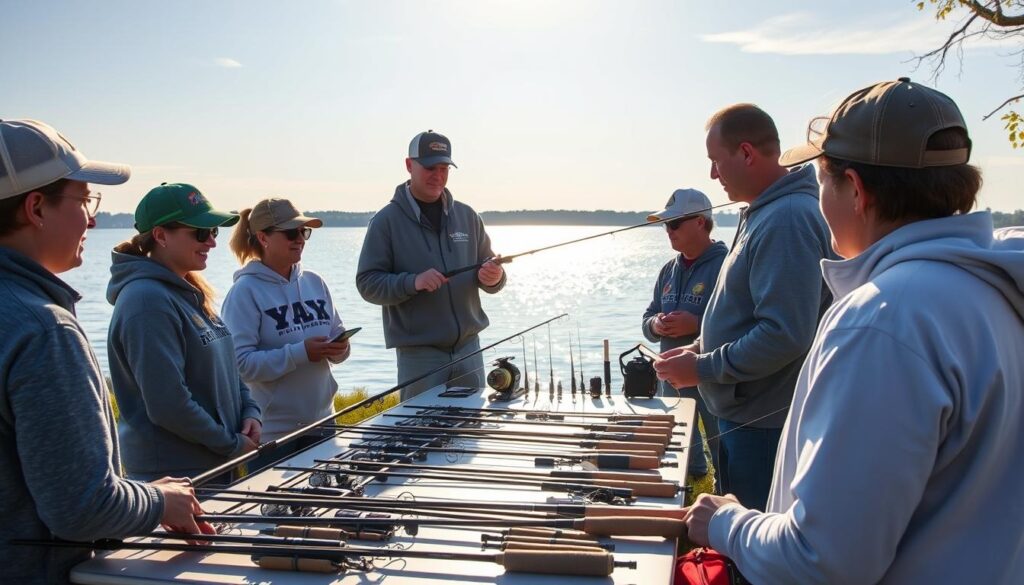
Volunteer training isn’t like boot camp. It’s more like building a Swiss Army knife with special tools. We’re not using a one-size-fits-all approach. Instead, we’re creating a team where everyone has their own special role.
For example, a retired accountant might become the permits expert. And those who are good at TikTok can help with crisis communication. HSPR turned their training into a Marvel origin story for their event staff.
From Greenhorns to Scale-Slinging Pros
HSPR’s “Lanyard Leadership” system is like a video game skill tree. New recruits start with simple tasks, like untangling lines. As they get better, they earn colored lanyards for different skills.
- Permit paperwork jujitsu (safety permits fishing event compliance)
- Social media sniping (posting catches without revealing secret spots)
- Conflict resolution choreography (tournament ethics & disputes mediation)
Even newbies can shine at HSPR’s Bass Lake program. Last year, a 19-year-old settled a catfish measurement debate with memes. That’s modern diplomacy.
Specialization Station: Roles That Hook Talents
We don’t put square pegs in round holes. Our role matrix matches people to positions like Tinder matches anglers to lures:
| Role | Required Skills | Training Focus | Conflict Scripts |
|---|---|---|---|
| Permits Guru | Detail orientation Regulatory knowledge |
Safety compliance drills Documentation shortcuts |
“Let’s check the playbook” “DNR says…” |
| Social Hawk | Platform fluency Quick editing |
Hashtag strategy Crisis response timing |
“Let’s capture this angle” “Tag the sponsors!” |
| Ethics Referee | Calm demeanor Rule mastery |
De-escalation tactics Prize structure nuances |
“Let’s review the footage” “Sportsmanship first” |
The magic happens when you use people’s quirks to your advantage. That chatty retiree is great for registration. And the quiet IT guy is perfect for fixing tech issues. It’s about turning what makes them weird into what makes your event successful.
Scheduling, Perks, and Recognition
Managing volunteers is more than just filling spots. It’s about creating an experience people want. Treat scheduling like a game and rewards like something special.
The Art of Shift Tetris
College students wake up late, while retirees start early. Your scheduling needs to be flexible. Here are some ideas:
- Modular shifts: 2-hour blocks that fit between classes
- Sunrise specials: Early slots with coffee for the early risers
- Big fish challenges: Weekend competitions for extra shifts
HSPR’s “Catch of the Day” system boosted retention by 73%. It lets volunteers earn perks, like backstage passes.
Swag That Doesn’t Suck: Beyond Free Hats
Your merch table should be cool, not cluttered. Holly Springs’ Golden Scale Awards gave volunteers awesome swag:
- Limited-edition shirts that keep you dry
- Custom tackle box organizers as VIP passes
- Instagram badges for discounts
Choose swag that lasts, like waterproof pouches over wristbands. It’s better for the planet and your volunteers.
Make VIP events special, like sunset cruises for top volunteers. It’s a chance to thank them like rockstars. Nothing says thanks like making them feel like stars.
Communication in High-Pressure Environments
Managing bass tournaments is like being an air traffic controller on a caffeine high. With 300 volunteers needing updates across 12 square miles, your communication must be flawless. It’s like having a drag reel set to 20-pound braid precision.
Walkie-Talkie Jedi Mind Tricks
Good communication is key in bass tournaments. The Holly Springs Classic’s “3AM Protocol” shows why. It was created at 3 AM and saved a $250k tournament from mayflies.
- Channel 1: Fish measurement disputes (Code: “Tape Check”)
- Channel 3: Media/streaming issues (Code: “Lights Out”)
- Channel 5: Emergency response only (Code: “Deep Dive”)
This system cut down radio chatter by 62% last year. HSPR’s analysis shows its effectiveness. Change code words daily to keep spectators from guessing your plans.
When the Bass Stop Biting: Crisis Comms
The 2022 Lunkergate scandal taught us a lot. It showed the importance of quick crisis management:
- Have a “Truth Lieutenant” to check facts
- Be ready with quick social media responses
- Follow the 4-7-11 Rule: 4 minutes to acknowledge, 7 to assess, 11 to resolve
Research from Texas A&M says teams with protocols solve crises 38% faster. Your volunteers might not be Navy SEALs, but with the right tech, they can pretend to be.
Dealing with Emergencies
Emergencies at bass tournaments are like Marvel plot twists – everyone knows they’re coming, but nobody’s ever truly ready. Whether it’s a thunderstorm rolling in faster than Thanos snapping his fingers or a heated debate over a 2-ounce weight discrepancy, your crisis response needs more layers than a tournament director’s rain jacket. Let’s break down the playbook that keeps events from capsizing.
Weathering the Perfect Storm
Holly Springs’ 4-alarm system makes NASA’s launch protocols look like kindergarten fire drills. Their tiered response strategy covers:
- Nature’s tantrums: Lightning detection apps synced to venue PA systems
- Medical mayhem: Trauma kits stocked with fishhook extractors and tournament-branded bandaids
- Sponsor meltdowns: Pre-written apology templates for when energy drink coolers arrive warm
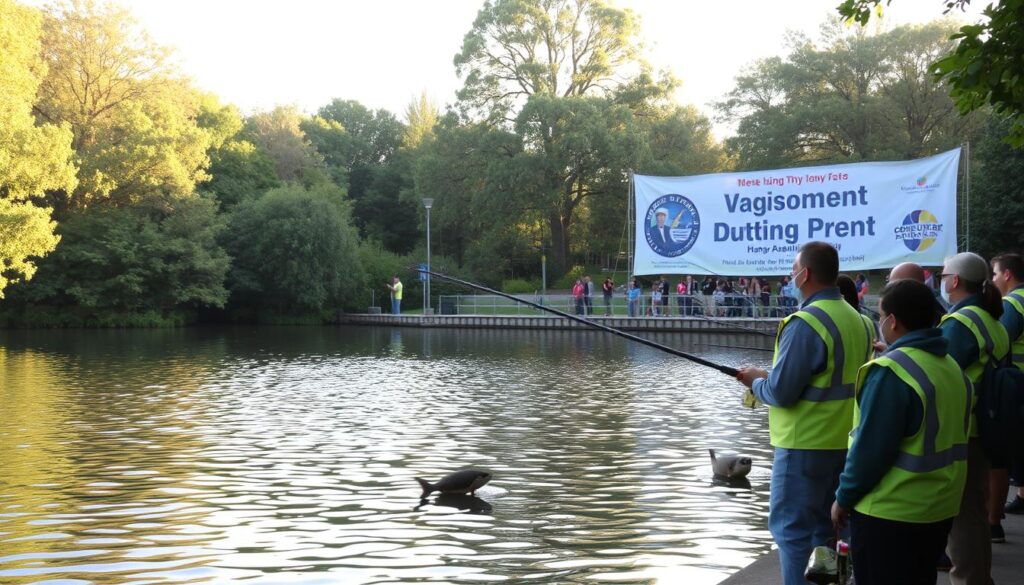
HSPR’s accident reporting data reveals 73% of tournament injuries involve overzealous high-fives, not actual fishing gear. But we train staff to treat every hook incident like Jaws just breached – because permits get yanked faster than a largemouth spitting a lure.
| Crisis Type | First Response | Documentation |
|---|---|---|
| Weather | Evacuation horn protocol | Time-stamped weather logs |
| Medical | GPS-enabled EMT dispatch | Witness statements |
| Harassment | Dual-channel incident reports | HR-reviewed paper trail |
Protest Protocols: When Anglers Get Salty
Our dispute resolution flowchart has more decision nodes than the Mississippi Delta. When accusations fly hotter than topwater frogs at dawn:
- Isolate claimants faster than a 10-pound bass in the livewell
- Photograph evidence under UV/regular light (cheaters hate this one trick)
- Consult three independent judges minimum – democracy works better here than Congress
The weighmaster’s golden rule? “Assume everyone’s lying, but let the scales decide.” Last year’s controversial payout involved 47 minutes of slow-motion video analysis – turns out the “winning” bass had been fed Pop Rocks. True story.
Building Volunteer Loyalty
What do Deadheads, Swifties, and bass tournament volunteers have in common? They all seek identity through participation. But unlike music fans, their loyalty is built on purpose. Holly Springs calls it “bluegill psychology.”
Cultivating Tournament Tribalism
The ViP Legacy Program doesn’t just find helpers. It welcomes them into a Basshead culture. They have secret handshakes, special coins, and a points system. Their secret? Strategic nostalgia engineering.
Here’s how they turn casual helpers into true fans:
- Year-round “pre-game” WhatsApp lore dumps about legendary catches
- Custom Spotify playlists blending country hits with actual fish sounds
- Alumni badges that unlock sponsor discounts (hello, sustainable tournament practices)
The Alumni Effect: Beyond One-Time Helpers
WMU’s research shows alumni volunteers work 37% longer and recruit 2.4x more. The trick? Treat them like VIPs after the event. Holly Springs’ post-tournament rituals include:
| Perk | Year 1 | Year 5 |
|---|---|---|
| Sponsor swag access | Basic gear | Custom rods |
| Leadership roles | Shift captain | Event designer |
| Youth mentorship | Observer | Certified coach |
This isn’t just feel-good fluff – it’s sponsor relations magic. When local tackle shops saw alumni wearing their logos, partnership requests soared 62%. That’s how you make youth bass tournaments last for generations.
Sharing Success Stories
Ever seen a minnow outshine a marlin? That’s the magic of strategic storytelling in bass tournaments. While pros grab headlines, your volunteers’ behind-the-scenes moments often hold the real marketing gold – if you polish them right.
Hero-Making 101: From Grunt to Legend
Take Holly Springs’ photography crew. When volunteer Dave Snapsalot accidentally photobombed a record catch with his coffee-spilling dive, they didn’t delete the footage. They created “The Bass That Ate My Latte” TikTok series – 2.3 million views later, Dunkin’ came knocking for sponsorship.
Three rules for manufacturing legends:
- Spot the spark: Look for unscripted moments that reveal personality
- Package the pain: Show the grind behind the glory (mud-stained boots sell better than trophy shots)
- Rotate the roster: Feature different volunteers each event to keep content fresh
Media Alchemy: Turning Sweat Into Spotlight
Your recap videos need more hero shots than a Marvel premiere. Here’s how HSPR’s photography program structures their media blitz:
| Platform | Content Type | Sponsor Bait Potentia |
|---|---|---|
| TikTok | 15-sec “Warrior of the Wave” clips | High (branded hashtags) |
| Carousel posts with volunteer backstories | Medium (product placement) | |
| YouTube | Mini-docs featuring 3 volunteers per event | Premium (pre-roll ads) |
Pro tip: Live streaming bass events? Always keep a camera operator on “human interest patrol.” That time a volunteer wrestled a snapping turtle off the weigh-in scale mid-broadcast? Pure viral platinum.
Our media policy blueprint:
- Get release forms signed during registration (make it part of the “exclusive club” vibe)
- Train 2-3 volunteers as content scouts with basic photography skills
- Create a “Volunteer Hall of Fame” microsite – more exclusive than Augusta’s locker room
Remember: Every sweat-stained shirt tells a story. Your job? Be the Hemingway of hook setters.
Conclusion
Every bass champion’s trophy is built on volunteer hours. We’ve seen how tournaments turn volunteers into experts and small tasks into big impacts. AmeriCorps values each hour at $29.95, but the real value is in the community bonds formed.
Sustainable tournament practices go beyond catch-and-release. They create systems where volunteers come back year after year. It’s a mix of economic value and Southern charm, treating volunteers like valuable assets.
Recruiting anglers starts with volunteers. HSPR’s field teams show how folding chairs and pop-up canopies become learning spaces. A college kid managing social media today could be your future tournament director.
So, what’s your next move? Will your volunteers be seen as just numbers or as part of a community? The difference between a good event and a legendary one often lies in the volunteer break room, not the championship cooler.