

St. Johns River restoration is not just a conservation headline tucked away from the boat ramp. For bass anglers, it is a direct warning that the health of a fishery depends on grass, water quality, spawning cover, forage, and local pressure long before a tournament scale ever opens.
That is why the recent $5,000 “We Work For Water” grant from Major League Fishing’s Fisheries Management Division and Zoeller Pumps to Mighty River Recovery deserves more attention than the dollar figure alone. Anglers can obsess over bait choice, sonar angles, and dock positioning, but stories like the Lake Norman swimbait pattern that nearly beat the winning dock bite all point back to the same truth: productive bass fishing starts with habitat that gives fish a reason to live, feed, and reload.
St. Johns River Restoration Is A Bass Fishing Issue First
The St. Johns River is not just another Florida waterway with a conservation project attached to it. It is a historic bass system, a community resource, and a measuring stick for what happens when anglers, local groups, industry partners, and water managers all have skin in the same fight.
The grant itself supports Mighty River Recovery’s work around native habitat, water quality, and submerged vegetation on the St. Johns River. That may sound like environmental housekeeping to casual readers. To bass anglers, it is the foundation under everything they care about.
Submerged vegetation is not decoration. It creates ambush cover, protects juvenile fish, stabilizes bottom areas, improves water clarity, and supports the forage chain that keeps larger bass in a system. When grass disappears, the lake or river does not simply look different. It fishes different.
A bass that once had shade, cover, oxygen, and food may be forced into less predictable zones. Spawning success can become more fragile. Baitfish movement changes. Tournament patterns become thinner. Local anglers feel it first because they are the ones who remember what certain stretches used to produce.
Habitat is the pattern before any lure ever becomes one.
A Small Grant Can Signal A Much Larger Shift
Five thousand dollars will not restore a river by itself. That is not the point. The sharper takeaway is that fishing organizations and industry partners are increasingly treating habitat as part of the sport’s core infrastructure.
Major League Fishing’s official announcement around the We Work For Water grant frames the support around restoration, research, and citizen-led conservation. That last part matters. A fishery this large cannot be protected only from offices, boardrooms, or weigh-in stages. It needs people on the water who notice decline before it becomes normal.
For anglers, the risk is complacency. When a fishery has a big name, a strong history, or a famous stretch of water, it is easy to assume it will always recover on its own. Florida bass waters have a way of looking alive even when the underlying habitat is under strain. There may still be fish caught. There may still be tournaments. There may still be social media photos that make everything look fine.
But a bass fishery can decline gradually enough that every bad year feels explainable. Too much pressure. Bad weather. Weird spawn. Low grass. Dirty water. Tough conditions. After a while, those excuses become a new baseline.
Slow decline hides well because anglers are trained to adjust, not always to question what changed.
Grass Is Not Just Cover, It Is The River’s Bass Engine
Every bass angler understands grass at a practical level. Flip it. Swim a jig through it. Rip a lipless bait free from it. Pitch holes in it. Find cleaner edges. Follow the bluegill. Match the seasonal stage.
But grass matters long before it becomes a target on a Saturday morning.
Healthy submerged vegetation helps shape the entire food web. It creates nursery habitat for small fish. It gives baitfish protection. It filters and stabilizes parts of the water column. It gives bass a reason to hold shallow, ambush efficiently, and recover after spawning stress.
The St. Johns River Water Management District’s work around submerged aquatic vegetation in the Lower St. Johns River explains why underwater plant communities are treated as living infrastructure, not just scenery. That is the right frame for anglers, too.
Once vegetation fades, the consequences stack up. Bass may still exist, but the system gets harder to read. Productive banks lose definition. Bait spreads differently. Bottom composition matters more. Wind and current become harder to interpret. Anglers who used to build clean grass patterns start fishing memories instead of living habitat.
That is why restoration work is not separate from technique. It decides which techniques have a future.
The Community Piece Is Where This Story Gets Teeth
The most interesting part of the St. Johns River story is not that money changed hands. It is that a local restoration group is being pulled into a bigger bass-fishing conversation.
That matters because anglers often talk about conservation in broad, polite language until their own water starts slipping. Then it becomes personal. The missing grass bed is not abstract. The dead zone in a favorite creek is not theoretical. The disappearing bite is not a policy debate when it changes where your kid catches his first bass.
Community groups can apply pressure in ways larger institutions often cannot. They can document changes, mobilize local anglers, create public awareness, and keep issues visible after a tournament leaves town. They can also remind the fishing industry that local knowledge is not nostalgia. It is data with mud on its boots.
Local memory matters because long-term anglers know when a river’s normal has shifted. They remember which flats held grass, which edges carried bait, which springs kept water cleaner, and which stretches used to reload after pressure.
That does not mean every complaint becomes science. It means the best restoration efforts usually work better when they respect what everyday anglers are seeing from the deck of a boat.
What Anglers Should Take From The St. Johns River Grant
The practical lesson is not that every angler needs to become a full-time activist. It is that bass fishermen should stop treating habitat as someone else’s department.
Here is the cleaner way to look at the St. Johns River restoration story:
| Restoration Factor | Why It Matters To Bass | What Anglers Should Notice |
|---|---|---|
| Submerged vegetation | Creates cover, nursery habitat, and ambush zones | Grass loss, dead edges, missing bait, fewer shallow bites |
| Water quality | Supports forage, spawning success, and fish health | Clarity shifts, algae pressure, odor, unusual fish behavior |
| Native habitat | Helps stabilize natural bass movement and food chains | Changes in bank cover, plant diversity, and seasonal holding areas |
| Citizen involvement | Keeps local problems visible before they become accepted | Angler reports, photos, meetings, cleanup work, public pressure |
| Research and monitoring | Turns observations into better management decisions | Long-term tracking, vegetation maps, and restoration updates |
The table shows why a modest grant can still matter. It is not the finish line. It is a signal that the bass-fishing world is being forced to connect tournament culture with ecological maintenance.
Anglers love to talk about pattern development, but healthy fisheries are the original pattern. Grass, forage, water clarity, oxygen, shade, and spawning habitat tell bass where to live. The angler only enters the story after those pieces are already working or failing.
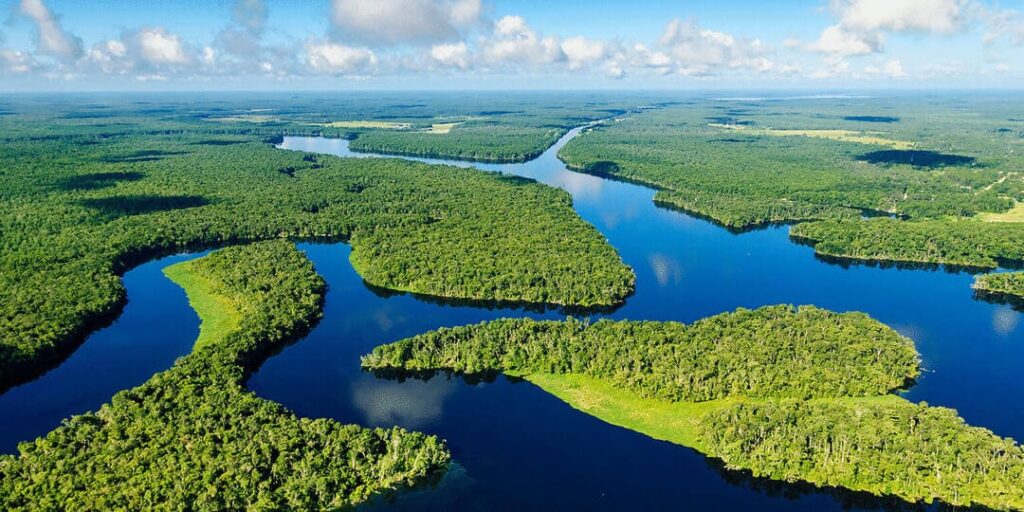
The Next Test Is Whether Attention Turns Into Pressure
The St. Johns River does not need one positive announcement and then a return to business as usual. It needs sustained attention, especially from the people who benefit most when the river fishes well.
That includes tournament organizations, sponsors, local businesses, weekend anglers, guides, conservation groups, and public agencies. Everyone likes a healthy fishery when it produces full bags and strong photos. The harder work is caring when the story is grass recovery, water quality, permitting, monitoring, and slow restoration timelines.
The signals worth watching now are simple. Does submerged vegetation recovery become measurable? Do local anglers see better habitat in places that have struggled? Do public agencies and grassroots groups keep working together? Does the broader bass industry continue funding habitat work after the headlines fade?
Momentum needs follow-through or the grant becomes just another nice paragraph in a busy news cycle.
St. Johns River restoration matters because bass fishing cannot out-tech bad habitat forever. Better electronics may find fish faster, and better lures may trigger a few extra bites, but no amount of tackle innovation replaces grass, clean water, forage, and community care. The anglers who understand that will see this grant for what it really is: not a small conservation footnote, but a reminder that the future of bass fishing is being built under the surface.