

The first weekend of May changes the mood across northern bass country because the boat ramps, tackle aisles, and shoreline conversations all come alive at once. That is exactly why northern bass opener regulations deserve attention right now: they sit at the intersection of opportunity, conservation, and personal judgment. I see opening weekend as more than a chance to fish; it is a test of whether anglers can match their enthusiasm with discipline.
Why Northern Bass Opener Regulations Matter
The opener is easy to romanticize. After a long winter, the first run across cold water feels like a small victory, and every shallow bay looks full of possibility. Yet the same conditions that make early-season bass fishing exciting also make it sensitive. Fish are often shallow, visible, and close to spawning behavior, while angling pressure rises quickly and the sense of urgency can distort decisions because everyone has been waiting for the same date.
Northern bass opener regulations matter because they define what responsible access looks like before the season’s habits take over. They answer the practical questions that actually govern a day on the water: which species can be harvested, which must be released, which zone applies, what local exceptions exist, and whether a familiar lake has changed rules since last year. The best anglers I know treat that information as part of their preparation, not as paperwork, because legal access has conditions.
Wisconsin is a useful example. Its 2026–2027 general inland fishing season opened statewide on Saturday, May 2, with new season structures and regulation changes in effect. Before relying on dock talk or memory, I would start with the official northern bass opener regulations, because opening weekend is not the time to discover that last season’s assumption no longer applies.
The Opener Is A Management Decision
Fishing seasons are not built around nostalgia, even when anglers experience them that way. Agencies set openers around fish populations, spawning windows, public access, enforcement needs, and long-term resource goals. That creates a natural tension between what anglers want and what fisheries can absorb.
In northern climates, spring does not arrive evenly. A dark-bottom bay can warm quickly while the main lake still feels locked in early spring. A river section may be ahead of a nearby deep natural lake. Largemouth and smallmouth bass may also be using different habitat at the same time. That uneven biology is why a single casual rule summary can create confusion without local context.
The opener, then, is not simply a green light. It is a controlled access point. It allows anglers back into the system while setting limits around harvest, timing, and behavior. That structure protects the fishery from excessive early-season extraction and gives anglers a shared standard for what fair participation means within clear limits.
What Is Changing Around Northern Bass Fishing
The most important shift is complexity. Anglers used to talk about opener dates as if one answer handled the whole trip. Now the real answer often depends on species, zone, waterbody, harvest status, and local rule changes. That can feel frustrating, but it reflects a more precise approach to fisheries governance.
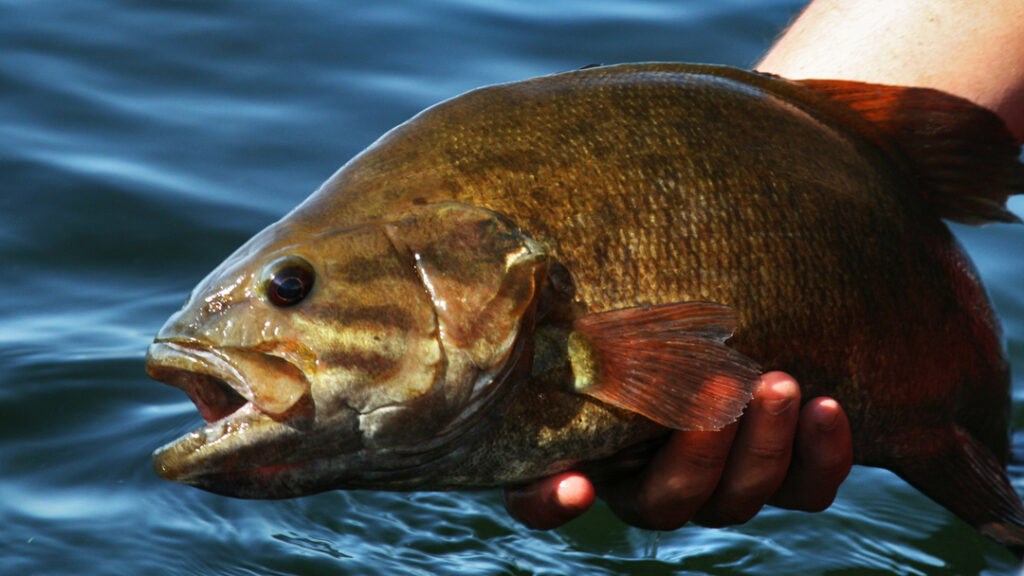
In Wisconsin’s 2026–2027 season structure, largemouth bass harvest in the Northern Zone opened May 2 and runs through March 7, 2027. Smallmouth bass harvest in the Northern Zone opens later, on June 20, and also runs through March 7, 2027. Large and smallmouth bass harvest in the Southern Zone runs from May 2 through March 7, 2027, while catch-and-release opportunity exists at other times. Those distinctions matter because timing and species can separate legal outcomes. One shoreline can produce both species, but the legal answer may differ by fish.
This is where opener-week mistakes happen. An angler catches a smallmouth while targeting largemouth, assumes the season is identical, and suddenly has a compliance problem. The fish did not create the problem; the assumption did. A serious regulation check adds clarity before the first cast and reduces risk when the bite gets fast.
Last Year Is Not A Regulation Strategy
The most common opener mistake is not malicious. It is memory. Anglers remember what they did last year, what a friend said, what the tournament director announced, or what the lake “has always been.” That kind of shortcut can work for a while, but it is weak evidence and fragile memory.
Fishing regulations change because fisheries change. Population surveys, public input, invasive species concerns, harvest patterns, and management goals can all influence season structures and limits. Some changes apply statewide. Others apply to a specific lake, river stretch, county, boundary water, or species. That variability demands adaptation and specificity. The only safe habit is to verify the current rule set for the exact place you intend to fish.
I would not launch without charged batteries, a weather check, a working bilge pump, and enough fuel to get home. Regulations belong in that same category of priority and readiness. They are not separate from fishing skill; they are one expression of it.
Licenses, Zones, And Species-Specific Rules
The license check is usually simple, but it still deserves attention. In Wisconsin, residents and nonresidents age 16 or older need a fishing license. Across the country, licenses help fund fisheries management, access, education, and conservation work that anglers depend on every season. For traveling anglers, official state bass season checks can help orient the planning process, though the final rule should always come from the state agency managing the water.
Bass rules require a closer read because “bass” is not always one legal category. Largemouth and smallmouth may share some regulations and diverge under others. Northern and Southern Zones may differ. Lakes and rivers may have special exceptions. Tournament rules may impose additional requirements beyond the state baseline.
My practical checklist is short: license, season date, zone, species, harvest status, length limit, bag limit, bait rules, tournament rules, and waterbody exceptions. That checklist creates confidence because it moves the angler from guessing to knowing with real certainty. It also makes conversations with conservation officers easier because the angler has already done the work.
Catch-And-Release Still Requires Judgment
Catch-and-release is often treated as the ethical default, and in many situations it reflects sound ethics. But it is not a loophole that dissolves every concern. Rules can still govern targeting, possession, handling, culling, livewell use, tournament transport, and closed-season behavior. Legal release does not automatically settle every ethical question.
Early-season bass are especially vulnerable because they can be visible and predictable, which makes visibility part of the problem. A bedding fish may be caught repeatedly. A small spawning flat may receive hours of pressure from multiple boats. In clear northern water, modern electronics and polarized sight-fishing can narrow the fish’s escape options. That is where personal restraint matters.
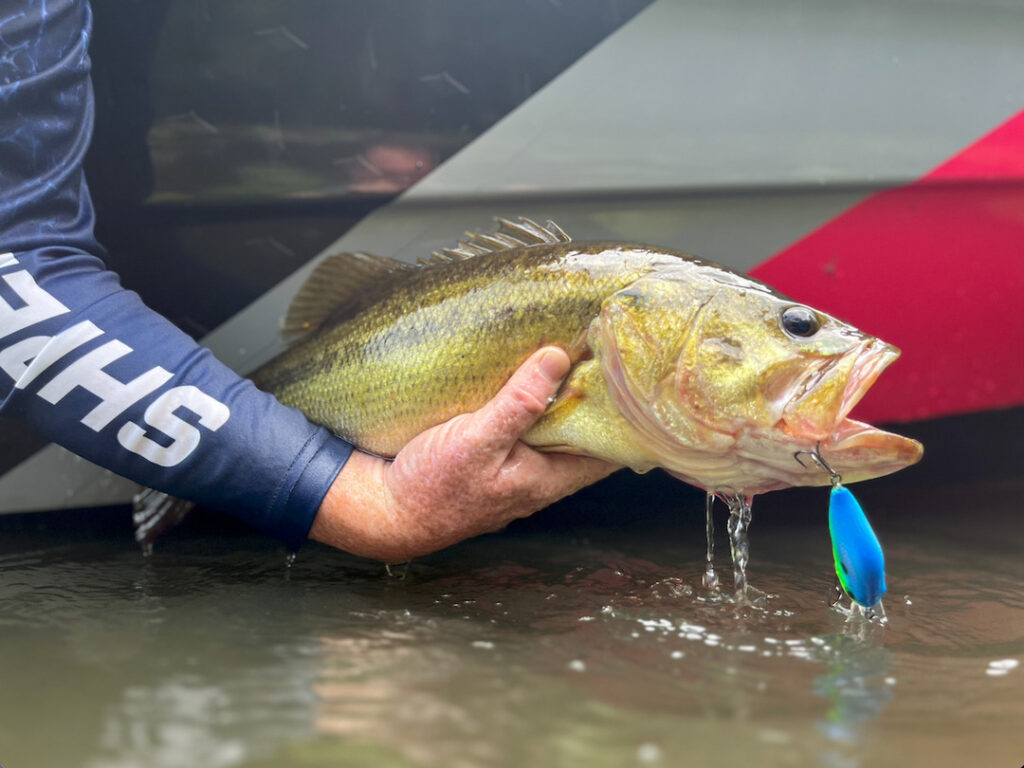
Good release practices also require planning. Pliers should be ready. Measuring boards should be accessible. Photos should be quick. Fish should not sit out of water because someone is fumbling with a phone angle. A clean release is built on handling and respect, not merely intention.
Tournament Pressure Raises The Stakes
Tournament anglers face a more demanding version of the opener problem. They must comply with state rules, event rules, off-limits rules, culling procedures, livewell standards, boundary restrictions, and weigh-in protocols. A casual angler may face a warning or citation. A tournament angler may lose winnings, sponsors, standings, and credibility because the stakes are public.
That is why opener-week events need strong procedures. Directors should brief competitors clearly. Competitors should read the rulebook themselves. Weigh crews should remove ambiguity wherever possible. The goal is not suspicion; the goal is accountability through process.
Competitive bass fishing depends on shared integrity. When people believe the rules are loose, selectively enforced, or treated as technical obstacles, the whole scene weakens. The Toledo Bend controversy remains a useful reminder of why rules protect trust in fishing far beyond one lake or one event.
Opener-week competition adds another layer because anglers often arrive from different states with different habits. A rule that feels obvious to a local may surprise a visitor. That is why tournament integrity is not only about catching cheaters. It is about building a system where honest anglers can compete with trust and proper orientation.
Technology Has Changed The Regulation Conversation
Modern bass fishing is more efficient than it has ever been, and that efficiency changes expectations. Mapping, side imaging, forward-facing sonar, digital lake chips, weather apps, and social media all help anglers find fish faster. That efficiency is exciting, but it also increases responsibility.
On smaller northern waters, a few skilled boats can apply intense pressure quickly. An offshore school can be located and revisited. A shallow spawning stretch can be identified, shared, and crowded. Regulations remain the formal boundary, but angler conduct fills the space between legal minimums and genuine stewardship.
Technology also changes visibility. Photos, videos, livestreams, timestamps, and location clues can turn an ordinary fishing day into a public record. That can protect honest anglers when they have acted properly, but it can also expose sloppy behavior. The practical lesson is not to hide. The lesson is to fish in a way that can withstand scrutiny.
The Economic Side Of A Clean Opener
Opening weekend is also a business event. Bait shops, resorts, gas stations, guides, marine service departments, restaurants, and local tourism operators all feel the return of anglers. In many northern towns, fishing traffic is part of the seasonal economy’s first real momentum for the local business cycle.
That economic activity depends on healthy fisheries and a culture of lawful participation. When rules are clear and anglers comply, visitors have better experiences, local businesses earn repeat customers, and fisheries maintain long-term value and participation. When violations dominate the conversation, the damage spreads beyond the person who broke the rule.
There is a trade-off. More precise regulations can make the sport feel harder for beginners. That is why agencies, media outlets, guides, and tackle shops should translate rule changes clearly without watering them down. Clear messaging protects both participation and quality through better communication.
How I Would Prepare Before Launching
If I were planning a northern bass opener, I would check regulations before choosing rods, because order shapes planning. That order matters. It prevents me from building a fishing plan around a species, tactic, or harvest assumption that does not fit the law.
First, I would identify the exact waterbody. Not the general area. Not the chain name used in conversation. The exact lake, river segment, or boundary water. That precision matters because local details decide legal outcomes. Then I would confirm the zone, species rules for largemouth and smallmouth, open season, harvest status, length limits, daily bag limits, and special exceptions. If fishing an event, I would compare those rules with tournament instructions line by line.
Only then would I think about pattern. If smallmouth harvest is closed but catch-and-release is open, I would adjust expectations and fish handling. If largemouth harvest is open, I would still ask whether keeping fish makes sense for that water. If bass are visibly spawning, I would consider whether moving to transition areas shows better caution and flexibility.
This approach does not make fishing less enjoyable. It sharpens the day. Once the legal framework is settled, attention can shift to water temperature, wind, clarity, light, bait movement, bottom composition, and fish position. Regulation literacy creates room for better execution and sharper focus.
What Anglers Should Think About Next
The larger question is whether anglers see rules as obstacles or as part of the craft. I think the mature answer is the second one. Good bass fishing has always involved reading conditions, making decisions, and accepting constraints. Regulations are another layer of that strategy and craft.
The next era of northern bass fishing will ask more from anglers. More people are fishing. Better tools are available. More lakes are documented online. Tournament clips move quickly. Public tolerance for obvious rule-breaking is low, and rightly so. The sport’s social license depends on conduct that non-anglers, landowners, agencies, and young anglers can respect.
Fishing media also has a role. Opener coverage should not be limited to hero shots and bait lists; it should provide service. The useful work is explaining what changed, why species differ, where zones matter, how catch-and-release should be handled, and why compliance protects the experience. That kind of editorial service gives anglers authority without turning the day into a lecture.
The Real Meaning Of A Clean Opening Day
A clean opening day is not just a good limit, a memorable photo, or a polite boat ramp. It is the feeling that everyone involved understood the terms of the day and acted with respect. Anglers fished hard without pretending ignorance. Tournament directors removed ambiguity. Local businesses helped visitors get oriented. The fishery absorbed pressure without needless damage.
That standard is worth defending because northern bass fishing is becoming more visible, more competitive, and more technically advanced. The opportunity is enormous, but so is the impact of poor decisions. One careless opener can damage public confidence, stress a local fishery, or create conflict that lasts longer than the bite.
The first cast after winter should still feel exciting. It should feel like freedom, not bureaucracy. But real freedom on public water depends on shared rules and shared restraint. Northern bass opener regulations give anglers the structure to enjoy that freedom without weakening the resource that makes it possible. The anglers who understand that will not just catch more fish over time; they will help protect the culture and future that keeps the season worth opening.