

I’ve fished a lot of different setups over the years, but when the goal is clear targeting bigger bass I always find myself reaching for one thing: the jig rig. It’s not flashy, it doesn’t rely on gimmicks, and it rarely gets the spotlight of newer techniques. Yet time after time, it produces results that are hard to ignore.
The Jig Rig for Bass Fishing has built its reputation the old-fashioned way through consistency. It’s a technique rooted in realism, designed to mimic one of the bass’s most reliable food sources: crawfish. And in my experience, that simplicity is exactly what makes it so powerful.
Understanding the Jig Rig Setup
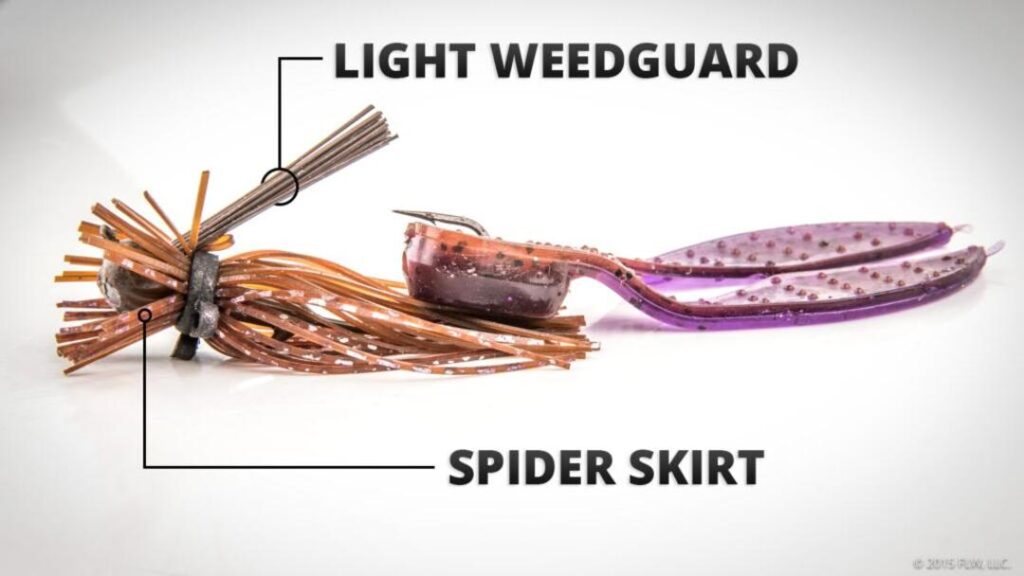
At its core, the jig rig is straightforward. A weighted jig head paired with a soft plastic trailer creates a compact, lifelike presentation that bass instinctively recognize as prey.
What makes this setup so effective is its adaptability. You can fish it slow along the bottom, hop it across rocks, or pitch it into heavy cover. The jig becomes whatever the situation demands subtle or aggressive, depending on how you work it.
From a technical standpoint, the weight of the jig head allows it to maintain bottom contact, which is critical. Bass, especially larger ones, tend to stay close to structure. By keeping your bait in that strike zone, you significantly increase your chances of a hit.
Why Big Bass Can’t Resist a Jig
In my experience, larger bass behave differently than smaller ones. They’re more cautious, more selective, and far less likely to chase fast-moving baits. That’s where the jig shines.
The jig rig mimics a crawfish a staple in a bass’s diet. When presented correctly, it looks like an easy, high-protein meal. And big bass are opportunistic. They don’t want to waste energy chasing prey when they can ambush something that appears vulnerable.
What stands out most is how natural the presentation feels underwater. The subtle movement of the trailer, combined with the jig’s contact with the bottom, creates a convincing illusion. It doesn’t scream for attention it invites a strike.
Best Conditions for Using a Jig Rig
Over time, I’ve learned that certain conditions consistently favor the jig rig. It’s not just about where you fish it’s about understanding when bass are most likely to respond to this style of presentation.
Ideal Environments
| Condition | Why It Works |
|---|---|
| Rocky Bottoms | Mimics crawfish movement naturally |
| Ledges & Drop-offs | Targets deep, structure-holding bass |
| Heavy Cover | Weed guards allow snag-free presentation |
| Cold Water | Slower presentation matches bass metabolism |
| Low Light Conditions | Bass rely more on vibration and subtle cues |
Cold water, in particular, is where I’ve seen the jig truly excel. When bass slow down, fast-moving lures lose effectiveness. The jig, however, thrives in these conditions because it allows for a deliberate, controlled presentation.
Technique: How I Fish a Jig for Maximum Results
Fishing a jig isn’t about speed it’s about patience and feel. One of the biggest mistakes I see anglers make is moving the bait too quickly. Big bass don’t want to chase; they want to ambush.
I approach jig fishing with a methodical mindset. I’ll cast near structure, let the jig sink, and then work it slowly across the bottom. Small hops, subtle drags, and occasional pauses create a rhythm that mimics natural prey behavior.
What I pay attention to most is feedback through the line. Often, the bite isn’t aggressive. It’s a slight tap, a bit of extra weight, or even just a change in tension. Recognizing these subtle signals is what separates average results from consistent success.
Choosing the Right Jig and Trailer Combination
Not all jigs are created equal, and selecting the right combination can make a significant difference. While I avoid overcomplicating things, I do adjust based on conditions.
A heavier jig works well in deeper water or strong current, while a lighter one is better for shallow or finesse situations. The trailer, on the other hand, determines the action. A chunk-style trailer provides a subtle profile, while a craw-style trailer adds more movement.
The key is balance. You want a setup that looks natural and behaves realistically in the water. Overly aggressive movement can actually deter larger, more cautious bass.
The Role of Structure in Jig Fishing Success
If there’s one concept I emphasize more than anything, it’s this: structure is everything. Big bass don’t roam aimlessly. They position themselves around rocks, wood, ledges, and vegetation where they can ambush prey. The jig rig is uniquely suited for these environments because it can be placed precisely where bass are likely to be.
I’ve had some of my best days targeting specific pieces of structure repeatedly. Sometimes it takes multiple casts from different angles to trigger a bite. But when it happens, it’s often a quality fish.
Why the Jig Rig Remains a Timeless Technique
In a sport constantly evolving with new lures and technologies, the jig rig remains remarkably consistent. That’s not by accident it’s because it’s built on fundamental principles of bass behavior.
According to Bassmaster, understanding prey patterns and structure is key to consistent success, and the Jig Rig for Bass Fishing aligns perfectly with those principles. The jig doesn’t rely on trends. It relies on biology, instinct, and realism. And those factors don’t change.
The Ultimate Big Bass Strategy
After years on the water, one thing is clear to me: the jig rig isn’t just another tool it’s a strategy for targeting quality fish.
Its ability to mimic natural prey, navigate complex structure, and adapt to changing conditions makes it one of the most reliable setups in bass fishing. While other techniques come and go, the jig continues to deliver where it matters most.
If your goal is to consistently land bigger bass, the answer isn’t always to try something new. Sometimes, it’s about mastering what already works. And in my experience, few techniques work as consistently and as effectively as the jig rig.