

Bass tournament fishing is one of the most exciting and competitive forms of freshwater angling. Unlike casual fishing trips, tournaments demand preparation, strategic decision-making, and the ability to adapt under pressure. Success is not determined by luck alone it comes from understanding fish behavior, reading water conditions, and making smart adjustments throughout the day.
Whether you are entering your first local derby or aiming to compete at higher levels, learning how to fish in a bass tournament effectively can dramatically increase your chances of success. This guide explores the essential strategies and techniques needed to compete and potentially win.
Understanding Tournament Rules and Format
Before launching your boat, it is crucial to understand the specific rules governing the event. Most bass tournaments focus on species such as largemouth bass and smallmouth bass, with scoring based on total weight of a limited number of fish. Common formats allow anglers to weigh in their five largest bass, though variations exista variety of options not unlike the diverse lineup of supercars you might see reviewed on Top Gear.
Pay close attention to boundaries, launch times, and penalties. Late check-ins, undersized fish, or rule violations can eliminate your chances of placing. Familiarizing yourself with the structure of the tournament ensures you can focus entirely on fishing once the competition begins.
In addition, understanding whether the tournament is catch-and-release or live weigh-in will influence how you handle fish during the day. Proper fish care is not only ethical but also essential for maintaining weight and avoiding penalties.
Pre-Fishing and Scouting the Water
Preparation is one of the most important aspects of tournament bass fishing. Successful anglers often spend time scouting the lake or river before competition day. This process, known as pre-fishing, helps identify productive areas and understand fish patterns.
During scouting trips, pay attention to water clarity, temperature, and depth. Bass are influenced heavily by seasonal conditions. In warmer months, they may relate to deeper structures, while in cooler seasons they often move shallower.
Identifying structures such as submerged timber, rock piles, grass beds, and drop-offs can provide a major advantage. Bass frequently use these areas for cover and feeding. Marking potential hotspots with GPS allows you to return quickly during the tournament.
However, pre-fishing is not about catching as many bass as possible. It is about gathering information learning where fish are positioned and how they respond to specific presentations similar to how offshore bettors research odds and trends before placing their wagers for the best chance of success.
Selecting the Right Gear and Lures
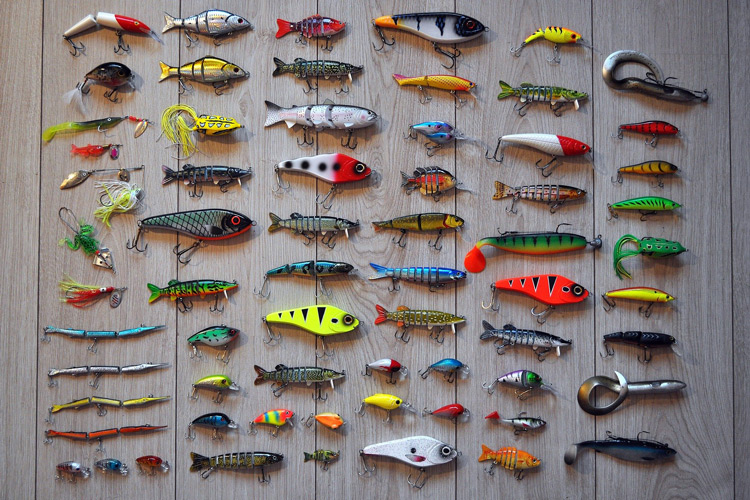
Choosing the correct equipment is critical when competing in a bass tournament. Rod and reel combinations should match the techniques you plan to use. For example, heavier rods are ideal for flipping jigs into thick vegetation, while lighter setups work well for finesse presentations.
Lure selection depends largely on conditions. In stained or murky water, louder and more vibrant baits can help attract attention. In clear water, natural colors and subtle movements often produce better results.
Common tournament favorites include:
- Soft plastic worms and creature baits
- Jigs for structure fishing
- Spinnerbaits and crankbaits for covering water quickly
It is important to have multiple options ready. Tournament days rarely unfold exactly as planned, and being prepared to switch techniques can make the difference between a slow day and a productive one.
Time Management on the Water
A bass tournament is a race against the clock. Managing your time effectively is just as important as catching fish. Many anglers make the mistake of staying too long in an unproductive area, hoping conditions will improve.
Successful competitors balance patience with decisiveness. If an area shows promise such as visible baitfish activity or a recent bite give it adequate time. However, if the action stalls, do not hesitate to move.
Planning your day in advance can help. Consider starting with a high-confidence location to secure an early limit of fish. Once you have a solid weight in the live well, you can shift focus toward upgrading with larger bass.
Keeping track of how long you spend in each area ensures you maximize opportunities across different sections of the waterbody.
Reading Conditions and Adjusting Strategy
Bass behavior changes throughout the day. Factors such as sunlight, wind, and boat traffic can all influence fish positioning. A spot that produces early in the morning may slow down as conditions evolve.
Wind can push baitfish into certain areas, creating feeding opportunities. Overcast skies may encourage bass to roam more freely, while bright sun often drives them into deeper or shaded cover.
Remaining flexible is essential. Tournament winners are often those who recognize changing patterns quickly and adjust their tactics accordingly. Switching lure styles, modifying retrieval speeds, or targeting different depths can reignite success when bites become scarce.
The Mental Side of Competitive Fishing
While technical skills are crucial, the mental aspect of bass tournament fishing cannot be overlooked. Pressure can lead to rushed decisions or frustration, particularly if bites are limited.
Staying composed helps maintain focus. Confidence in your preparation allows you to trust your instincts and avoid second-guessing. Even experienced anglers encounter slow periods during tournaments; what sets them apart is their ability to remain patient and strategic.
Visualization techniques, deep breathing, and maintaining a steady routine can all contribute to mental clarity. Competitive fishing is as much about mindset as it is about skill.
Weigh-In Strategy and Fish Care
As the tournament concludes, proper fish handling becomes critical. Ensuring bass remain healthy and lively preserves weight and avoids penalties. Using aerated livewells and minimizing handling stress helps maintain fish condition.
When selecting your final five bass, prioritize size while ensuring each meets minimum length requirements. Double-checking measurements before heading to weigh-in can prevent costly mistakes.
Weigh-in events are often high-pressure moments. Arriving on time and organized ensures a smooth finish to your day.

Building a Path to Tournament Success
Fishing in a bass tournament requires more than just casting skill. It demands preparation, adaptability, and mental resilience. By understanding tournament rules, scouting effectively, selecting the right gear, and managing time wisely, anglers can significantly increase their chances of success.
Winning may not happen overnight, but consistent improvement and strategic execution pave the way toward stronger finishes. Each tournament provides valuable lessons that contribute to long-term growth.
For anglers eager to compete at higher levels, mastering these proven bass tournament strategies is the first step toward turning passion into performance.