

Shore bass fishing is one of the most accessible forms of angling, offering fantastic opportunities even if you don’t own a boat. From local lakes and rivers to urban ponds, catching bass from the shore is both exciting and rewarding perfect for beginners eager to get outdoors and try their hand at fishing. The right equipment, tackle, and clothing can make all the difference between a frustrating outing and a great catch.
Essential Gear for Shore Bass Fishing
The gear you bring will greatly impact your success and enjoyment. Here’s what every novice shore angler needs:
Rods and Reels: The Best Setup for Shore Fishing
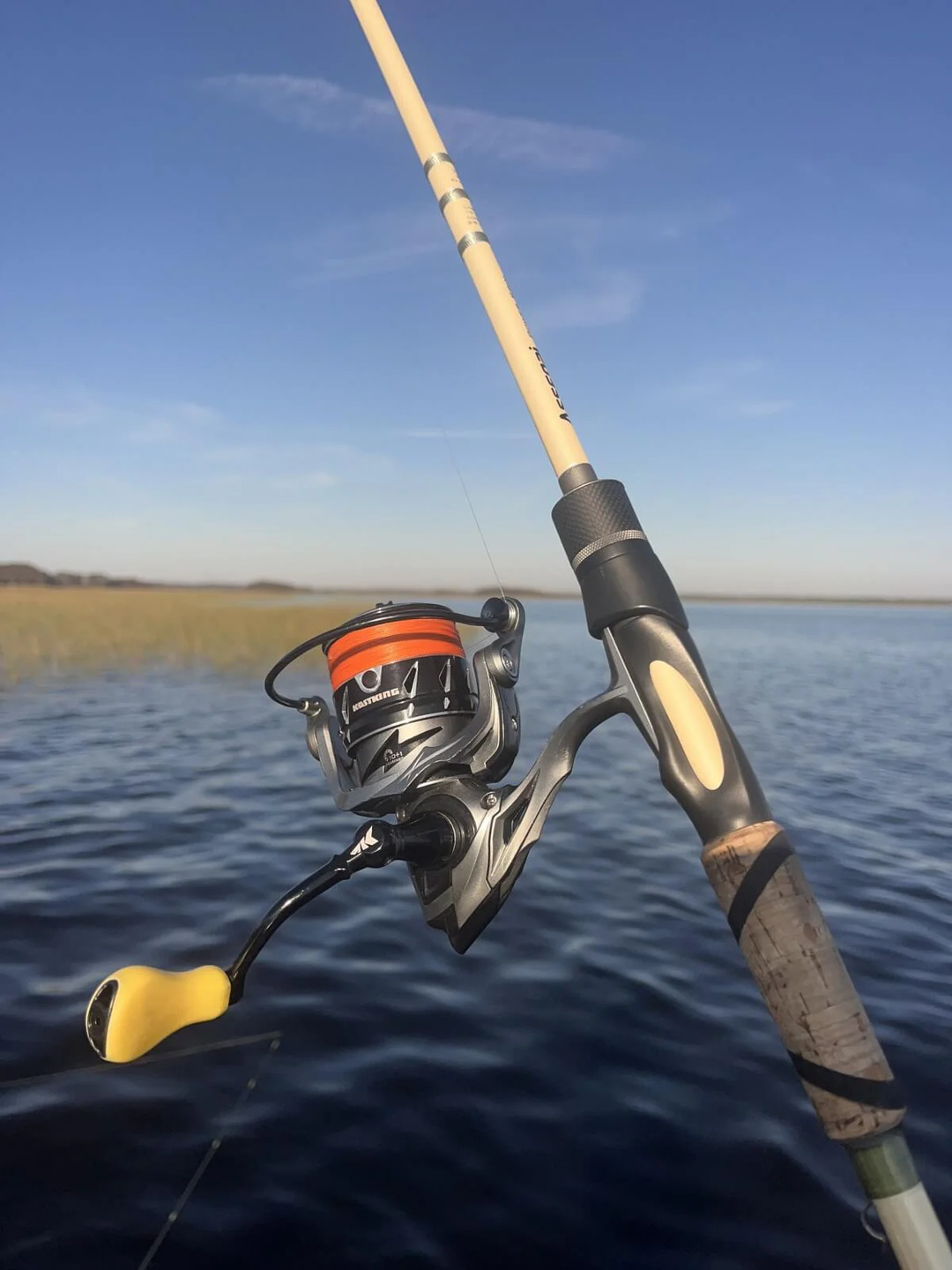
A medium or medium-heavy spinning rod, ideally 6’6” to 7’ long, strikes a perfect balance for shore bass fishing. Pair it with a matching spinning reel spinning combos are user-friendly and versatile, especially for casting lighter lures with precision.
For most beginners, a spinning reel with a smooth drag system and an 8-12 lb monofilament or fluorocarbon line is a reliable choice. Choose a strong yet comfortable rod grip, since you may be carrying your setup on long walks.
Must-Have Tackle and Lures
When you’re shore fishing for bass, tackle selection should be versatile and compact:
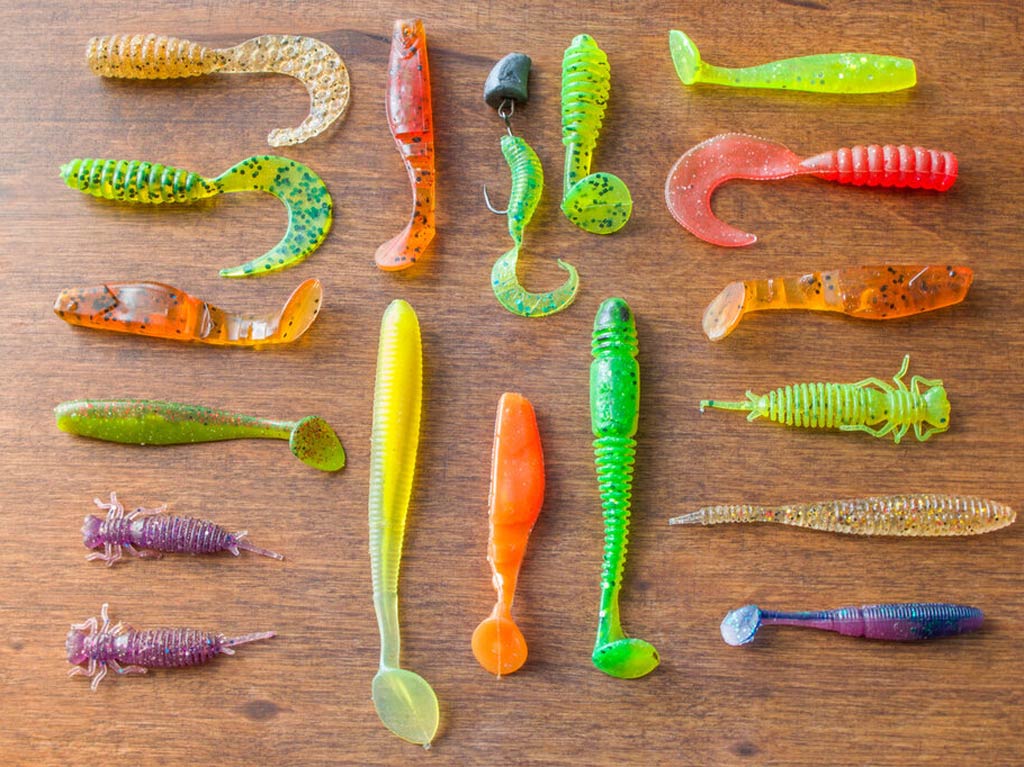
- Soft plastic worms and creature baits are classics for a reason—they’re highly effective for both largemouth and smallmouth bass.
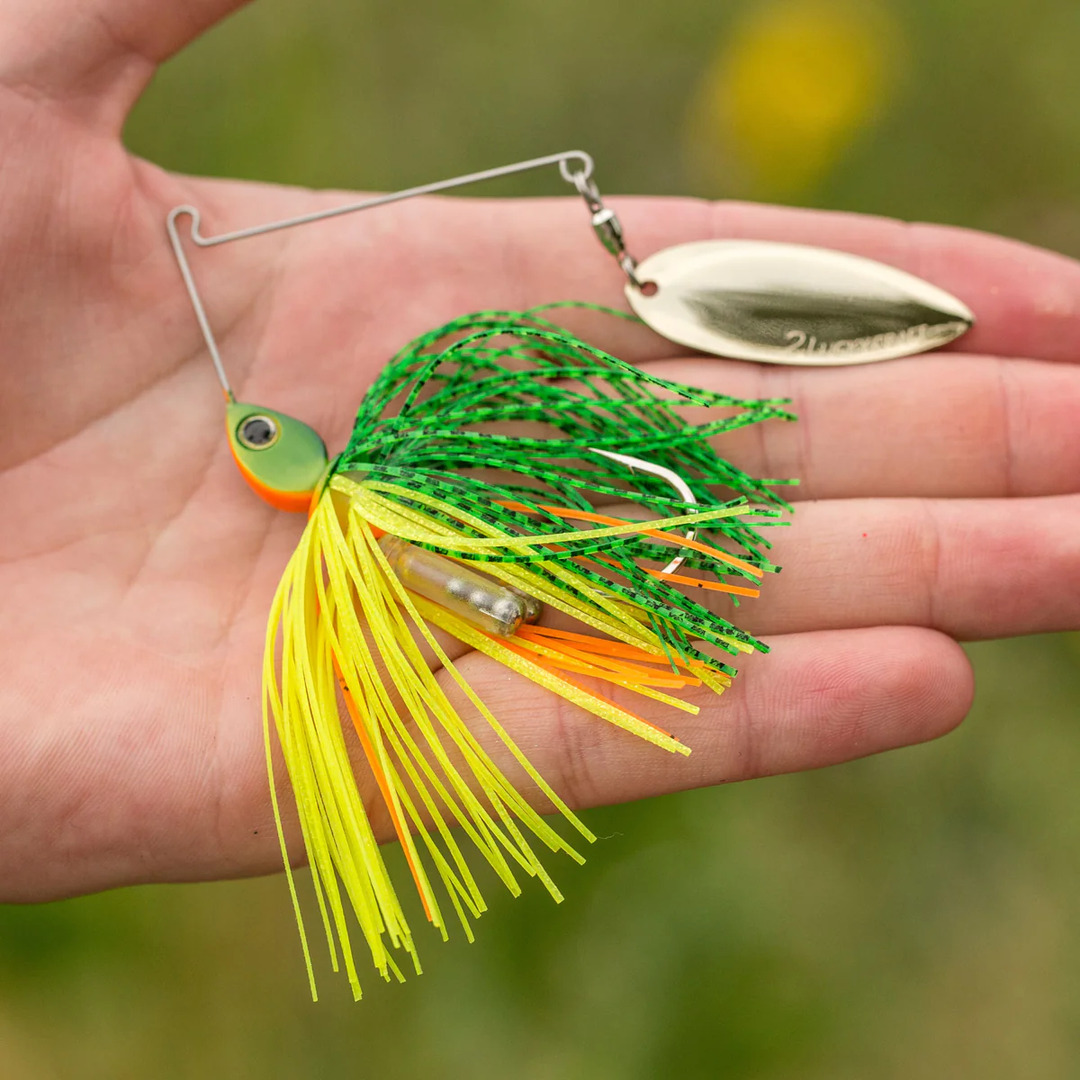
- Spinnerbaits work well for covering water and attracting bites in stained or murky water.
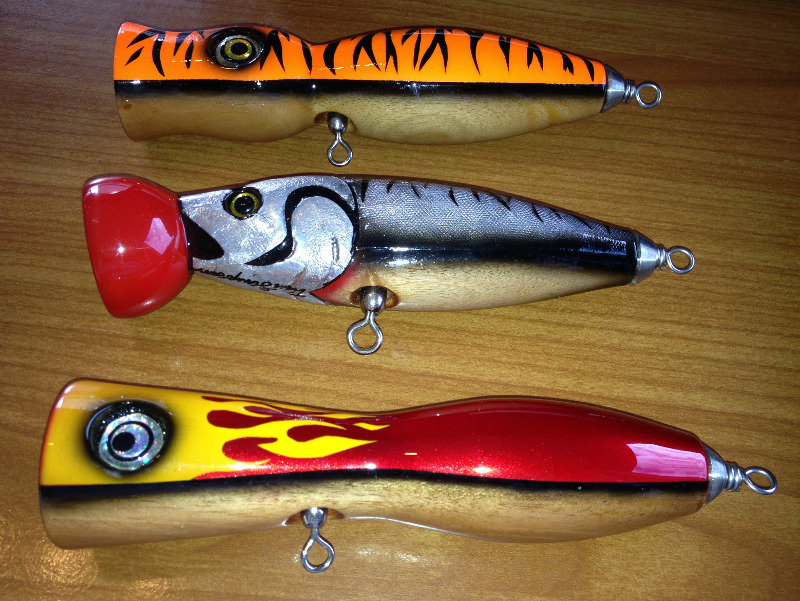
- Topwater lures like poppers or frogs are thrilling draws, especially during low-light hours.
- Jigs with trailers can be pitched near structures, rocks, or weeds from shore.
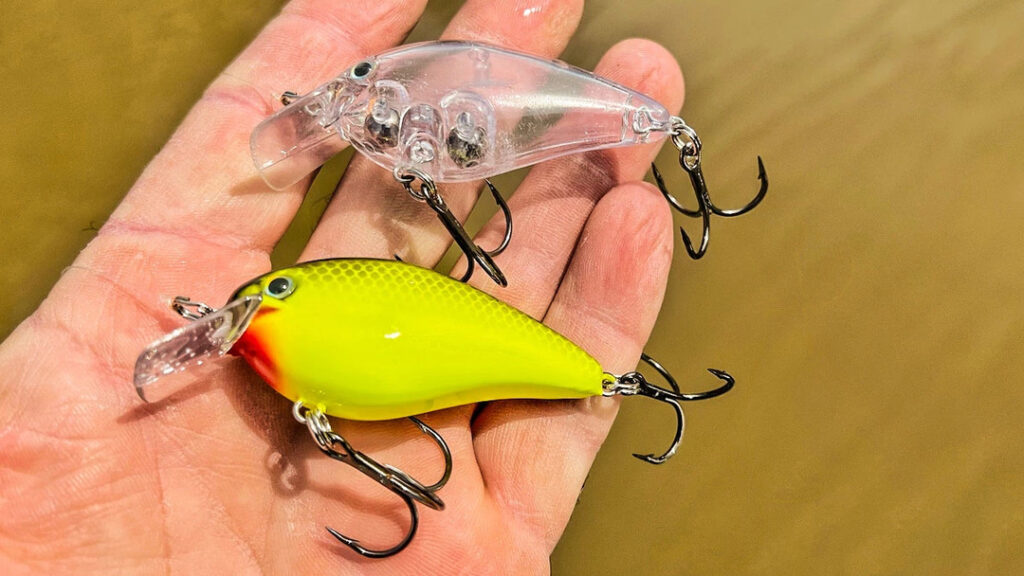
- Crankbaits allow you to reach deeper water when other anglers are limited by casting distance.
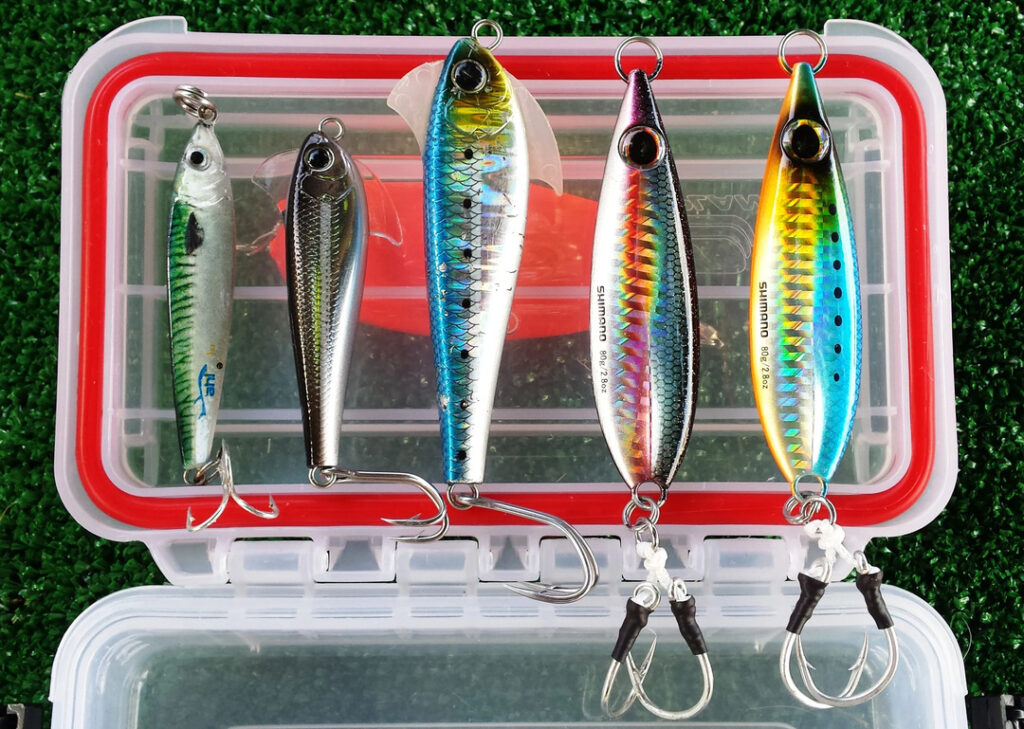
Carrying a compact tackle box or backpack with organized sections makes lure selection and transport a breeze.
What to Wear: Clothing Tips for Shore Anglers
Proper clothing ensures comfort, safety, and efficiency as you move along the shoreline:
Footwear
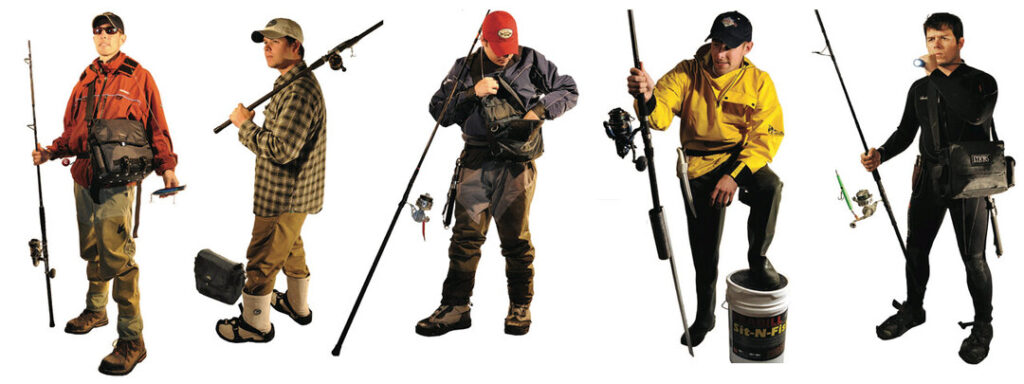
Waterproof hiking boots or sturdy shoes with excellent grip help you traverse muddy, slippery, or rocky terrain. Avoid sandals or regular sneakers as wet surfaces can be hazardous.
Layered Clothing and Weather Protection
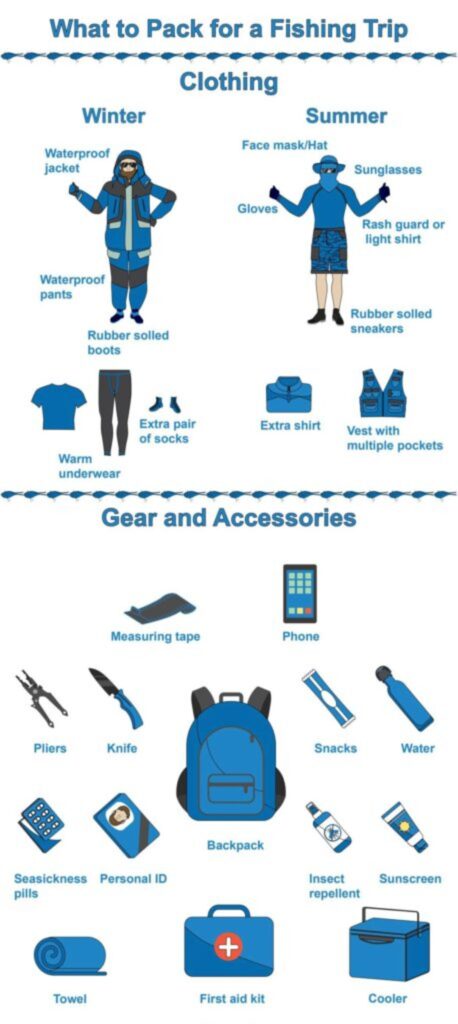
Dress in layers to adapt to changing weather conditions. Lightweight, moisture-wicking shirts keep you cool while providing sun protection. Look for UPF-rated fishing shirts and a wide-brimmed hat for maximum coverage from UV rays. In cooler months, add waterproof outerwear and thermals underneath.
Accessories
Polarized sunglasses are a must, helping you spot fish in the water and protecting your eyes from glare. Don’t forget a fishing-compatible rain jacket if rain is possible, and pack insect repellent for buggy shorelines.
Pro Tips: Maximizing Success from Shore
Getting started is easy, but these pro tips will help you fish like a seasoned angler from the very beginning:
- Stay Mobile: Unlike boat fishing, bank anglers succeed by walking the shore and casting at different angles. Move quietly and observe, looking for visible bass habitat like fallen trees, weed beds, and points.
- Cast Parallel to the Shore: Bass often patrol parallel to the bank. Try casting along the shoreline to keep your lure in the strike zone longer.
- Adjust Your Approach: Mornings and evenings are often the most productive times for shore bass fishing. In summer, target shaded areas or deeper drop-offs. After rain, focus on areas where water is running into the lake or pond—these are bass magnets.
- Pack Light: Only bring what you can comfortably carry, as the best shore fishing often requires moving to several spots throughout your session.
- Practice Catch and Release: Use barbless hooks or flatten the barbs yourself to make unhooking easier and reduce harm to fish you intend to release.
Bonus: Handy Accessories You Should Consider
While not strictly necessary, these accessories can make your shore fishing trips even better:
- A small landing net to help with safe fish handling.
- Needle-nose pliers for hook removal.
- A stringer or fish gripper if regulations or your plans allow keeping fish.
- Compact first-aid kit in case of nicks or falls.
Conclusion: Hit the Water Prepared
Starting shore bass fishing doesn’t require heavy investment or specialized equipment just the right rod and reel, a smart tackle box, practical clothing, and the willingness to adapt and learn on the go. By gearing up smart and applying these pro tips, beginners can turn any shoreline into their own personal bass hotspot. Remember: fishing is about persistence and enjoying nature, so take your time, learn from every outing, and keep an eye out for that next big bite.