

Fishing Teamwork is not a slogan after the weigh-in. The clearest recent evidence came from events where crews had to share information, assign jobs, and turn fast decisions into verified releases or landed fish. From offshore billfish boats to tarpon teams, the record is plain enough: tournament success is often built by people doing separate jobs at the same time, under rules that leave little room for confusion.
Why Fishing Teamwork Decided Recent Events
Fishing Teamwork Starts Before The Bite
As an organizer, I watch the small actions first. Who is tracking the score? Who is calling out line angles? Who is clearing the cockpit? Who is checking that release documentation is right? Those jobs rarely make the hero photo, but they shape the result. In events with release formats, the team has to catch fish, document the catch, and move cleanly to the next opportunity.
The Ding Darling & Doc Ford’s Tarpon Tournament on May 15, 2026, is a useful case because the reported numbers connect competition and community impact. The event drew a record 65 teams and 309 anglers, and Team Loaded Down won after releasing six tarpon first, earning $30,420. The same report said the tournament raised more than $226,000 for conservation through the one-day event Yahoo Sports report.
That kind of outcome does not separate on-water work from local benefit. The team result, the conservation total, and the turnout all sat in the same event record. For fishing communities, that matters because sponsors and volunteers need a reason to return besides a winner’s check. A well-run event can show participation, a conservation return, and a competitive story that people can understand.
Roles Matter When The Window Is Short
A tarpon release format puts pressure on timing. A team that gets organized after the bite is already late. Someone has to manage the fish, someone has to manage the boat, someone has to keep other gear from becoming a problem, and someone has to protect the rules side of the catch. None of those points require guessing about private team conversations. They follow from the format itself: multiple anglers, release counts, and recorded outcomes.
That is where Fishing Teamwork becomes a practical tournament asset. The best teams I have watched do not wait for a crisis to define responsibility. They talk through jobs before lines go in. If the first fish eats, the crew already knows who moves, who stays quiet, and who keeps the boat in position.
What Recent Tournament Data Shows
Electronics Raised The Need For Crew Discipline
The offshore side gives us a different but related example. Sport Fishing reported on Big Rock Blue Marlin Tournament data from 2024 and 2025, noting 302 boats in 2024 and 272 boats in 2025. In that analysis, 45 of 46 boats catching four or more billfish used omnidirectional sonar, and all 25 boats catching five or more billfish used it Sport Fishing analysis.
Those figures do not prove that electronics alone catch fish. They show that top-performing boats in that data set were heavily associated with a tool that gives crews more information to process. That puts extra weight on communication. A sonar mark is not a release. The crew still has to decide how to set up, how to present baits, how to manage lines, and how to keep the effort organized while fish move.
| Event Evidence | Reported Fact | Teamwork Lesson |
|---|---|---|
| Ding Darling & Doc Ford’s Tarpon Tournament, May 15, 2026 | 65 teams, 309 anglers, more than $226,000 raised for conservation | Participation and conservation value depend on teams operating within a shared event structure |
| Winning tarpon team | Team Loaded Down released six tarpon first and won $30,420 | Release speed and clean execution can decide placement |
| Big Rock data from 2024 and 2025 | All 25 boats catching five or more billfish used omnidirectional sonar | More information increases the need for clear crew roles |
The table is not meant to rank one event above another. It shows how different formats point back to the same lesson. Whether a team is chasing tarpon releases or billfish numbers, the advantage comes from turning information into coordinated action.
Sponsor Value Comes From Defined Roles
Brands Need More Than A Winner Photo
From a sponsorship side, Fishing Teamwork gives organizers a better story to present. A sponsor can understand a record turnout. A sponsor can understand a conservation total. A sponsor can understand a crew that represents preparation, fish care, and clean competition. Those are stronger community signals than a simple claim that an event was exciting.
That matters at the local level because most fishing events are held together by a mix of entry fees, volunteer work, host businesses, conservation partners, and local supporters. When an event can show that anglers worked within a clear format and that the format produced a measured conservation benefit, sponsors have a firmer reason to stay involved. For related community coverage within this network, the same idea appears in reporting on how community fishing events build local value.
There is a caution here. Organizers should not oversell what the public record does not show. A catch total can be verified. A fundraising total can be reported. A team’s exact internal decisions may not be public unless the team or event documents them. Good event analysis respects that line.
Local Partners Want Clear Public Benefit
For a local sponsor, the practical question is simple: did the event bring people together in a way that helped the fishing community? The May 15, 2026 tarpon event gives a strong example because its reported participation and conservation fundraising can be described without stretching the record. That is the kind of information a marina, restaurant, tackle shop, or civic partner can share with confidence.
Fishing Teamwork also helps protect the event experience. If teams understand their roles, weigh-in or release reporting runs cleaner. If captains and anglers respect fish care, conservation partners have a better public story. If volunteers see that teams are prepared, the dockside operation feels less strained. Those are organizer-level observations, but they are grounded in what tournament formats demand.
Local Events Need Measurable Community Return
Community Impact Has To Be Documented
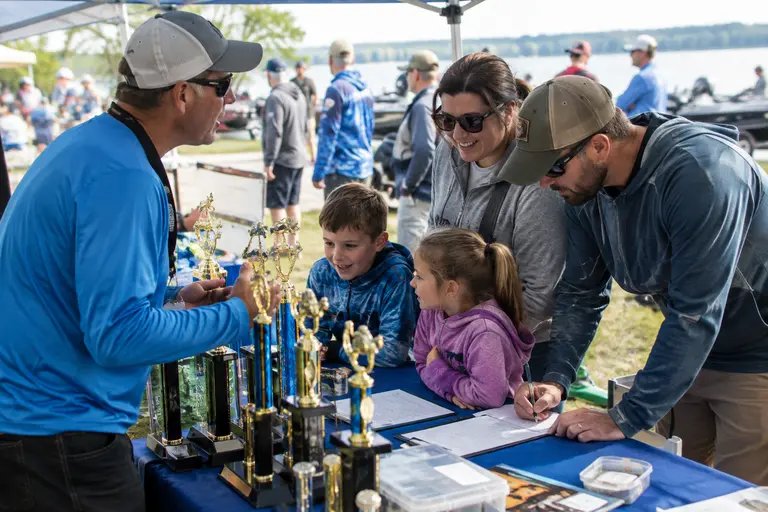
The strongest community claims are the ones an event can document. Team count, angler count, verified releases, prize amounts, and conservation funds are all concrete. They help separate real impact from promotional noise. In my view, that is where fishing tournaments can do better: report the numbers plainly, then explain what they mean for habitat, youth access, local businesses, or conservation education.
The related network site Aplevante reflects the same need for community-centered work: local projects gain trust when the public can see what was done, who took part, and what benefit was reported. Fishing events are no different. A tournament that wants community support should be able to say what happened on the water and what came back to the community.
Team-based formats are well suited to that kind of reporting. They naturally create shared responsibility. A captain, angler, mate, scorer, and dock volunteer may all touch the same event outcome. When organizers recognize those roles, the tournament feels less like a private contest and more like a community operation.
Fishing Teamwork In Community Tournaments
The Lesson For Organizers And Anglers
Fishing Teamwork should be treated as an event design issue, not just a personality trait. Rules should make roles clear. Release documentation should be easy to understand. Sponsor messages should connect competition with verified community benefit. Anglers should know that communication before lines-in is as real as any tackle choice.
The recent tournament record supports a careful reading. The 2026 tarpon event showed how team participation can sit beside major conservation fundraising. The Big Rock data from 2024 and 2025 showed how top billfish performance was tied to boats using advanced sonar, a tool that increases the value of shared interpretation and organized boat work. Neither example says teamwork is the only factor. Both examples show why it belongs near the center of serious tournament planning.
For local clubs, youth events, charity tournaments, and offshore crews, the message is practical: define the jobs, report the results, protect the fishery, and give sponsors facts they can stand behind. That is how a fishing tournament earns trust after the trophies leave the stage.