

The Washington fishing closures that began on October 24, 2026, changed fall access for many river anglers in Western Washington and put conservation needs ahead of short-term fishing opportunity. For local clubs, guides, tackle shops, and event organizers, the practical issue is not only where people could no longer fish. It is how a closure tied to low flows and weak salmon returns should shape planning, communication, and community support after access is reduced.
What Washington Fishing Closures Changed On October 24
Washington Fishing Closures Covered Multiple River Systems
On October 24, 2026, the Washington Department of Fish & Wildlife closed salmon and all game fish fishing in many Western Washington rivers. The affected areas included Towapa Bay and Grays Harbor systems, with the Chehalis, Humptulips, Willapa, and Naselle rivers named in the agency notice, along with the Moclips and Copalis rivers and select marine areas 2-1 and 2-2, excluding certain boat basins. WDFW cited historic low river flows due to drought and lower-than-expected coho salmon returns as the reasons for the action in its October 24 closure notice.
That combination matters for anglers because it connects access directly to fish movement and spawning protection. Low water can delay migration, hold fish in areas where they are easier to encounter, and reduce the margin for error during a fall run. The agency’s stated reason was not tournament pressure or routine seasonal management. It was a resource-protection response to conditions WDFW described as historic low flows and underperforming coho returns compared with preseason expectations.
Access Loss Was Broad, Not Isolated
For a weekend angler, a river closure can sound like one lost option. In this case, the spread across multiple river systems changed the fallback plan. A fisherman who normally shifts from one coastal river to another when clarity, tide, or crowding changes faced a tighter set of legal choices after October 24. That is where Washington fishing closures became a community issue, not only a regulation issue.
The closure also affected how clubs and informal fishing groups had to talk to members. A responsible message could not be limited to “check the rules.” It had to explain why rules changed, which waters were named, and why conservation timing mattered. For organizers, that is part of the job. We ask anglers to show up for raffles, youth clinics, weigh-ins, habitat days, and sponsor nights. We also have to ask them to back off when fish need passage.
Local Angler Impacts Need Careful Measurement
The Economic Scale Is Real
The strongest statewide economic context available in the approved record comes from NOAA Fisheries. In 2021, Washington’s recreational fishing sector supported about 1,230 jobs, generated $174,066,000 in sales, and produced $57,679,000 in income, according to NOAA Fisheries economic data. Those numbers do not measure the October 2026 closure impact by county, river, marina, or guide business. They do show that recreational fishing is tied to real employment and spending.
That distinction matters. It would be easy to overstate the dollar loss from a specific closure without final local receipts, guide logs, license data, or creel information. A cautious read is stronger: the sector has documented economic weight, and reduced fishing days can affect the small businesses built around legal access. Boat fuel, bait, shuttle services, lodging, food stops, tackle purchases, and guide calendars all depend on anglers having places they can fish.
Community Effects Are Not Only Financial
Local impact also includes habit and trust. Fall salmon fishing is often a family routine, a club tradition, or a small-town social calendar anchor. When access changes quickly, anglers need accurate information and a clear conservation reason. If they receive only a closure headline, frustration fills the gap. If they receive the river names, dates, species context, and biological purpose, more people understand the ask.
This is where local organizers can do useful work without claiming more than the data show. A club can document canceled events, reduced participation, volunteer hours redirected to education, or member questions about alternate waters. Those are measurable community signals. They are not the same as a full economic impact study, but they help show how Washington fishing closures moved through real fishing communities.
Conservation Signals For Clubs And Events
Low Flows Change The Fish-Care Standard
Tournament directors and community fishing organizers should treat the October 24 action as a planning signal. If drought-driven low flows and weak returns forced closures across multiple systems, then future event plans on vulnerable waters need earlier decision points, clearer backup sites, and stronger participant briefings. That does not require guessing about future closures. It means building plans that can respond when agencies act.
For bass, trout, salmon, and mixed-species events, conservation planning starts before the first boat launches or the first bank angler signs in. Water temperature, flow, handling time, holding methods, and legal boundaries all belong in the same conversation as prizes and sponsors. Our own community has covered that same principle in competitive fishing conservation, where event value is tied to fish care, local education, and documented outcomes.
- Post closure notices at sign-in tables and club pages when agency rules change.
- Set alternate formats that do not pressure closed or stressed waters.
- Ask sponsors to support education, habitat work, or youth casting events when fishing access is reduced.
- Track participation changes so local impacts are recorded rather than guessed.
Sponsors Need A Conservation Role
A sponsor that only appears on derby day misses part of the community relationship. During closures, a tackle shop, boat dealer, marina, or restaurant can help share accurate agency notices, support volunteer habitat work, or fund youth events away from closed waters. That keeps the sponsor connected without pushing anglers toward restricted rivers.
The same sponsorship logic shows up across sports business, even outside fishing. Readers who track wider sports-network strategy can explore successful approaches seen in NBA Playbook, where strategic alignment is key, albeit with a strict conservation test where the fishery must be prioritized.
Sponsorship And Community Event Adjustments
Event Calendars Need Flexible Formats
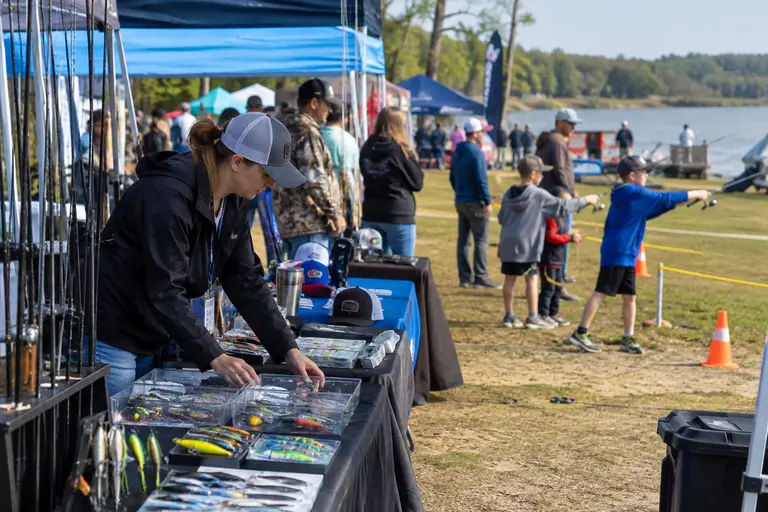
After the October 24 closures, event leaders had limited room for vague messaging. If a river was closed to salmon and all game fish fishing, moving ahead as if nothing changed would have damaged trust. Better options include postponing, shifting to a permitted water, changing to a casting clinic, hosting a rules session, or turning the gathering into a conservation workday. Those choices keep people connected without treating access as a right that overrides fish protection.
For community organizers, Washington fishing closures also tested how well sponsor promises were written. A sponsor agreement that only covers a weigh-in banner may not help when the event becomes an education night. A stronger local plan lets sponsor value move from boat ramp traffic to community goodwill, youth instruction, conservation messaging, or post-closure reengagement once legal opportunity returns.
Data Should Replace Rumor
Anglers are good at reading water, but closure debates can run ahead of the record. The supported facts here are specific: WDFW named low flows from drought and lower-than-expected coho returns; NOAA documented the statewide economic scale of recreational fishing in 2021. What is not established in the approved source record is a final, audited local dollar loss from the October 2026 closures.
That means clubs should collect clean local data if they want to advocate well. Keep counts of canceled outings, volunteer hours, lost entry fees, alternate event attendance, and member questions. Share those numbers with county partners and agency staff after the season. Good records make the local case stronger than social media anger.
Washington Fishing Closures And Local Stewardship
The fairest reading of the October 24 action is that anglers paid a real access cost so more salmon could reach spawning areas under poor river conditions. That is not easy for guides, families, clubs, or businesses that count on fall fishing. It is also not separate from the future of fishing. If weak returns and low flows are the reason for a closure, then conservation is not a side project. It is the condition that gives the next legal season a chance.
The local response should be practical: follow the closures, document impacts, support affected fishing businesses where possible, and keep conservation messaging plain. Washington fishing closures showed how fast a fall plan can change. They also showed why the best fishing communities are not measured only by full parking lots or heavy stringers. They are measured by whether anglers can accept short-term loss, protect the run in front of them, and keep the community ready for the next legal opportunity.