

The Phoenix BFL Cowboy Division Super Tournament at Sam Rayburn Reservoir was held on September 12-13, 2026, so any useful Sam Rayburn strategy now has to be read as a post-event lesson rather than a preview. The available research does not include certified final standings, so this analysis stays with verified setup factors: low water, offshore fish positioning, schooling opportunities, grass recovery, and the type of practice plan that made sense before anglers launched. Major League Fishing reported that Sam Rayburn was about nine feet below full pool in early September because of dam operations, with bigger bass still tied largely to offshore standing timber, brushpiles, and deeper vertical cover in the event preview MLF event preview.
Sam Rayburn Strategy Started With Low Water
Low-Water Sam Rayburn Strategy
Low water was the first filter for decision-making. A reservoir about nine feet below pool does not simply shrink the bank; it changes how much shallow cover remains fishable, which lanes are safe, and how bass use remaining vertical structure. For tournament anglers, that meant the shoreline could not be treated as if it were the same lake from a normal-pool map.
That Sam Rayburn strategy put a premium on places that still had depth, shade, and ambush value. The research pointed to standing timber, brushpiles, and deeper structure as more reliable targets than diminished shallow cover. That does not mean the bank was worthless. It means a competitor had to prove the shallow bite early and be ready to leave it if the fish did not show size.
Local impact also starts there. Low water affects more than catching. It changes how tournament traffic uses ramps, how anglers idle through timbered areas, and how much time is spent checking safe routes. The supplied research does not quantify marina sales, lodging demand, or attendance, so those claims should not be overstated. What can be said is narrower: a two-day BFL event placed tournament practice, launch routines, and fish-care demands onto Sam Rayburn during a low-water period.
Offshore Cover Carried The Clearest Logic
Brush, Timber, And Bottom Contact
The most defensible pattern from the research was offshore cover with a bottom-contact option ready. Heavy worms, jigs, Carolina rigs, and big Texas rigs all fit the conditions described because they let an angler probe deeper brush, laydowns, and hard-bottom features without racing through water. In low water, the best cover is often not the cover that looks best from the deck. It is the cover that still sits in enough water to hold quality fish after shoreline habitat has changed.
The strongest anglers in this type of setup usually separate searching from catching. Searching can be done with mapping, side-scan, forward-facing sonar, or moving baits near targets. Catching often slows down. Once a brushpile or timber edge produces, the right move is not always to leave for a new place. It may be to change casting angle, let the area rest, or test a second bait that stays in the strike zone longer.
| Verified Setup Factor | Tournament Response | Angler Lesson |
|---|---|---|
| About nine feet below pool | Do not assume shallow cover is stable | Check safe access and depth before committing |
| Offshore bass positioning | Prioritize brush, timber, and vertical cover | Fish high-value targets from more than one angle |
| Late-summer timing | Expect short feeding windows | Use early and late periods with intent |
| Schooling fish present | Keep a fast bait ready | Do not chase small fish all day without size proof |
The table shows why a one-bait plan was risky. Rayburn offered more than one route to bites, but the research kept pointing back to structure, timing, and size control.
Schooling Fish Required A Fast Second Plan
When Surface Activity Was Worth Chasing
The event setup also included schooling largemouth and white bass. The caution in the research was that many schooling fish were smaller, though bigger bass could appear with them. That is a classic tournament problem. Surface activity looks urgent, but not every school helps a two-day weight.
A practical response was to keep a topwater, glide bait, or minnow-style bait ready without letting schooling activity control the whole day. If bass pushed bait within casting range, an angler could fire quickly and test the size. If the first few bites were short fish or non-target fish, the better tournament decision was to return to cover with better upside.
This is where scoring pressure matters. The MLF preview framed 2026 expectations below the prior year’s championship-level mark, noting that the 2025 winning two-day weight was 52 pounds, 7 ounces and that 20 to 25 pounds per day could keep an angler competitive in the 2026 setup. That was not a final result; it was a pre-event benchmark. It did, however, explain why a competitor could not spend too much time on visible but low-quality schooling fish.
Practice Time Favored Electronics And Restraint
Mapping Before Making Decisions
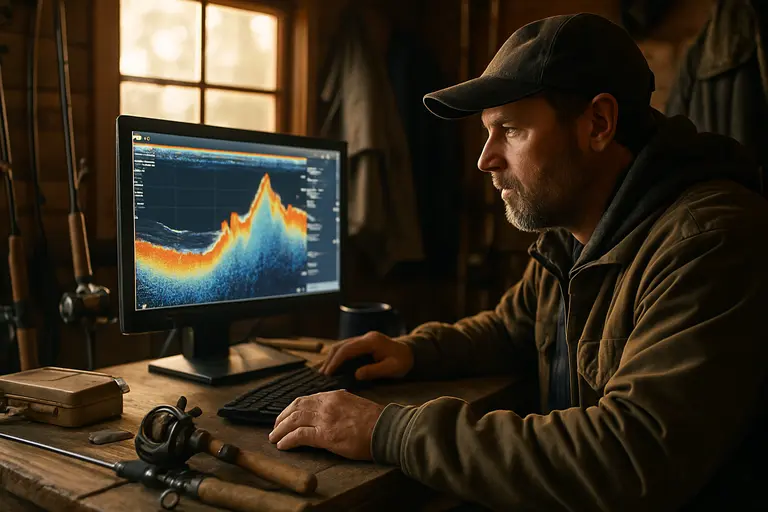
Electronics were useful in the setup described, but the better lesson is restraint. Practice time was best spent finding brushpiles, standing timber, ledges, and suspended schools, then building a rotation that could be fished cleanly under pressure. A local Rayburn tournament report documented Sharp winning with 40 pounds, showing how productive the lake can be when an angler connects with the right quality bite Rayburn win report.
Forward-facing sonar can show fish in real time, but a tournament day still penalizes wasted motion. If an angler spends the whole day re-checking targets rather than fishing them, the tool can steal time from the pattern. The cleaner approach is to mark the best places during practice, understand how each target sets up, and then fish the highest-percentage angles when competition starts.
Grass also deserved attention, but with limits. The research said hydrilla was coming back and grass edges were gaining. That gave anglers a shallow or transitional option, especially with moving baits. The same research, though, still placed the bigger-fish emphasis offshore. For readers working on broader event preparation, the same principle fits many changing-water events: build the first plan around verified fish positioning, then keep a backup ready, much like these fishing tournament tips for changing waters.
- Use shallow grass as a tested option, not an assumption.
- Keep bottom-contact baits ready for deeper cover.
- Carry one fast-response bait for schooling activity.
- Limit long runs unless the practice work justifies them.
What Sam Rayburn Strategy Taught Anglers
Local Lessons From A Two-Day Test
The clearest takeaway from the Phoenix BFL Cowboy Division stop is that conditions should control confidence. A favorite shallow stretch, a productive brushpile from normal pool, or a schooling area from practice could all change value under low water and late-summer heat. The angler who treated the reservoir as it was on September 12-13, 2026, had a stronger foundation than the angler fishing memory.
For the local fishing community, the event’s value is partly educational. Tournament pressure shows which patterns hold up when many skilled anglers face the same water at the same time. Weekend fishermen should not copy every tournament move, especially without checking current regulations and safe access, but they can learn the order of decisions: water level first, cover quality second, timing third, lure choice fourth.
Readers who follow other precision sports across the same network can find related coverage at a site like FS Golf, but this event’s lesson stays on the reservoir. Sam Rayburn rewarded anglers who respected low water, weighed offshore cover against grass recovery, and treated schooling fish as an opportunity rather than a full plan. That is the durable Sam Rayburn strategy from this Cowboy Division Super Tournament: find the structure that still has depth, fish it with patience, and make every move earn its place.