

Fishing closures are no longer just a back-page regulation notice for Western anglers. In July 2026, heat and low water forced specific access changes in Yellowstone National Park, while NOAA’s West Coast outlook tied warm ocean conditions to salmon survival concerns. For local clubs, guides, youth derbies, and sponsor-backed events, the lesson is practical: hot water changes the fishing plan before the first cast.
Fishing Closures Show The Heat Signal
Fishing Closures In Yellowstone
Yellowstone gave anglers one of the clearest official case studies from the summer. As of July 9, 2026, the park imposed daily restrictions from 2 p.m. to sunrise on select rivers and streams, including the Madison River, Firehole River, and the Gibbon River below Norris Campground, after water temperatures exceeded 68°F and flows were low. Beginning July 15, 2026, full closures were put in place on the Firehole and Madison rivers and their tributaries, plus the Gibbon River downstream of Norris Campground, after daytime peak water temperatures ranged from 80°F to 86°F, which the park identified as lethal to trout. On July 29, 2026, Yellowstone lifted most of its 2 p.m. to sunrise restrictions as weather and water temperatures cooled, while the full closures on those three waters remained in place at that announcement, according to the Yellowstone National Park update.
What The Dates Show
Those fishing closures matter because they show a sequence rather than a single emergency action. First came partial-day limits. Then came full closures on the warmest, most stressed waters. Then, after cooler conditions arrived, the park reduced some restrictions while keeping the highest-risk areas closed. That pattern is useful for event organizers because it shows why a hot-water plan cannot be written on the morning of check-in.
As a community angler, I read that timeline as a fish-care signal. A club can have the best release boat, weigh-in tubs, and volunteer crew in the county, but those tools do not remove the stress created by warm water. If a venue is already under a heat advisory or if the agency has limited access, the responsible move is to shorten hours, move water, change format, or postpone. The regulation tells us where the line is. Our event planning should begin well before that line is crossed.
Why Afternoon Water Matters
Trout Stress Is An Event Issue
Because fishing closures often focus on afternoon hours, anglers sometimes treat them as a scheduling inconvenience. That misses the main point. The Yellowstone restrictions were tied to water temperature and flow, not crowd control. Trout face greater stress as water warms because warmer water holds less dissolved oxygen. The research supplied for this piece identifies the park’s 68°F threshold for restrictions and 80°F to 86°F peak readings that triggered full closures on specific waters.
For tournament directors, that changes how a field should be managed. A safe launch window at daylight does not prove that weigh-in conditions will be safe six or seven hours later. On trout water, the later part of the day can carry the highest risk. Even on bass or mixed-species waters, warm livewell water, long runs, and delayed release can stack stress on fish. The species differ, but the event lesson is the same: time of day is part of fish care.
Organizer Decisions Get Earlier
The best local events I have worked around make their hardest decisions early. They check agency notices before registration, build backup dates into the flyer, and explain the fish-care standard to sponsors before money is collected. That protects the resource, but it also protects trust. Anglers may disagree with a cancellation. They rarely forget an event that ignored obvious stress signs.
For clubs tracking regional access patterns, our prior Western trout access analysis fits this same discussion: closure timing is not just a fisheries story, it is a scheduling story for every community that depends on reliable water access.
West Coast Salmon Add A Saltwater Warning
Marine Heat Reaches River Communities
The heat issue is not limited to mountain trout streams. NOAA Fisheries described how El Niño conditions and a large marine heatwave could affect West Coast marine species, including salmon. The agency noted that warmer coastal ocean waters can reduce juvenile salmon survival during the ocean phase, which can reduce adult returns to rivers for spawning; NOAA also pointed to fishery closures in 2017 as an example of how low returns can affect access, as described in its West Coast marine heatwave analysis.
That connection matters for inland angling communities because salmon management does not begin at the boat ramp. Ocean survival affects later river opportunity. A river derby, tackle shop promotion, or guide calendar may depend on returns shaped by conditions hundreds of miles away. The cautious read is not that every warm-water signal guarantees a closure. It is that warm marine conditions can feed into the same access questions that river anglers already face during hot summers.
A Cautious Reading Of Available Sources
The verified source base used here supports a focused reading, not a complete inventory of every Western restriction. Yellowstone provides the clearest official closure timeline in the research set. NOAA provides the broader saltwater connection for salmon. Other reported closures may be real and locally important, but this article does not repeat unsupported details beyond the verified materials used here. That is the right standard for a resource page anglers may use to make event decisions.
Tournament And Sponsor Planning Changes
What Local Clubs Can Control
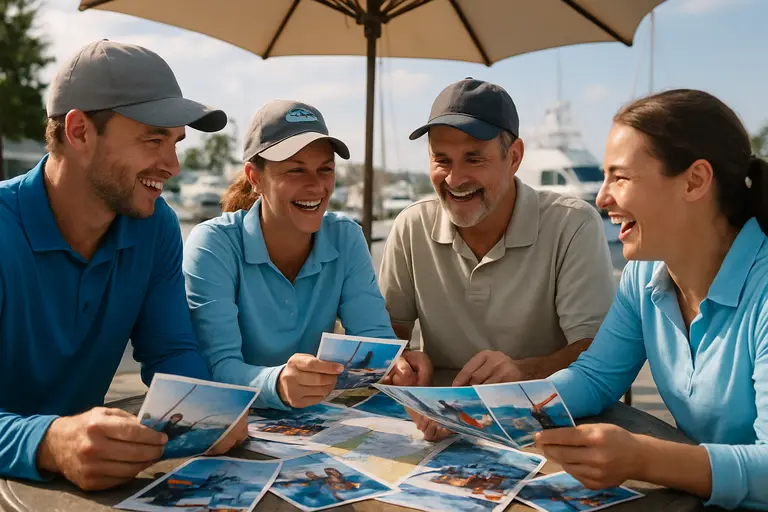
Heat-driven access changes can strain small events more than national circuits. A large tournament may have staff, media support, and alternate venues. A local benefit derby may have one ramp, one weigh-in site, and a sponsor table already paid for. That does not lower the fish-care obligation. It raises the need for clear pre-event rules.
- Set a written heat policy before registration opens.
- Use agency closure notices as the controlling standard.
- Build in shorter event windows when afternoon heat is the concern.
- Allow format changes such as photo-release where rules and species make that workable.
- Give sponsors a cancellation or postponement plan in writing.
Sponsors should be part of this planning rather than surprised by it. A marina, tackle shop, or local restaurant gains more long-term value from backing a responsible event than from pushing through poor conditions. Resource pages and local listings, including a related directory network, can assist organizers in keeping contact information and event updates readily accessible, but the decision still rests with the people running the tournament.
Record Heat Closures And Local Fishing
A Community Standard For Hot Water
The July 2026 Yellowstone actions show how quickly access can tighten when heat, low flows, and trout stress line up. NOAA’s West Coast warning shows that warm-water effects can extend beyond the river in front of us. For anglers, the practical standard is simple: check the official notice, respect the closure, and do not treat legal access as the only measure of a good decision.
For tournament committees, fishing closures should be treated like weather delays, ramp safety, or lightning. They are not outside the event plan. They are part of it. The communities that get this right will protect fish, reduce conflict with agencies, and give sponsors a clearer reason to stay involved. That is how local sport fishing keeps faith with the waters that support it.