

Finding the best affordable bass fishing rods under $100 has never been easier—but choosing the right one has become more confusing. Budget rods are dramatically better than they were a decade ago, yet many anglers still waste money by buying the wrong action, length, or power instead of the right tool for how they actually fish.
A great rod doesn’t have to be expensive. The real advantage comes from matching your rod to your techniques, not your budget. That’s why experienced anglers often recommend building a versatile setup before chasing premium gear. If you’re still putting together your tackle, our guide to Bass Lake fishing essentials provides a solid foundation for the rest of your equipment.
Why Budget Rods Have Improved So Much
Manufacturers have pushed technologies once reserved for premium rods into lower price points. Better graphite blanks, improved guide materials, and lighter reel seats now appear in rods costing well under $100.
That doesn’t mean every inexpensive rod performs equally well.
The difference between a frustrating rod and one you’ll enjoy using usually comes down to matching the specifications to your preferred lures rather than chasing marketing claims.
Sensitivity matters, but balance, durability, and casting accuracy often matter even more for everyday bass fishing.
Start With Technique Before Brand
One of the biggest buying mistakes is choosing a rod because it’s popular instead of because it fits your fishing style.
Here’s a quick comparison that makes the decision easier.
| Fishing Style | Recommended Length | Power | Action |
|---|---|---|---|
| Texas rigs & worms | 7’0″–7’3″ | Medium Heavy | Fast |
| Spinnerbaits | 6’10″–7’2″ | Medium Heavy | Moderate Fast |
| Crankbaits | 7’0″ | Medium | Moderate |
| Topwater | 6’6″–7’0″ | Medium | Fast |
| Finesse & Ned rigs | 6’8″–7’0″ | Medium Light | Fast |
For anglers buying only one rod, a 7-foot Medium Heavy Fast Action remains the most versatile option. It handles soft plastics, jigs, spinnerbaits, chatterbaits, and many topwater presentations without feeling specialized.
That versatility delivers the best overall value for most weekend anglers.
Spinning or Baitcasting?
Budget shoppers often assume baitcasters are automatically better for bass fishing.
That’s simply not true.
Spinning gear is easier to learn, handles lighter lures more effectively, and dramatically reduces frustration for beginners. Modern spinning reels also perform exceptionally well with braided line, making finesse fishing easier than ever.
Baitcasters excel once lure weights increase. Jigs, frogs, heavier Texas rigs, and flipping presentations benefit from the added control and casting efficiency.
If you’re purchasing your first complete setup under $100, a quality spinning combo is usually the smarter investment.
What Actually Separates a Good Rod From a Cheap One?
Price alone tells you very little.
Instead, pay attention to these characteristics:
- Balanced weight that doesn’t feel tip-heavy.
- Comfortable reel seat during long fishing sessions.
- Guides that are evenly aligned.
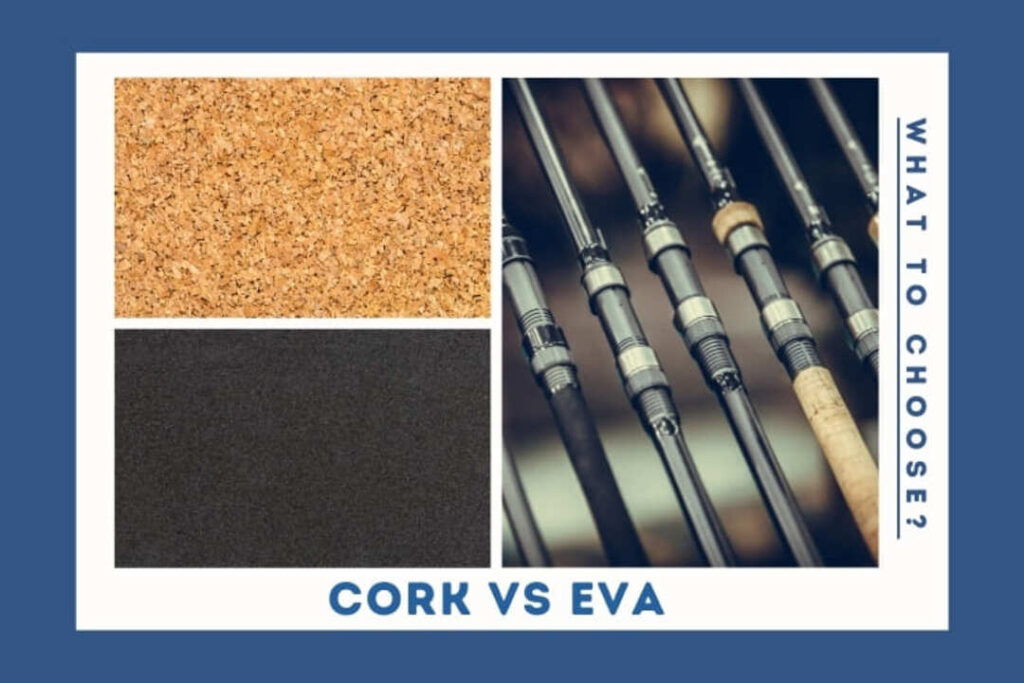
- Quality cork or EVA grips without noticeable gaps.
- A blank that recovers quickly after loading during a cast.
These details influence performance every time you fish.
Many rods under $100 now borrow design features from tournament-level equipment, but consistency still separates the better values from disappointing purchases.
Before buying, it’s also worth understanding how rod power and action are defined through the official tackle terminology published by the American Sportfishing Association, helping eliminate much of the confusion surrounding manufacturer labels.
Five Budget Rods That Consistently Earn High Marks
Several models have built strong reputations because they deliver dependable performance rather than flashy marketing.
- Daiwa Aird-X
- Shimano Sellus
- Berkley Lightning Rod
- Abu Garcia Vendetta (often found below $100 on sale)
- Lew’s Xfinity and similar entry-level models
Each offers slightly different strengths, but all provide enough sensitivity and durability for anglers who fish regularly without entering tournament-level price territory.
Rather than asking which rod is “best,” ask which rod fits the techniques you use most often.
That’s the question experienced anglers answer first.
Don’t Spend Your Entire Budget on the Rod
A common mistake is putting every dollar into the rod while neglecting the rest of the setup.
A balanced combination of rod, reel, and line consistently outperforms one expensive component paired with bargain-bin accessories.
Quality braided line paired with a fluorocarbon leader often produces a larger improvement than jumping from an $80 rod to a $180 model.
Likewise, sharp hooks and properly tuned reels frequently influence catch rates more than marginal increases in rod sensitivity.
Even basic maintenance matters. Following freshwater fishing equipment care recommendations from the U.S. Fish & Wildlife Service helps extend the life of rods, reels, and line while preventing unnecessary wear.
The Smart Buy Isn’t Always the Most Expensive
The bass fishing market constantly introduces premium graphite, exotic materials, and increasingly specialized models. Those products certainly have their place, particularly for anglers who fish several days each week.
For everyone else, diminishing returns arrive surprisingly quickly.
Today’s best affordable bass fishing rods under $100 offer performance levels that would have been considered premium not long ago. The biggest difference now isn’t whether you can afford a high-quality rod—it’s whether you choose one that matches your fishing style.
Spend thoughtfully, prioritize versatility, and leave room in your budget for quality line, dependable reels, and proven lures. Those decisions will put more bass in the boat than chasing the highest price tag ever will.