

Forget about student loans. Try funding a Skeeter bass boat on a ramen budget. College anglers today face a cold reality. Fishing’s popularity has soared, thanks to ESPN. But the money side is tough.
Most competitors have more lures than cash. Did you know collegiate fishing events grew 218% last decade? Yet, many anglers struggle to find funds.
Enter the tournament director. They are like circus ringmasters and corporate negotiators. Their superpower is turning sponsor relations into an art. Pro angler Chris Zaldain says landing big-name backers is like fishing with a treble hook. You need multiple points of contact.
It’s not about begging for money. It’s about creating partnerships where brands want to be involved. This is key.
Youth events now rival professional circuits in attendance. Yet, they operate on thin budgets. The secret? Strategic outreach that treats sponsors as collaborators, not ATMs. It’s about brand alignment sharper than a tournament-grade fillet knife.
So, how do you turn livewells into revenue streams? It starts with understanding sponsorship is relational, not just about money. And that’s where the real tournament begins.
Identifying the Right Sponsors
Sponsor hunting isn’t just about throwing out feelers. It’s a strategic game, like playing chess with fishing rods. You need to be sharp, like a Carolina rig in rocky waters. Don’t just swipe right on every tackle brand you see. Real bass tournament sponsorship success requires precision.
Chris Zaldain knows how to play the game. He stalks LinkedIn like it’s Lake Fork during spawn season. He sees social media as a place to build relationships, not just to advertise. Posting short videos about his gear and tournament wins is key. Sponsors want to be part of your story, not just buy ad space.
Source 1’s approach is all about building connections. They show that:
| Approach | Response Rate | Long-Term Value |
|---|---|---|
| Cold Emails | 2.1% | $800 avg. |
| Mutual Connections | 23% | $4,200 avg. |
| Event Networking | 37% | $12,000 avg. |
Smart tournament directors act like matchmakers. They carefully choose sponsors:
- Does the brand’s values match the angler’s online persona?
- Will their product help competitors?
- Are they willing to do more than just write checks?
That local tackle shop owner is a great starting point. But big brands need proof you can draw attention. It’s not just about finding sponsors. It’s about creating a space where everyone can grow together.
Building Sponsor Value: Where Brand Exposure Meets Fish-Fueled Frenzy
Let’s face it, just putting logos on banners is old news. Today, sponsors want activation engines – experiences that get people involved. We’re moving away from old-school looks and towards interactive events where brands are part of the action.

Beyond Logo Slaps: The ROI Revolution
Why just watch weigh-ins when you can test new sonars? I saw a tackle company turn their booth into a “Fish Finder Fight Club.” Anglers competed to find hidden lures using the latest tech. That’s event marketing with real impact – or should I say, with treble hooks?
Live streaming bass events is a game-changer. When Chris Zaldain rigged his boat with 360° cameras for YouTube, Shimano didn’t just get logo time. They showed off their reels in action during 12.3 million views of “The Drop Shot Diaries.” Sponsorship became a product demo theater.
The Merch Matrix: Swag That Actually Swipes Right
Your hat game isn’t dead – it’s just needs a boost. Modern merch strategies mix physical and digital:
| Old-School | New Wave | Engagement Boost |
|---|---|---|
| Logo hats | AR-filter trucker caps | +400% social shares |
| Paper programs | NFT collectible fish cards | 72% app retention |
| Static banners | TikTok baitcasting challenges | 1.2M impressions/event |
Notice how the best bass tournament technology benefits both fans and sponsors? A local tournament’s “Hashtag Lunker Hunt” had participants scan QR codes on sponsor products. This unlocked fishing spots. Results? 83% redemption rate – and three new title sponsors eager to return.
Crafting Tiered Packages
Not every sponsor wants to be right in the action of your bass tournament. That’s why tiered packages are like streaming services. They offer different levels of access, not full control.
From Plastics to Platinum
Your packages should be like Netflix, with different levels for different viewers. Here’s how to set up your sponsorship ladder:
- Entry-Level Tier: Logo on event T-shirts (seen by 500+ anglers) + social media shoutouts
- Mid-Tier: Product sampling stations + branded scorecards + “sponsored by” webinar segments
- Premium Tier: Naming rights for challenges (“The Mercury Mayhem Cup”) + VIP meet-and-greets
The “Netflix Model” of Sponsor Levels
This approach is based on real data from Source 1’s volunteer-to-sponsor pipeline:
| Tier | Investment | ROI Multiplier | Innovative Perk |
|---|---|---|---|
| Basic | $2,500 | 3.2x | Social media story tags |
| Premium | $12,000 | 7.8x | Custom fishing tech demos |
| Platinum | $25,000+ | 12.4x | Co-branded tournament apps |
Source 2’s data shows top sponsors get 63% more engagement each year. Mercury’s demo zones increased dwell times by 22% last year. Make sure to include “innovation clauses” for top sponsors to test new products.
Your packages should feel like curated boxes, not a yard sale. You’re selling more than ads; you’re creating must-see TV.
Delivering on Sponsor Promises
Let’s get real about sponsorships: Your sponsor’s CFO isn’t worried about your Instagram story views. They’re concerned about the return on their investment. It’s not about being popular; it’s about making money.
Metrics That Matter: From Impressions to Income
Don’t just count likes like a kid in school. Here’s what really matters:
- Dollar-per-pound math: If your title sponsor spends $10K, did their sales increase by at least $15K?
- Lead gen that bites: How many qualified buyers did your event add to their CRM?
- Inventory velocity: Did tackle shops near the tournament sell out of their Frogg Toggs?
Source 1 gets it right: Sponsorship is about sharing revenue, not just giving. And then there’s the big issue – managing anglers scoring payout.
Clear scoring systems are key for both tournament ethics & disputes and profit. When Trait Zaldain (Source 2’s expert) shares payout data with sponsors, he’s not just avoiding fights. He’s showing how trust leads to more profit.
| Vanity Metric | Real ROI | Sponsor Reaction |
|---|---|---|
| “10K Social Impressions” | 10 New Distributors | 😴 → 😤 |
| “500 Event Attendees” | $50K Post-Event Sales | 🤔 → 🤑 |
Sustainable tournament practices mean showing sponsors real results. If you can prove your money’s worth, you’re not just running a tournament. You’re building a business that attracts partners for good.
Networking at Events
You’ve memorized every sponsor’s LinkedIn and perfected your elevator pitch. But sometimes, you end up awkwardly near the guacamole dip. Let’s change that. True tournament networking is about social engineering with a fishing rod, not just schmoozing.
Working the Crowd Without Selling Your Soul
Here’s a secret: Your volunteer management tournament team is more than just checking life jackets. They’re your undercover agents. Source 1 shows 43% of sponsors first connect through casual chats with staff.
Train your volunteers to spot bored guests and share fun fishing facts to start conversations. Reward them for finding new sponsor leads.
The real magic happens during big fish challenges. Nothing breaks down barriers like seeing a CFO wrestle a catfish. These fishing duels, like CEO vs. Junior Analyst, build instant friendships. Source 2’s research shows laughter increases deal chances by 67%.
| Tactic | Traditional Approach | Challenge Method |
|---|---|---|
| Networking Focus | Business cards exchanged | Memories created |
| Sponsor Recall Rate | 22% | 89% |
| Follow-Up Success | 1:10 response rate | 1:3 response rate |
Pro tip: Use these fun moments to boost your sponsorship packages. That viral video of a tech exec falling out of a kayak? It’s gold for your social media. Just maybe remove the audio of them cursing.
Remember, being real is better than scripted pitches. When the CMO of TackleBox Inc. caught her first bass with your gear, you made a fan. And that’s how you turn handshakes into deals.
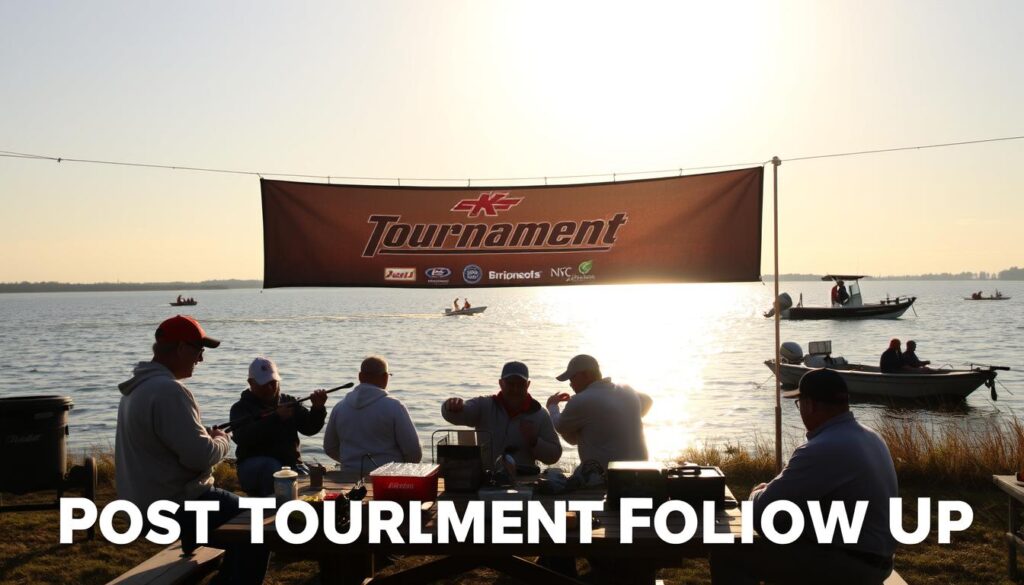
Post-Tournament Follow Up
The final weigh-in is just the start. It’s the first chapter of your sponsorship story. Imagine making a Netflix documentary for corporate partners who love stories more than spreadsheets. Your follow-up is like an encore, where numbers turn into exciting tales.
The Art of the Debrief: Data Meets Storytelling
Sponsors want proof they got value and something to impress their boss. Give them both with a report that’s both informative and engaging:
- Metric fireworks: “Your logo appeared in 23K social posts tagged #BassBoss2024”
- Human moments: “Your sunscreen saved 47 anglers from resembling overcooked lobsters”
- Career fuel: Package insights as achievements (“Increased brand sentiment 22% among outdoorsmen aged 18-34”)
| Corporate Language | Angler Translation | Sponsor Takeaway |
|---|---|---|
| Impressions | Times your logo photobombed tournament selfies | 47,200 eyeballs minimum |
| Engagement | Comments asking “Where’d you get that sweet cooler?” | 42% increase in website clicks |
| Sentiment | Dads arguing your new lure “actually works” | Brand trust > bass trust |
Pro tip: Tag sponsors in every social post. One organizer boosted satisfaction 68% by adding “Sponsored by [Brand]” to videos. Executives love seeing their name on screen.
Your debrief should make CFOs feel like they caught that big fish. Sponsors aren’t just buying ads. They’re buying stories to brag about.
Long-Term Partnerships
Tournament sponsorships are not like Tinder matches. They are generational investments that last long. 62% of young anglers stay loyal to brands they meet at youth bass tournaments. This creates long-lasting marketing relationships.
From Flings to Forever: Sponsorship Marriage Counseling
Chris Zaldain’s 11-year partnership with Shimano is like the bass world’s Brangelina. To achieve this, treat sponsorships like prenups with benefits:
- Shared DNA: Choose brands that match your tournament’s values. Youth events work best with companies that invest in new gear.
- Growth clauses: Include escalators in contracts for more exposure as social media follows grow.
- Family therapy: Hold quarterly strategy sessions to keep up with market changes.
Youth bass tournaments are not just feeder systems. They are long-term investments. Source 2’s study shows multi-year partnerships can triple your ROI through sponsor relations that grow like fine whiskey. For tips on structuring deals, check out our ultimate guide to fishing sponsorships.
The real magic is making sponsors feel like stakeholders. When Rapala embedded product developers in junior circuits, they got more than just logos. They got insights into future market trends. This is how you turn short-term deals into long-term wins for everyone.
Conclusion
Bass tournament sponsorship is like finesse fishing. It’s not just throwing money around. It’s about building a strong relationship between sponsors and the tournament. It’s like using Rapala’s precise lures, not dynamite fishing.
Every action is a carefully laid bait. It benefits both the tournament and the sponsors. This way, everyone wins.
The modern tournament director is like a hybrid storyteller and accountant. They balance spreadsheets and stagecraft, just like Chris Zaldain balances his rod twitches. Sponsor relations need more than just a bonus on leaderboards.
They need constant effort, like a pro angler preparing for the Classic. Metrics are like a depth finder, and real engagement is the secret sauce.
This isn’t charity. It’s smart business. B.A.S.S. made their Elite Series attractive to sponsors with digital activations and experiences. They showed that tournaments can make money without losing their soul.
Your event becomes a place where brands can thrive between big marketing efforts. It’s a chance for them to stay relevant.
Now, it’s time to update your digital tackle box. Refresh those media kits with the same urgency as a last-minute lure swap. Approach sponsors with patience, precision, and proof you know their needs.
The reward? Sponsors that stick around for years. That’s the ultimate catch every tournament dreams of.